
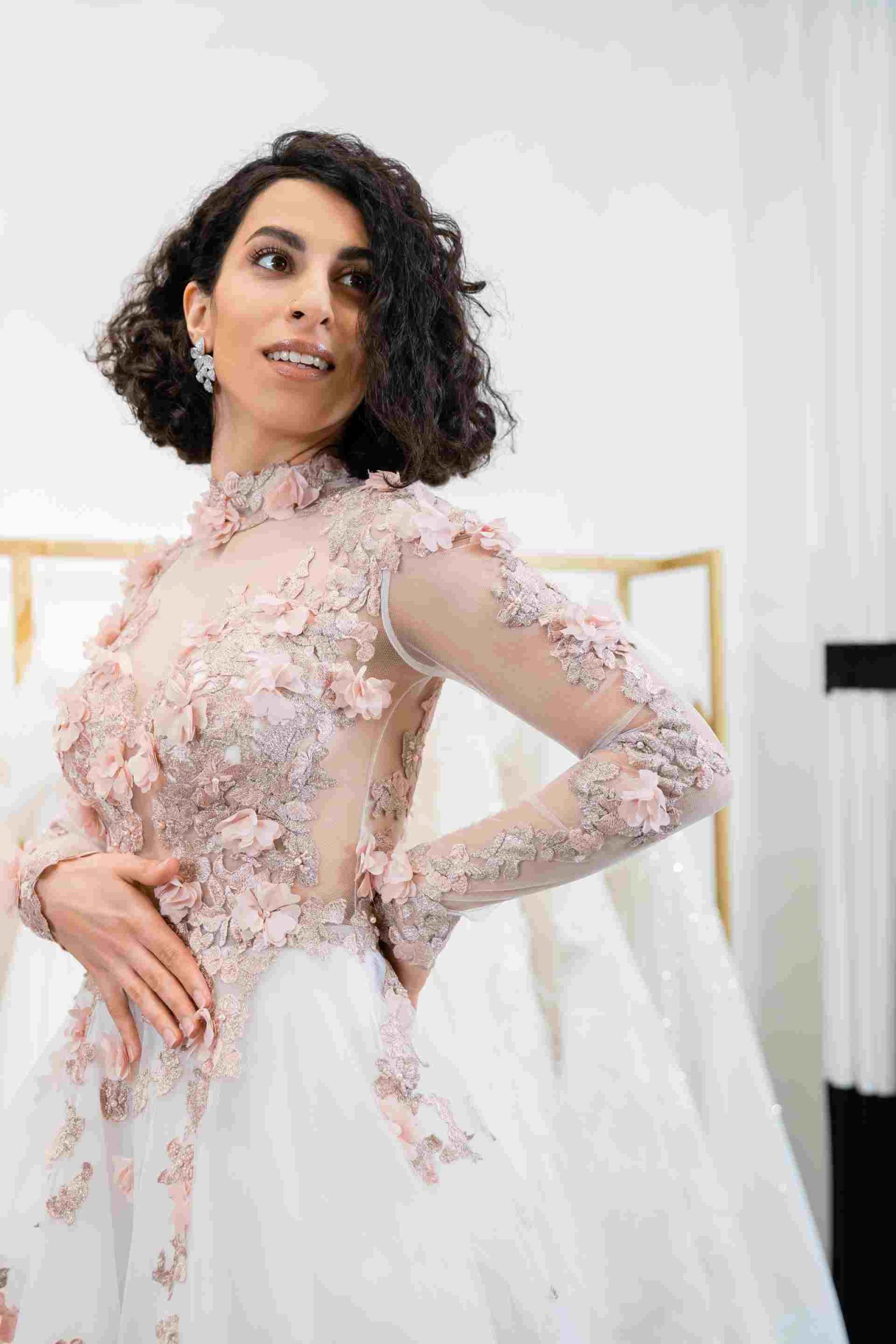
Lehengas are still a part of weddings and festivals but the way people wear them has changed. In 2026 people want lehengas that’re easy to wear, comfortable and can be worn many times.
Women like lehengas that’re not too heavy can be styled in different ways and feel good all day. A good lehenga is not about how heavy it’s but about how all the parts. The skirt, blouse and dupatta. Work together.

Understanding the Three-Part Lehenga Structure
Understanding the Lehenga Structure. A lehenga has three parts:
* Skirt. This is the main part of the lehenga and it decides how the whole thing moves
* Blouse. This adds shape to the outfit
* Dupatta. This finishes the look and adds some layers
The key to making a lehenga look good is balance. If one part is heavy the other parts should be simple. When all parts are heavy the whole thing can be much.

How to Choose the Right Lehenga Skirt
Choosing the Right Lehenga Skirt
The skirt is the important part of the lehenga so the fabric and weight are important. In 2026 people like lehengas with fabric and nicer embroidery. Lehengas that are not too heavy are easier to wear. Heavy lehengas can look good but they can be uncomfortable. A lehenga that is balanced and allows you to move is better. Neutral colors, pastel colors and earthy tones are popular for daytime events. Traditional colors like red and maroon are still used for weddings. People use lighter fabric now.

Blouse Styling for a Modern Lehenga Look
Blouse Styling: The Most Versatile Element
The blouse is an important part of the lehenga. In 2026 blouses are designed to be simple, comfortable and versatile. Of heavy designs people like blouses that can be worn with other things, like sarees or skirts. A good blouse should fit well. Be comfortable.

Styling the Dupatta Simply
Dupatta Styling: Keep It Controlled
The dupatta can make or break the lehenga. People like dupatta styles now. Of heavy dupattas people like:
* Simple drapes
* Light dupattas over one shoulder
* pleating
The idea is to keep the dupatta in place without having to adjust it all the time. Light dupattas are easier to wear and do not add weight.

Balancing the Outfit
The important thing in lehenga styling is balance:
* If the skirt is heavy keep the blouse and dupatta simple
* If the blouse is detailed keep the rest simple
* If the dupatta is elaborate simplify the parts
This way the outfit looks nice, not too much.

Lehenga Styling for Different Occasions
Styling for Different Occasions
Lehengas are not just for weddings anymore. They can be styled differently for events:
* Wedding Functions: richer fabrics and nicer embroidery
* Festive Gatherings: lighter lehengas and simple blouses
* Evening Events: structured silhouettes and subtle colors
This makes lehengas more practical. You do not need many outfits.

Indo-Western Lehenga Combinations
Indo-Western Lehenga Styling
One of the trends in 2026 is combining lehengas with modern things. For example:
* Wearing a skirt with a simple top
* Styling the blouse with trousers or sarees
* Using dupattas or no dupattas
This makes the outfit more versatile and you can wear it more often.

Fabric & Comfort Considerations
The fabric of the lehenga is very important. People like fabrics that’re light and allow movement. Outfits that are comfortable for hours are better than those that look good but are uncomfortable.
Common Mistakes to Avoid
One of the common mistakes is choosing very heavy lehengas. They may look good. They can be uncomfortable. Another mistake is over-styling. Much embroidery, bold colors and many accessories can make the outfit look too much. Not paying attention to fit is also a mistake. Even a designed lehenga can look bad if the blouse or skirt does not fit well.

Final Thought
Lehenga styling in 2026 is about being easy and balanced. It is, about choosing outfits that’re comfortable look good and can be worn many times.
The best lehengas are not the elaborate but the ones that allow you to move and enjoy the event without any problems. When the styling is simple and thoughtful the lehenga becomes a part of your wardrobe.

| Aspect | Do | Don’t |
| Skirt choice | Choose lighter lehengas with balanced volume | Wear extremely heavy or bulky skirts |
| Blouse | Opt for structured, versatile blouses | Choose overly heavy or uncomfortable blouses |
| Dupatta | Keep draping simple and manageable | Over-layer or use heavy dupattas |
| Outfit balance | Balance heavy and light elements in the outfit | Make all elements equally heavy |
| Fabric | Prefer lightweight fabrics for comfort | Use heavy fabrics for long events |
| Styling approach | Keep styling clean and controlled | Over-style with too many elements |
| Reusability | Choose pieces that can be styled differently | Buy outfits that can only be worn once |
| Indo-Western styling | Use fusion styling thoughtfully | Mix styles without balance |
| Fit | Ensure proper fit for blouse and skirt | Ignore fit and compromise comfort |
| Practicality | Choose outfits that allow easy movement | Wear restrictive or difficult-to-manage outfits |

FAQs
- What type of lehenga is trending in 2026?
Lighter lehengas with embroidery and good silhouettes are trending now.
- How can I make a lehenga more comfortable?
* Choose fabrics for your lehengas.
- Can lehengas be reused?
* Make sure they fit well.
- How should I drape a dupatta with a lehenga?
* Keep the styling simple.
- Are heavy lehengas still in fashion?
You can wear blouses and skirts with outfits many times.
- Can I style lehengas in a modern way?
The way the lehenga drapess important; keep it simple and easy to handle. Avoid many layers.
- What colors are trending for lehengas?
Lehengas are still worn at weddings. People are now liking lighter options too.
- How do I avoid over-styling a lehenga?
Western combinations with simple styling look modern.
