

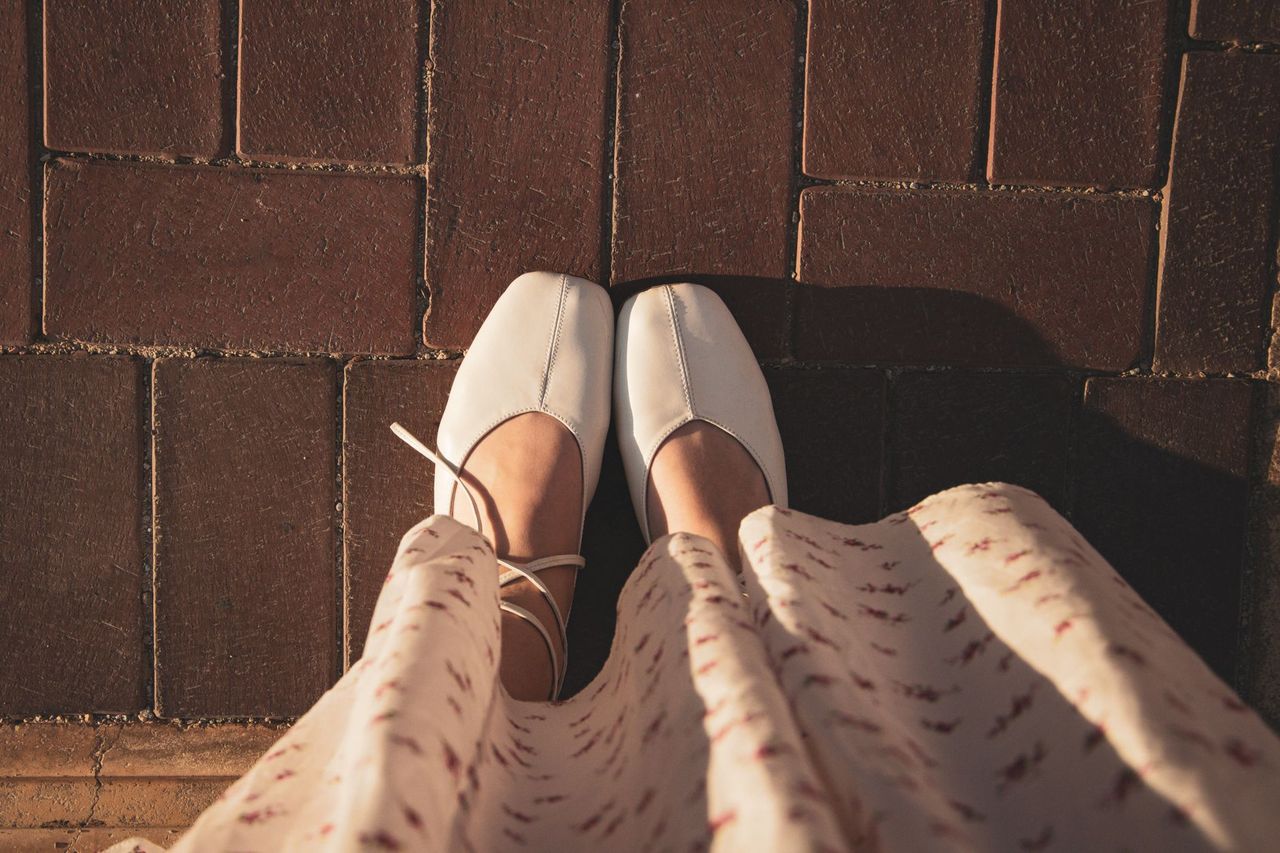
The ballet flat came back around 2022 in its purest and least practical form. A paper thin sole, a low vamp, a shape that looked beautiful in a photograph and offered almost nothing between the wearer and the pavement. Several years and a great many complaints later, the shape has been redesigned rather than retired.
The autumn 2026 version has a sole. Sometimes a rubber one, sometimes a small stacked heel, occasionally something closer to a lug. It is the same silhouette solving the problem that made people give up on it.
What actually changed
Four modifications, appearing in different combinations across the market.
A thicker rubber outsole
Usually four to eight millimetres rather than the two millimetres of the original revival. Enough to absorb impact and grip a wet pavement without altering the shape from above.
A small block or stacked heel
Between fifteen and thirty millimetres. It reads as flat from a distance but changes the angle of the foot enough to reduce strain considerably.
A higher vamp
The upper covers slightly more of the foot, which does two things. It stops the shoe slipping off at the heel and it lengthens the leg line, which the very low cut versions never did.
Structured heel counters
The back of the shoe now holds its shape rather than collapsing after a fortnight, which was the single most common complaint about the earlier wave.
Why the flat sole version hurt
Worth understanding, because it explains what to look for now.
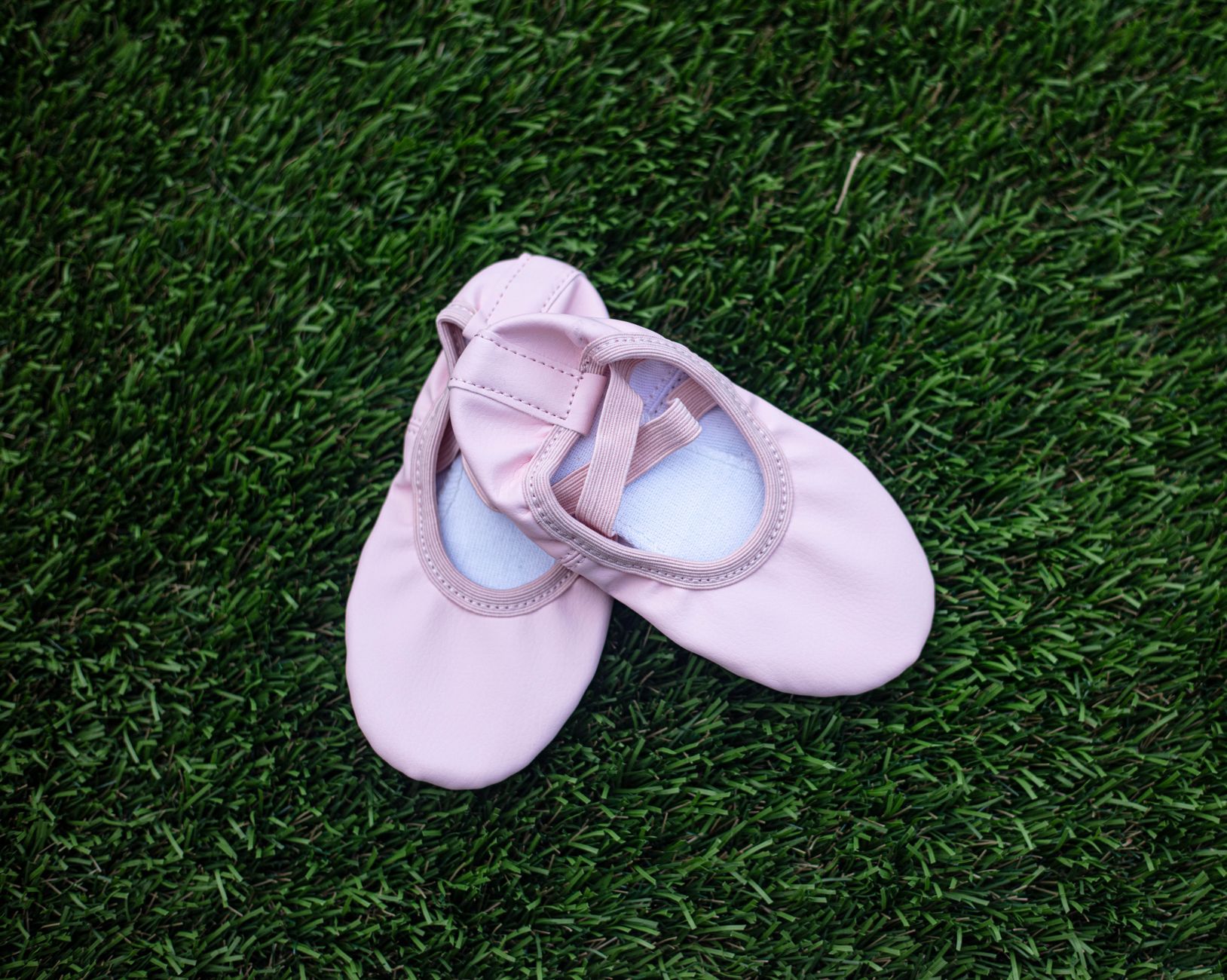
A completely flat shoe with no cushioning transmits impact directly through the heel and the arch. For anyone walking on hard pavement for more than a short distance, that produces genuine strain, particularly through the arch and the achilles. The original ballet flat was designed as a soft shoe for a soft floor, and the revival applied it to city walking.
The current generation does not solve this entirely, but a small heel and a cushioned rubber sole make a substantial difference. If you have arch pain or have been advised to avoid unsupportive shoes, look specifically for versions with removable insoles, since that allows you to fit an orthotic without ruining the line.
The shapes worth buying this autumn
| Style | Best for | What to check | Approximate price |
|---|---|---|---|
| Mesh ballet flat with rubber sole | Transitional weather and the current mood | Mesh recovery, since cheap mesh loses shape at the toe | 60 to 250 USD |
| Suede flat with a stacked mini heel | Autumn, and the brown palette | Suede nap quality and whether the heel tip is replaceable | 100 to 400 USD |
| Leather Mary Jane with a lug sole | Rain, commuting, long days | Strap placement, which should sit at the narrowest part of the instep | 120 to 450 USD |
| Square toe flat with a padded footbed | Anyone who stands a lot | Removable insole, toe box width | 80 to 300 USD |
| Slingback flat | Dressing up without heels | Whether the sling holds, since this is where cheap versions fail | 90 to 400 USD |
The mesh version is the one that has dominated the last two summers and continues into autumn in darker colours and heavier weaves. It is also the version most likely to date, so buy it at the lower end of the range.
How to wear them without shortening the leg
This is the practical complaint about flats and it is largely a matter of geometry rather than height.
Match the shoe to the sock or the skin
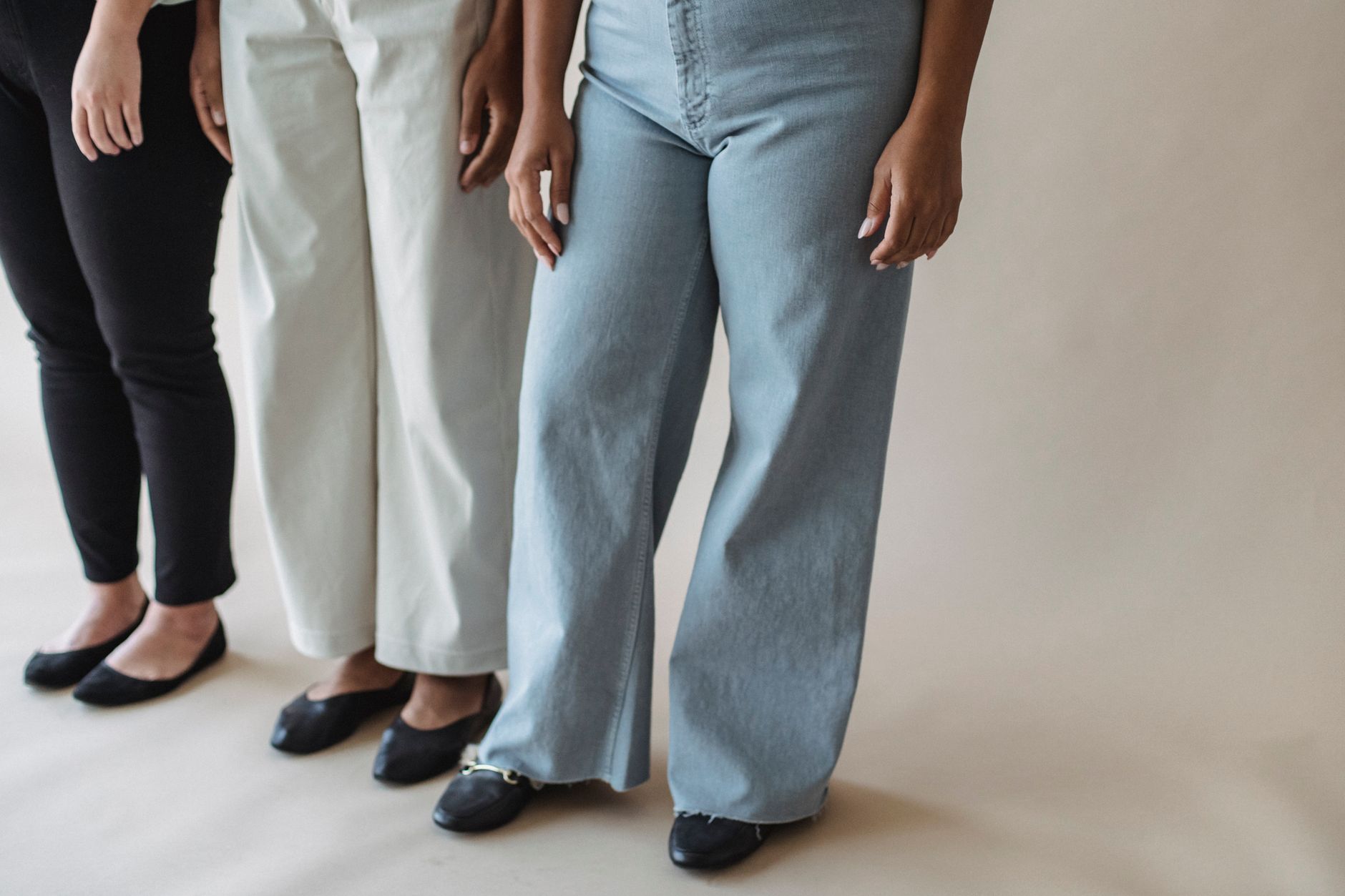
A flat in the same tone as whatever is above it creates an unbroken line. A dark shoe with a bare ankle and a light hem creates a hard stop at the ankle, which visually shortens.
Watch the hem break
Trousers should end at or just above the top of the shoe rather than pooling over it. A puddling hem over a flat is what makes the whole outfit read as heavy.
Choose a higher vamp with a wider trouser and a lower vamp with a narrow one
The vamp and the trouser width need to be in proportion, or one will overwhelm the other.
Sheer or tonal socks work, thick contrasting socks rarely do
The exception is a deliberately chunky sock with a lug soled Mary Jane, which is a complete and different look rather than an accident.
Care, because flats die faster than any other shoe
The failure points are predictable. The heel counter collapses, the sole wears through at the ball of the foot, and the lining tears at the heel.
Rotate them. Wearing the same pair daily halves their life because the foam and leather never fully dry between wears.
Have a thin protective sole added at a cobbler when new, for around twenty dollars. It doubles the life of the outsole on a flat and is the single best value repair in footwear.
Use a heel grip from the start rather than after the lining has torn.
Frequently asked questions
Are ballet flats still in style for autumn 2026?
Yes, in the updated form with a substantial sole, a higher vamp or a small heel. The completely flat paper thin version has receded, though it has not disappeared.
Are ballet flats bad for your feet?
Entirely unsupported flats can cause strain for people who walk long distances on hard surfaces, particularly through the arch. Versions with cushioned rubber soles, a small heel or a removable insole are considerably better. Anyone with existing foot pain should speak to a podiatrist rather than take styling advice on it.
What is the difference between a ballet flat and a Mary Jane?
A Mary Jane has a strap across the instep. Structurally they are close relatives, and the strap versions tend to stay on the foot better, which is why they dominate the practical end of the category.
Do mesh flats work in autumn?
In dry weather, yes, particularly in black, chocolate and burgundy with a heavier weave and worn with a fine sock. In genuine rain they are a poor choice, since mesh soaks immediately.
How should ballet flats fit?
Snug but not tight, with no gap at the heel and no pressure at the widest part of the foot. Leather versions stretch slightly and mesh versions stretch considerably, so buy mesh on the snug side and leather true to size.
The Velvet verdict
This is a rare example of a trend improving on its second pass rather than simply repeating. The shape was always good. What it lacked was a sole you could actually walk on, and now that exists, there is very little reason to keep the punishing original version in rotation.