

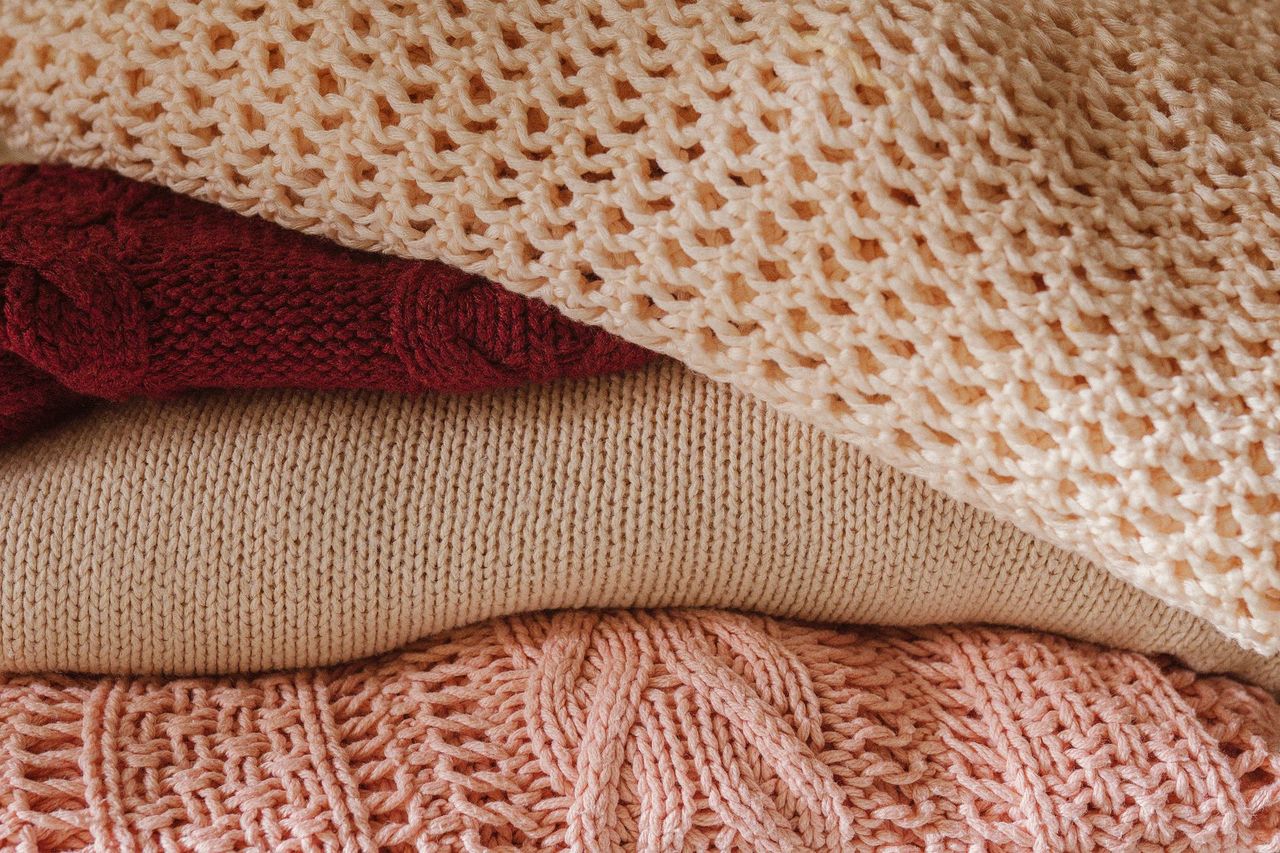
The cashmere conversation shifted somewhere around 2020. The old assumption that any cashmere under £300 was dubious has quietly fallen apart, partly because direct-to-consumer brands like Quince and Naadam have cut out the retail markup, and partly because fast-fashion has upped its game. The result is a range of credible cashmere between £35 and £120 that would have been considered impossible a decade ago. The question now is which pieces earn their place in the wardrobe and which read lovely on day one and tragic by week six.
We tested four crew-neck jumpers across six weeks of normal wear. That means commuting, dinners, home sofa, one dog walk in light rain. Each piece was hand-washed twice during the test window using Woolite. The findings below reflect pilling, shape retention, warmth, and the one variable most reviews ignore: how the knit feels against the skin after the fourth wear.
The Four Pieces, And How They Compare
Quince's Mongolian Cashmere Crew Jumper (£60, two-ply, Grade A Mongolian cashmere, 180gsm) is the direct-to-consumer upstart. The brand sources from the same Mongolian factories that supply several heritage labels and prices accordingly. The jumper feels dense in the hand, has visible structure in the knit, and reads surprisingly expensive on wear.
Naadam's Original Cashmere Sweater (£120, two-ply, Grade A Mongolian cashmere, 190gsm) sits at the top of this bracket. The brand's cashmere is sourced directly from Mongolian herders in the Gobi region. The knit is tighter and the yarn slightly longer-staple than the Quince, which affects pilling and softness. It costs twice as much and the differences are visible under close inspection, if not necessarily under a coat on the Northern line.
Uniqlo's 100% Cashmere Crew (£79, two-ply, Inner Mongolian cashmere, 160gsm) is the one most British women will have encountered. The brand drops the cashmere range in September each year and sells through quickly. The quality has crept up over the past three seasons. The 2026 version uses a slightly denser knit than previous years and feels more substantial.
Mango's Cashmere Crew (£79, two-ply, 150gsm) is the fast-fashion entry and the one most sceptics expect to fail. The surprising finding: it doesn't quite fail. The yarn is thinner, the knit looser, and the hand-feel is noticeably less luxe than the three above, but as a cashmere piece it meets the minimum credible bar.
Weight, Ply and What Actually Matters
Ply is the number of yarn strands twisted together to make the knitting yarn. Two-ply is the minimum for a credible cashmere piece. Single-ply cashmere exists but is almost always a lightweight t-shirt-style garment, not a jumper. All four pieces in this test are two-ply.
Weight is where the pieces diverge. The Naadam at 190gsm is the heaviest, which is why it feels most substantial. The Quince at 180gsm is close behind. The Uniqlo at 160gsm is noticeably lighter. The Mango at 150gsm is the lightest, which is why it reads less substantial despite being nominally the same ply as the others.
The practical point: weight translates directly to warmth and shape retention. A heavier cashmere piece holds its shape across a day of wear. A lighter cashmere piece stretches at the elbows and necks by mid-afternoon and needs steaming to recover.
The contrarian note: lighter cashmere is actually better for layering under blazers and coats, because the heavier knits bulk out under tailored outerwear. If you're buying a cashmere piece to wear under a wool coat for your commute, the Uniqlo weight is actually more useful than the Naadam weight. The right cashmere depends on what you're wearing it under.

Pilling: The Honest Six-Week Report
Pilling is the fuzz-ball formation that happens when short fibres work loose and tangle on the fabric surface. Cashmere pills more than wool because the fibres are shorter and finer. Longer-staple cashmere pills less because the fibres can't work loose as easily.
The Naadam showed the least pilling after six weeks. A few small fibres under the arms and at the waist where it rubs against trouser waistbands. Overall still looked new. The Quince showed moderate pilling at the usual friction points: underarms, waist, inside of forearms where a bag strap rests. Nothing that a cashmere comb couldn't manage in ten minutes.
The Uniqlo pilled more noticeably by week four, specifically at the forearms and across the front where a seat belt would sit. Not catastrophic, but visible. A cashmere comb removed most of it. The Mango pilled significantly by week three, and the pilling was harder to remove because the yarn had already loosened at the knit structure. By week six the Mango had the slightly tired look of a jumper on its second or third winter rather than its first.
Washing, And Why Dry-Cleaning Is a Trap
Dry-cleaning cashmere is a false solution. The chemicals strip the natural oils from the fibre, which is why dry-cleaned cashmere feels drier and pills more over time. Hand-washing with a gentle wool detergent is both cheaper and better for the garment.
We hand-washed each piece twice during the six-week test. The Naadam and Quince came out of both washes looking identical to pre-wash. The Uniqlo lost a slight amount of structure after the second wash, specifically at the ribbed hem. The Mango felted very slightly, which happens when the fibres tangle under agitation, and the hand-feel moved from soft to slightly matted.
The practical tip: wash in cold water with Woolite or a specialist cashmere shampoo. Press (don't wring) excess water out. Lay flat on a towel to dry, reshaping gently with your hands. Never hang cashmere to dry because the weight stretches the shoulders.
The wry observation: more cashmere is destroyed by well-meaning washing than by neglect. The three cardinal errors are agitating in the wash, wringing out water, and hanging to dry. Avoid all three and your £60 Quince will outlast a £300 heritage-brand piece washed badly.
Hand-Feel and the Softness Question
Softness is partially a function of cashmere grade and partially a function of finishing. Both Naadam and Quince use Grade A long-staple cashmere, which is the highest grade commercially available. The Uniqlo uses what's typically Grade A or Grade B depending on the production year, and the current 2026 batch feels closer to Grade A than previous years.
The Mango is less transparent about grade and the hand-feel suggests Grade B or lower. The yarn is slightly scratchier against the neck, particularly on the second and third wears before the washing has softened it. Not uncomfortable, but noticeable if you've worn the Naadam immediately beforehand.
The finishing step matters. Both Naadam and Quince appear to use a water-based softening treatment that doesn't wash out. The Uniqlo gets softer with washing but starts slightly stiffer. The Mango stays about the same across washes, which suggests less finishing work.
Shape and Fit: The Thirty-Something Reality
The cashmere crew of 2016 was a slim fit with a close neckline that read either prep-school or desperate. The 2026 cashmere crew sits looser, with a slightly dropped shoulder and a wider ribbed hem. All four pieces in this test follow the current silhouette, though Naadam's version is the sharpest cut and Mango's is the most oversized.
For women over thirty-five, the slightly looser fit is almost always more flattering. The dropped shoulder softens the horizontal line at the collarbone, the wider ribbed hem skims rather than clings, and the overall silhouette reads sophisticated rather than ingénue. The Mango oversized version works if you're layering over a longer shirt tail or a slim trouser. On its own with denim it can read oversized-for-the-sake-of-it rather than considered.
Price per Wear Over a Decade
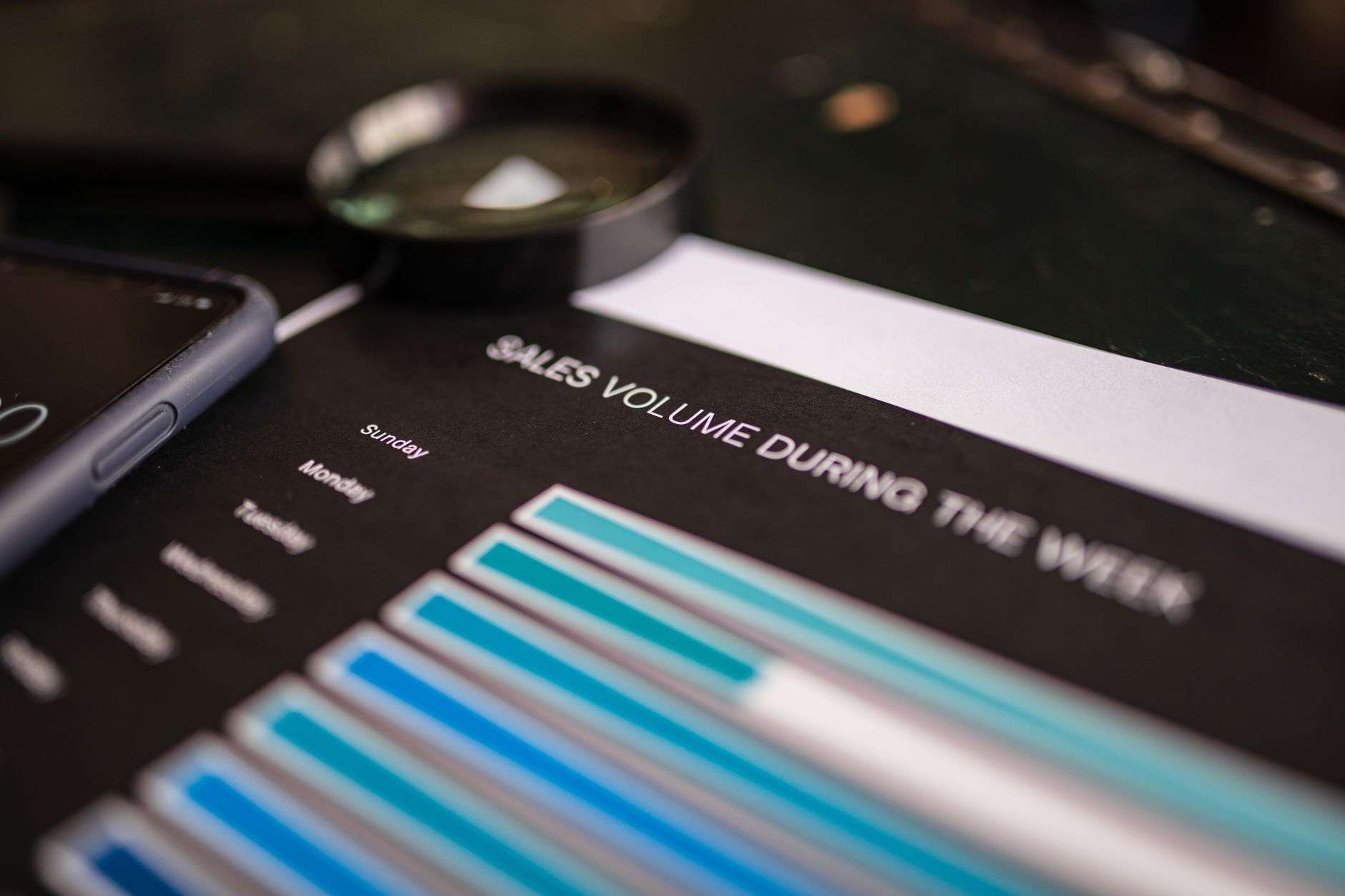
A cashmere crew worn twice a week through autumn and winter is a piece worn roughly sixty times a year. With proper care, a well-made cashmere piece lasts eight to ten winters. The Naadam at £120, worn for ten winters at sixty wears a year, works out to 20p per wear. The Quince at £60 under the same assumptions is 10p per wear. The Uniqlo at £79, lasting six winters realistically, is 22p per wear. The Mango at £79, lasting three winters before it needs replacing, is 44p per wear.
The surprise is that the Mango is actually the most expensive per wear in this group, not the cheapest. The yarn quality is the limiting factor; the piece won't survive ten winters because the fibre composition isn't designed for it. The Quince is the clear value winner.
| Piece | Brand | Price | GSM | Pilling Score |
|---|---|---|---|---|
| Mongolian Cashmere Crew | Quince | £60 | 180 | Moderate, removable |
| Original Cashmere Sweater | Naadam | £120 | 190 | Minimal |
| 100% Cashmere Crew | Uniqlo | £79 | 160 | Moderate, visible by week 4 |
| Cashmere Crew | Mango | £79 | 150 | Significant by week 3 |
Do's and Don'ts
| Do | Don't |
|---|---|
| Hand-wash in cold water with wool detergent | Dry-clean cashmere |
| Press (don't wring) water out | Twist or wring the garment |
| Lay flat to dry on a towel | Hang cashmere to dry |
| Store folded with cedar balls | Hang on wire hangers |
| Use a cashmere comb for pilling | Pick at pills with your fingers |
| Air before washing between wears | Wash after every wear |
| Choose heavier weight for cold days | Buy the lightest ply for warmth |
| Invest in a cashmere comb (£12) | Replace the jumper when it pills |
| Rotate at least two pieces | Wear the same piece daily for a season |
| Steam gently to refresh shape | Iron directly on cashmere |

Frequently Asked Questions
Is Quince cashmere actually good
Yes. The brand sources Grade A Mongolian cashmere from factories that supply other recognised labels, cuts out the retail markup, and sells direct. The result is credible cashmere at genuinely accessible pricing. The construction and softness match pieces at twice the price.
Why does Uniqlo cashmere sell out every year
Supply is deliberately limited and the price-to-quality ratio is strong, which creates seasonal urgency. The 2026 version is the best quality the brand has released in three years. Buy early in the autumn drop; by mid-November the useful sizes have gone.
What's the difference between Mongolian and Inner Mongolian cashmere
Both are high-grade cashmere from the goats that produce the undercoat used in fine cashmere. Mongolian typically refers to cashmere from Mongolia proper. Inner Mongolian refers to cashmere from the autonomous region in northern China. Grades vary within both regions. The specific herd and the time of year of combing matter more than the geographic label.
How often should I wash cashmere
Every four to six wears, unless you've spilled something or sweated through it. Cashmere benefits from airing between wears rather than washing. Hang the piece on a chair or over a door for an evening after wearing to refresh.
Can I put cashmere in the washing machine
Technically yes, on a cold hand-wash cycle in a mesh bag, if your machine has a genuine wool programme. The honest answer is that hand-washing takes ten minutes and extends the life of the garment significantly. The time saved by machine-washing isn't worth the shape loss.
What's a cashmere comb and do I need one
A cashmere comb is a small tool with a fine-toothed metal edge that lifts pills off the fabric without damaging the knit. It costs about £12 and keeps cashmere looking new for years. If you own cashmere, buy a comb.
Will the Naadam at £120 last meaningfully longer than the Quince at £60
Yes, measurably. The longer-staple fibres pill less, the tighter knit holds shape better, and the overall piece will look sharper at year five. Whether that difference is worth the extra £60 depends on your rotation and care habits.
Is Mango cashmere worth buying at all
As a short-term piece for someone trying the trend, yes. As an investment piece for someone planning to wear it across many winters, no. The yarn composition limits its lifespan to roughly three winters, after which the shape is gone and the hand-feel has deteriorated.