

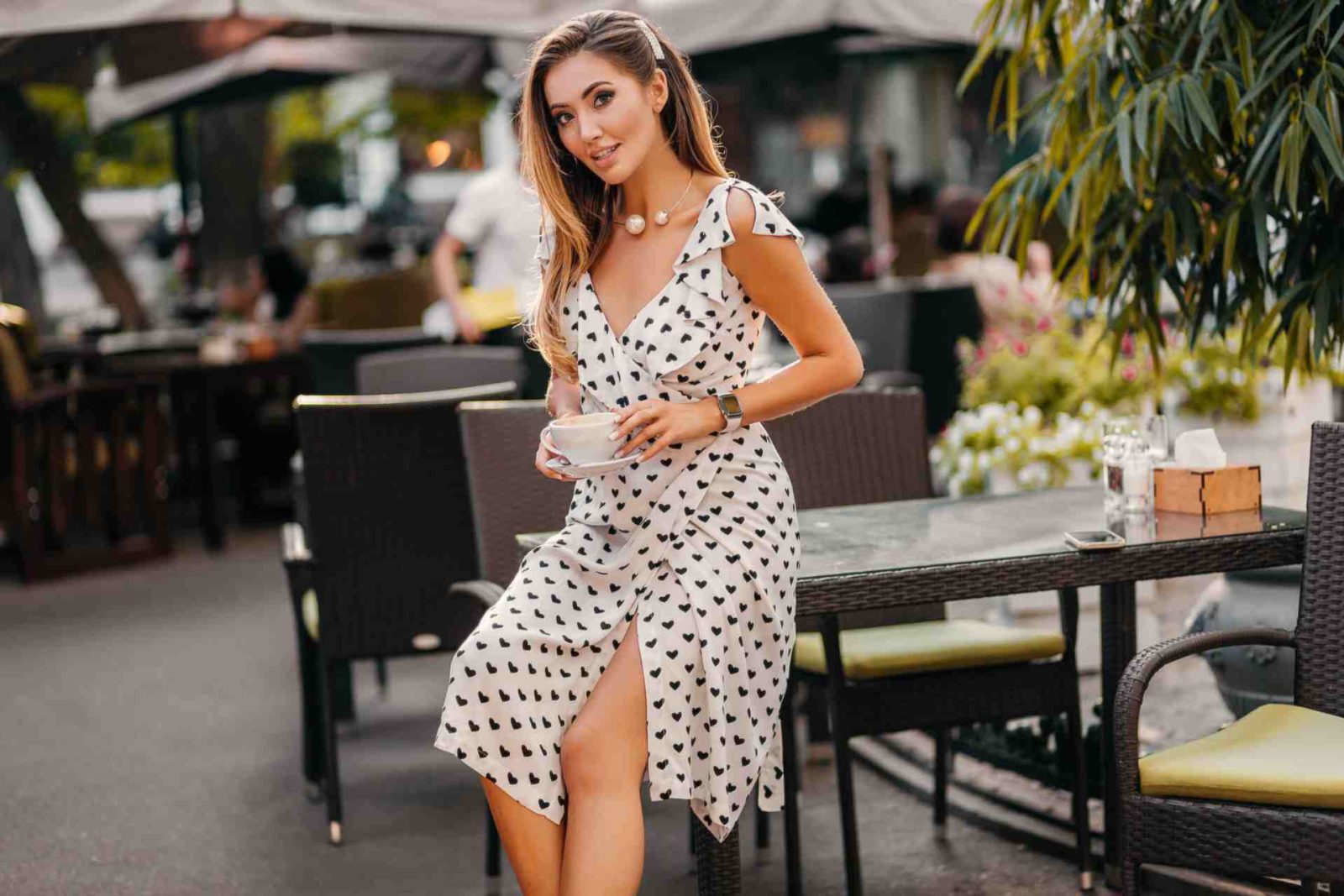
Why Dresses Are a Smart Wardrobe Investment
Dresses are still one of the wardrobe choices because they combine ease, structure and versatility in one piece. In 2026 it’s not about owning dresses but about picking a few that can work for casual, party and formal events with minimal changes.

The main difference between these categories is not in the design. In the fabric, fit and styling. When you understand these choosing the dress becomes easy.
Casual Dresses for Everyday Wear
### Casual Dresses: Everyday Comfort with Clean Styling

Dresses are for daily wear. Like going out doing errands, traveling or relaxed work environments. The focus is on comfort and ease of movement.
Some popular casual styles are:
T shirt dresses are simple, relaxed, and easy to wear. Shirt dresses are a bit more structured but still comfortable, and A line dresses have a balanced fit that allows movement.
In 2026 casual dresses are moving towards breathable fabrics and minimal detailing. Cotton, linen blends and soft materials are preferred because they keep you comfortable all day. The styling is simple. Casual dresses usually require effort. Comfortable footwear and light layering (if needed) are enough. Over styling often reduces their practicality. A good casual dress can be worn times without feeling repetitive especially when paired with different layers or footwear.
Party Dress Styles That Look Refined
### Party Dresses: Structured Yet Comfortable

Party dresses are designed to look a bit more refined than outfits while still being wearable for several hours. The shift in 2026 is towards more manageable party wear.
Some common party dress styles are:
Body skimming dresses (not overly tight, but structured) are a strong choice. Midi dresses with clean silhouettes work well too, and wrap dresses offer flexibility and comfort.
Fabric plays a big role here. Materials that hold shape without feeling work best. The dress should allow movement for long events. Modern party dressing avoids detailing. Of heavy embellishments the focus is on fit and clean finishing. This makes the outfit look polished without feeling overdone. Party dresses can often be reused by adjusting styling. Changing footwear or adding a layer can make the same dress suitable for different occasions.
Formal Dresses for Office and Professional Events
### Formal Dresses: Clean, Structured & Professional

Formal dresses are typically worn in office environments, formal meetings or professional events. The key requirement here is structure and consistency.
Some common formal dress styles are:
Sheath dresses offer straight silhouettes, shirt dresses with structure work well for the office, and minimal midi dresses are suitable for most work settings.
The design should remain simple. Excessive patterns, bright colors or heavy detailing can make the outfit feel less appropriate for environments.
Neutral tones like black, navy, beige and muted shades dominate this category because they create an consistent appearance.
Formal dresses often benefit from layering like a blazer to add structure when needed.
How to Choose the Right Dress for Any Occasion
### How to Choose the Right Dress

of categorizing dresses strictly it’s more useful to evaluate them based on three factors:
1. Fabric
For casual dresses, look for breathable and soft fabrics. For party dresses, aim for structured but comfortable materials. For formal dresses, choose fabrics that feel clean and stable.
2. Fit
The fit should allow movement, should not require constant adjustment, and should maintain its shape through the day.
3. Versatility
Ask yourself whether the dress can be styled differently, and whether it can work across more than one setting.
A dress that performs well on these parameters is more valuable than one designed for an occasion.
### How to Style Dresses Across Occasions
A major trend in 2026 is reusing dresses across categories:
A casual dress can be dressed up with layering, a party dress can be toned down for smaller gatherings, and a formal dress can transition to evening wear with a few adjustments.
This reduces the need for separate wardrobes and increases practicality.
### Common Mistakes to Avoid
One of the common mistakes is choosing dresses that are uncomfortable. Well designed dresses become impractical if they restrict movement or require constant adjustment.
Another mistake is over styling. Adding many elements. Layers, accessories or bold details. Can reduce the effectiveness of the outfit.
Buying dresses that can only be worn once is also inefficient. Versatility should be a consideration.
### Final Thought
Dresses in 2026 are about functionality, with structure. They are no longer limited to occasions but are being styled across multiple settings. The best dresses are the ones that feel easy to wear require effort and can be used in different ways. When chosen thoughtfully a few dresses can replace outfits.. That is what makes them essential. Not variety, but versatility.
| Aspect | Do | Don’t |
| Fabric | Choose breathable or structured fabrics based on occasion | Wear heavy or uncomfortable materials |
| Fit | Ensure the dress allows movement and feels comfortable | Choose overly tight or shapeless dresses |
| Versatility | Pick dresses that can be styled across occasions | Buy dresses for one time use only |
| Casual styling | Keep it simple and practical | Over style casual dresses |
| Party styling | Focus on clean silhouettes and comfort | Choose heavy or restrictive designs |
| Formal styling | Stick to structured and minimal designs | Use loud colors or excessive patterns |
| Layering | Use light layers to adapt dresses for different settings | Add bulky or heavy layers |
| Color selection | Use neutral or balanced tones for flexibility | Choose clashing or overly bright colors |
| Practicality | Build a small, versatile dress collection | Accumulate too many single use dresses |
| Comfort | Prioritize ease of wear for long durations | Ignore comfort for appearance |
FAQs
What type of dresses are best for everyday wear?
T shirt dresses, shirt dresses, and A line dresses are all comfortable everyday options.
What defines a party dress in 2026?
A party dress in 2026 is structured yet comfortable enough that you could wear it for several hours without adjustment.
What are formal dresses for women?
Formal dresses are structured, minimal, and professional pieces suitable for office settings, formal meetings, and professional events.
Can one dress be used for multiple occasions?
Yes. Structured dresses that are also comfortable are a versatile choice.
What fabrics are best for dresses?
The best dresses use fabrics that hold clean lines and do not need a lot of extra styling to look complete.
How do I make a dress look more formal?
Layer with a structured piece like a blazer, keep the palette neutral, and choose designs that are clean and simple.
Should I buy many dresses?
No. A few versatile dresses with clean designs that look professional will do more work than a large collection.
What is the most important factor in choosing a dress?
Versatility. You can wear the same dress in different situations if you change a few small things about how you style it.