

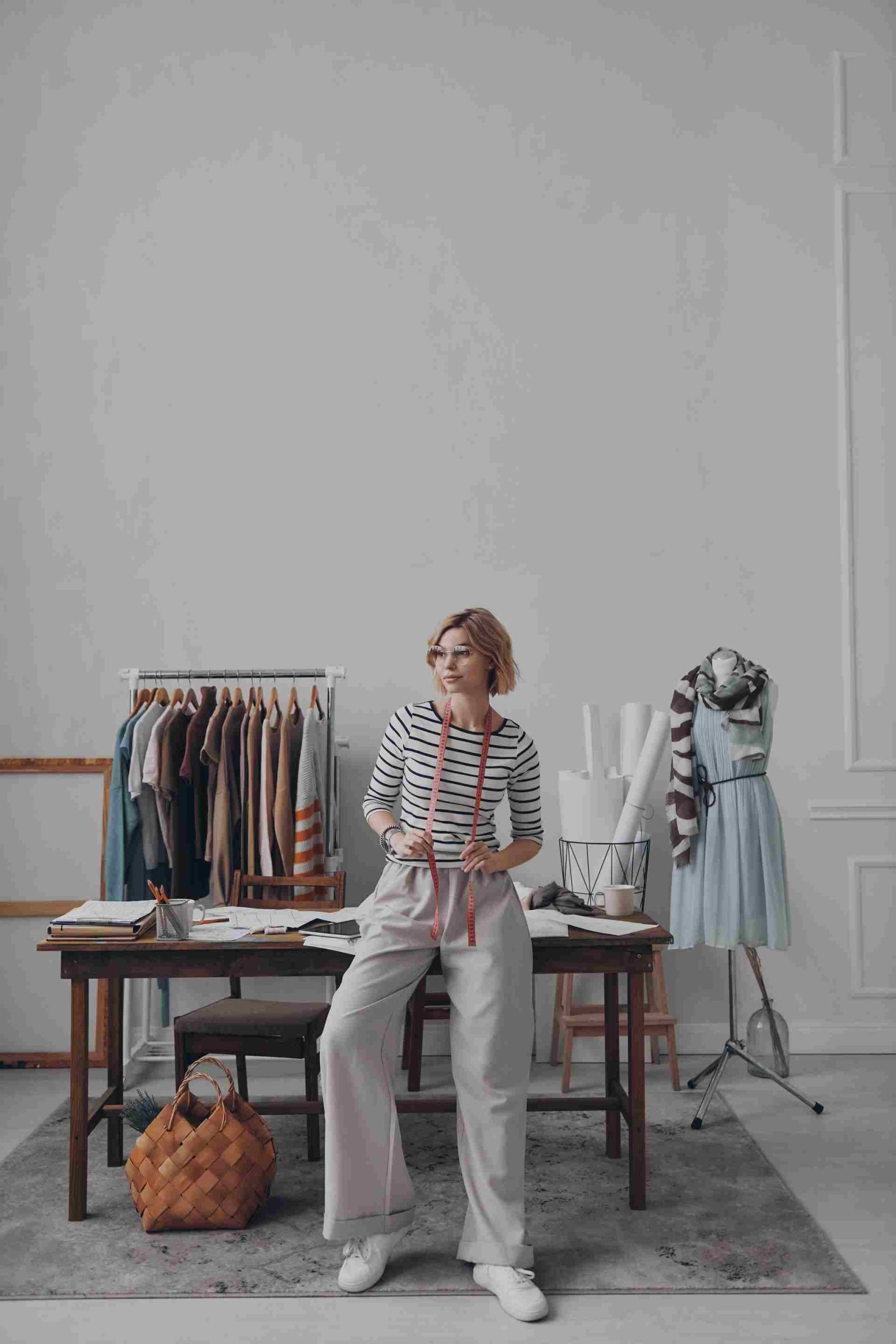
Styling an outfit is often misunderstood as adding elements. More layers, more accessories, more variation.. Good styling is actually about editing, balancing and refining what you already have. In 2026 women are moving towards outfits with minimal accessories that enhance the look not dominate it. The goal is make your outfit look intentional without making it complicated.
Start with a Strong Base Outfit
Start with a Strong Base Outfit

Every styled look begins with a base that works on its own. This could be jeans with a top, a dress or a co ord set. If your base outfit doesn’t look balanced by itself no accessories will fix it. A strong base outfit should:
well
Feel comfortable
Have proportions
When these elements are in place styling becomes much easier.
Why Fit Must Come Before Accessories
Focus on Fit Before Adding Anything

Fit is the important part of styling. Clothes that fit well on your body look more refined. If an outfit feels off check:
Shoulder alignment
Length of the top or dress
Fit of the bottoms
Small adjustments, like tucking in a top or adjusting sleeves can make a difference.
Keeping Accessories Minimal and Functional
Keep Accessories Minimal and Functional

Accessories should complement your outfit not compete with it. Of layering multiple pieces choose one or two subtle elements that align with your outfits tone. Minimal accessories help maintain an modern appearance. Over accessorizing often makes the outfit feel heavy and less cohesive.
Balance Proportions
Proportion makes an outfit look visually balanced. If your top is loose your bottom should be more structured. If your outfit is fitted layering can add dimension. Ignoring proportion is a common reason outfits feel unpolished.
Using Layering to Add Structure Without Clutter
Use Layering to Add Structure

Layering is more effective than accessorizing. A light layer, like a blazer or jacket can add depth improve structure and make your outfit suitable for settings. Keep layers lightweight and aligned with your base outfit.
Sticking to a Cohesive Color Palette
Stick to a Cohesive Color Palette

Color coordination plays a role in styling. Neutral tones are easier to combine and similar color families create a look. Avoid mixing many unrelated colors as this can disrupt the balance of your outfit.
Adjusting Your Styling Based on the Occasion
Adjust Styling Based on Occasion

The outfit can be styled differently depending on where you’re going. For a setting go for minimal styling and a relaxed look. For a -formal setting add structure through layering. For an evening setting use deeper tones or refined elements. This approach lets you reuse outfits without needing clothes.
Small Details That Define a Well Styled Outfit
Pay Attention to Small Details

Styling is often defined by details rather than major changes. Tucked or untucked tops, proper sleeve length and clean footwear influence how polished your outfit looks.
Avoid Over Styling
A common mistake is adding many elements in an attempt to improve your outfit. Many accessories, layers or contrasting elements reduce clarity and make your outfit look less intentional.
Build Repeatable Styling Habits
The effective styling approach is one you can repeat daily. Use a few combinations make small adjustments when needed and avoid overthinking. Consistency leads to results than constantly changing styles.
Common Mistakes to Avoid
Relying on accessories to fix outfits. Your base outfit should always be strong
Ignoring fit and proportion. Reduces impact
Over accessorizing. Makes your outfit look cluttered
Mixing many styles or colors. Creates imbalance
Final Thought
Styling is not about adding more. Its about refining what you already have. In 2026 the effective outfits are simple, balanced and easy to carry. Minimal accessories and thoughtful adjustments create a look that feels natural and polished. When your outfit works on its own styling becomes effortless.. That’s the essence of modern fashion. Clarity, over complexity.
| Aspect | Do | Don’t |
| Base outfit | Start with a well fitted, balanced outfit | Try to fix a poor outfit with accessories |
| Fit | Ensure proper fit and comfort | Ignore fit and proportions |
| Accessories | Use minimal, subtle accessories | Over accessorize with multiple elements |
| Proportion | Balance fitted and relaxed pieces | Pair loose with loose without structure |
| Layering | Add light layers for depth and structure | Use heavy or unnecessary layers |
| Color selection | Stick to cohesive color combinations | Mix too many unrelated colors |
| Occasion styling | Adjust outfit based on setting | Use the same styling everywhere |
| Details | Focus on small adjustments (tuck, sleeves) | Ignore finishing details |
| Simplicity | Keep the look clean and intentional | Overcomplicate styling |
| Practicality | Build repeatable styling habits | Overthink every outfit |
FAQs
How can I make any outfit look stylish?
Focus on how things fit and make sure everything is balanced. You do not need a lot of extra pieces.
Are accessories necessary for styling?
Not always. Sometimes it is better to keep things simple and not wear a lot of accessories.
What is the most important part of styling?
The fit and proportion of what you are wearing are really the most important things.
How do I avoid over styling?
Try not to wear too many accessories and keep your outfit simple.
Can layering replace accessories?
Yes. Layering is a way to add structure to what you are wearing, and it is often better than piling on accessories.
What colors work best for styling?
If you stick to colors that all go together, it is a lot easier to put an outfit together.
How do I style outfits for different occasions?
If something is not quite right, try small adjustments such as changing the way you have things layered, rather than completely changing what you are wearing.
What is the biggest styling mistake?
Trying to fix an outfit by adding lots of things to it. That usually makes it look worse, so keep it simple and focus on fit, balance, and minimal styling.