


Every season has a material that quietly does more work than the others. This autumn it is suede, and the reason is not complicated. Suede is the only fabric that photographs as expensive under bad lighting, which in an era where most clothes are seen on a phone screen before they are seen in person is an enormous commercial advantage.
It also happens to sit perfectly inside the brown palette that has taken over the season. Suede in chocolate, in almond, in a soft rust, is doing the job that leather did five years ago, but softer and considerably more forgiving on the body.
Why suede reads as luxury
Three things are happening at once when you look at a good suede garment.
The nap catches light unevenly, which creates depth that flat fabrics cannot produce. That depth is the visual signal most people read as expensive without being able to explain why.
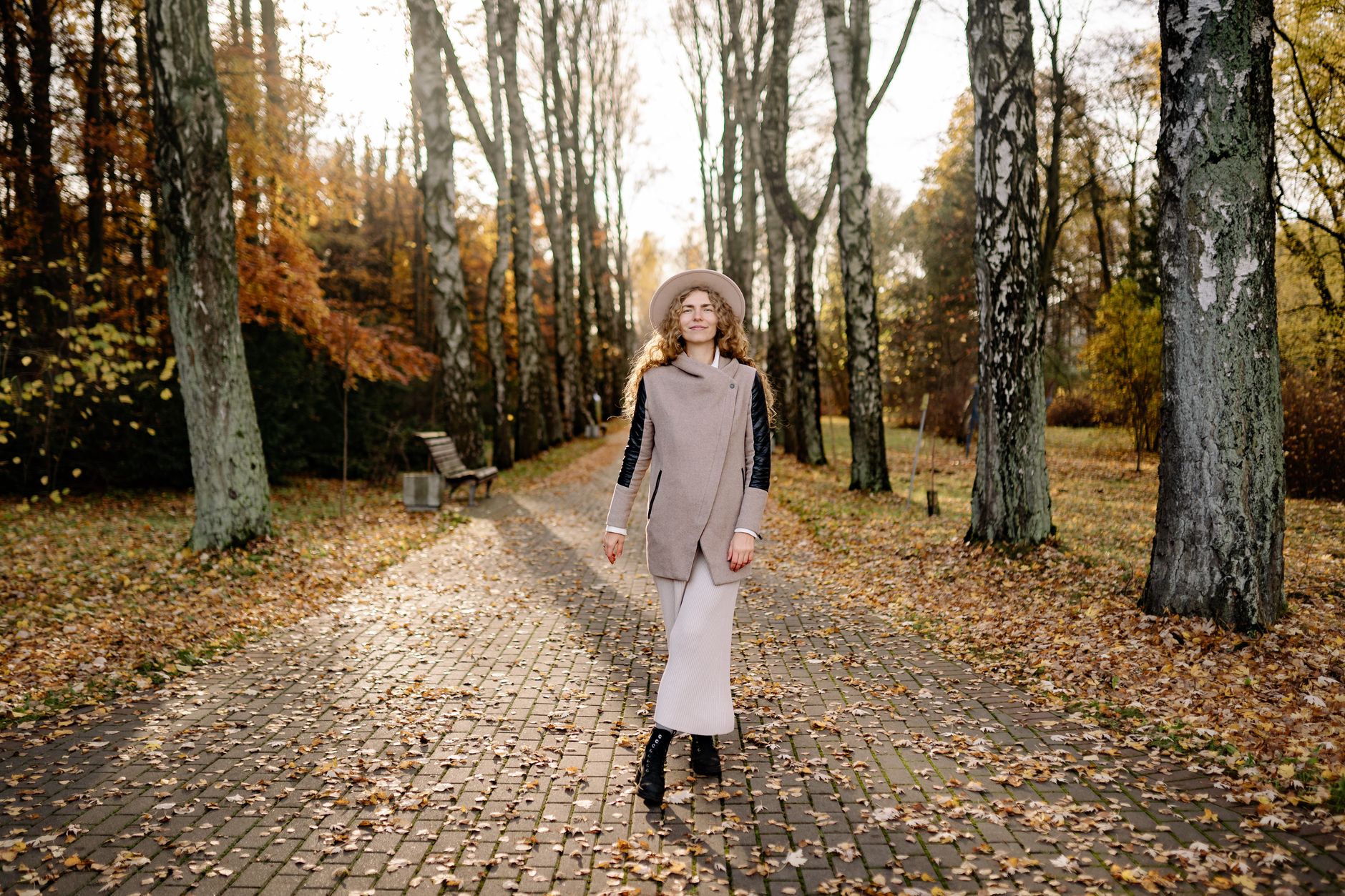
Suede drapes rather than holds. Where leather creates structure, suede falls, which means a suede jacket sits on the body more like knitwear than like outerwear. That softness is what has made it dominate this particular season, when the broader silhouette across the runways has moved toward ease.
And suede ages visibly. A three year old suede jacket looks better than a new one, provided it has been cared for. Very few materials in a modern wardrobe do that, and the ones that do tend to be the ones that hold value.
What to buy, and in what order
If you are building rather than replacing, the order matters. Here is the sequence most stylists would recommend.
Start with a bag
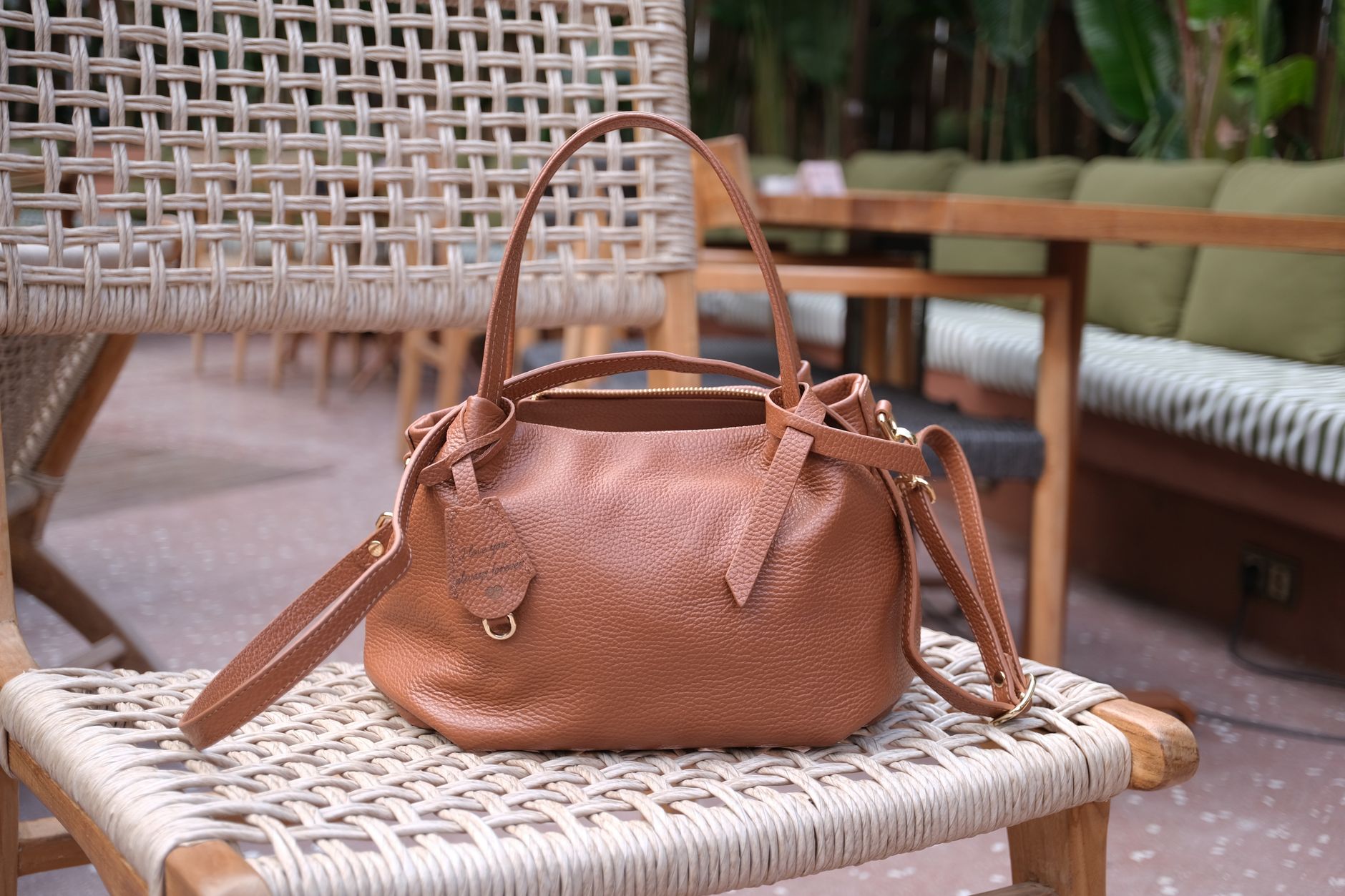
Suede accessories carry the material's texture without the fit risk of a garment, and a suede shoulder bag in chocolate is the single most useful piece in this trend. It also survives rain far better than people assume, provided it has been sprayed.
Then a boot or a loafer
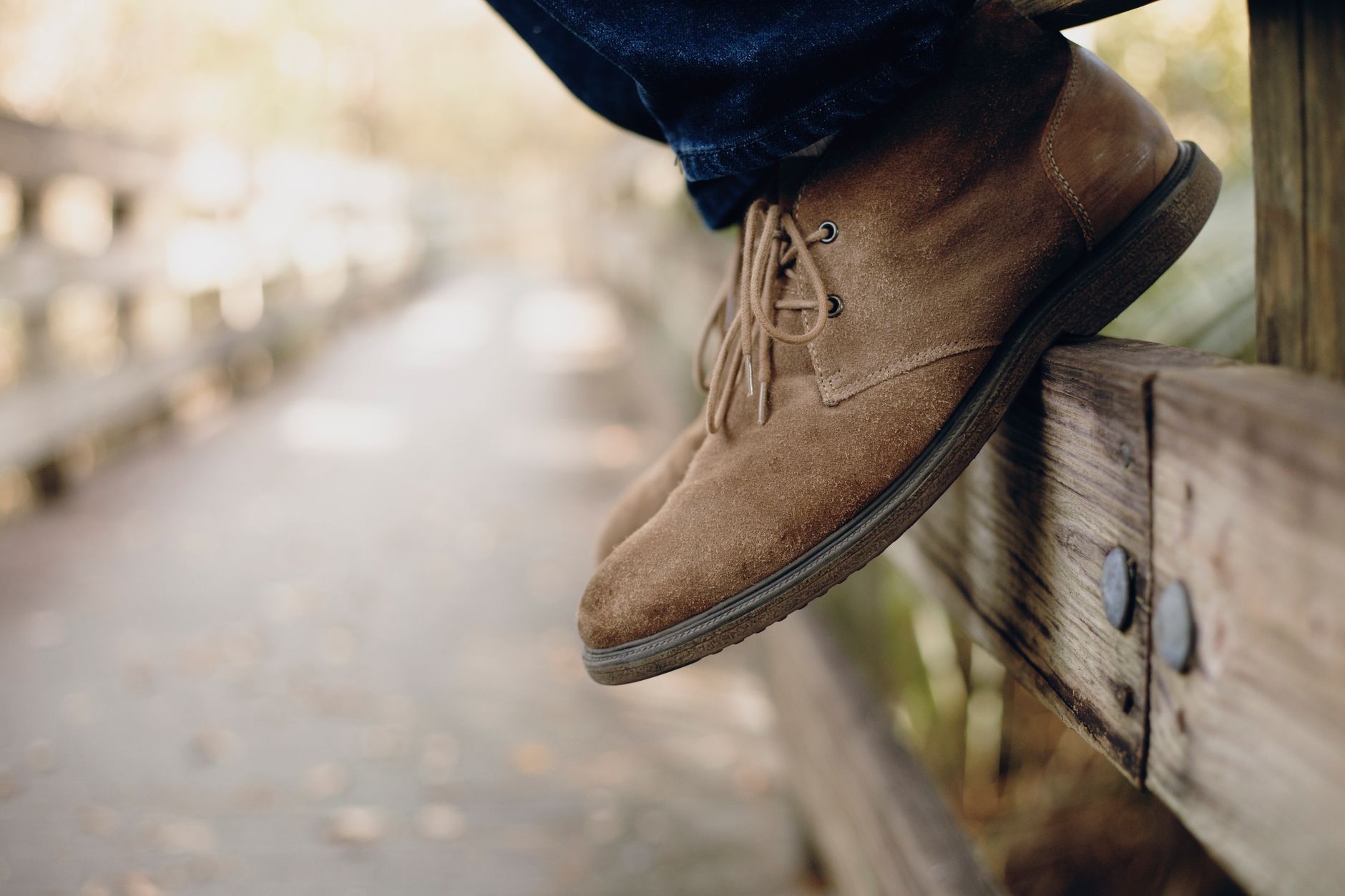
Suede footwear is where the price gap between luxury and high street is most visible, because the difference lies in the sole construction rather than the upper.
Then a jacket
This is the biggest commitment and the one where fit matters most. A suede jacket that does not fit at the shoulder cannot be rescued by a tailor in the way a wool one can.
Skirts and trousers last
They are the most trend dependent items in the category and the most difficult to wear across seasons.
The price ladder
| Piece | Entry level | Mid market | Luxury |
|---|---|---|---|
| Suede jacket | Mango suede effect jacket, around 150 USD | Massimo Dutti split suede jacket, around 400 USD | The Row or Toteme suede jacket, 3,000 USD and up |
| Suede ankle boot | Zara suede boot, around 90 USD | Arket or Vagabond suede boot, around 220 USD | Toteme or Khaite suede boot, 900 USD and up |
| Suede loafer | Mango suede loafer, around 80 USD | Massimo Dutti suede loafer, around 200 USD | Loro Piana Summer Walk, 900 USD and up |
| Suede shoulder bag | Zara suede bag, around 70 USD | Polène or Massimo Dutti, 250 to 400 USD | The Row or Bottega Veneta, 2,000 USD and up |
| Suede skirt | H&M suede effect skirt, around 60 USD | Arket suede skirt, around 300 USD | Khaite suede skirt, 2,000 USD and up |
Two things worth flagging in that table. Anything described as suede effect or split suede is not the same product as full grain suede, and the difference shows within a season. Split suede is the underside of the hide, which is genuine but thinner and quicker to flatten. Suede effect is usually polyester and will never develop the nap that makes the material worth buying.
The second point is that the loafer row is the most interesting one commercially. The Loro Piana Summer Walk has generated an entire category of imitation at every price level, and the mid market versions have become genuinely good, because the shape is simple and the construction is not technically demanding.
Colour choices that will still work in 2029
Chocolate is the safest and the most useful, because it functions as a neutral and hides marks. Almond and bone are the most fashionable this season and the most fragile, particularly in footwear. Rust and cognac sit between the two and photograph beautifully in autumn light. Black suede is underrated and works in exactly the environments where black leather looks too hard.
Avoid the seasonal colours in suede specifically. A green suede jacket is a very expensive way to date an outfit, and suede is difficult to sell on.
Caring for it properly
Most people ruin suede in the first month, and it is almost always for the same three reasons.
They do not protect it before the first wear. A protector spray applied before the garment leaves the house is the single most valuable four minutes you will spend on it.
They brush it wet. Suede should dry completely at room temperature, away from direct heat, before a brush touches it. Brushing wet nap flattens it permanently.
They store it folded. Suede holds creases far longer than leather does. Hang jackets on a broad shoulder hanger and stuff bags lightly so the panels keep their shape.
Water marks, contrary to popular belief, are usually recoverable. Let the piece dry fully, then brush the nap in one direction with a suede brush. Oil marks are the ones that need a professional.
Frequently asked questions
Can you wear suede in the rain?
Light rain is survivable on protected suede and will usually dry without a mark. Heavy rain is not worth the risk, particularly in pale colours. If a suede piece does get soaked, blot it, never rub it, and let it dry away from radiators.
What is the difference between suede and nubuck?
Nubuck is sanded from the outer surface of the hide and suede is made from the inner layer. Nubuck is more durable and slightly less soft, which is why it appears more often in footwear that has to survive weather. If you want one suede item that will last, buying it in nubuck is a sensible cheat.
Is suede effect ever worth buying?
For a single season piece in a trend colour, sometimes. For anything you plan to keep, no. Synthetic suede does not develop nap, it pills at the friction points, and it looks noticeably flat next to the real thing in daylight.
How much should I expect to pay for a suede jacket that lasts?
In the mid market, between three and five hundred dollars gets you real split or full grain suede with reasonable construction. Below two hundred you are almost always buying either synthetic or a very thin split. Above a thousand you are paying for hide quality, cut and finishing rather than for durability alone.
Does suede work for spring and summer too?
Increasingly yes, particularly in footwear and bags in pale colours. The heavy suede outerwear is genuinely seasonal, but a bone suede loafer works from March through October.
The Velvet verdict
Suede is the rare trend material that rewards buying well rather than buying often. One properly made suede piece in chocolate or cognac will outlast four synthetic versions and look better every year, which makes it one of the few things on this season's list that qualifies as an actual investment rather than a purchase.