


Sheer dressing had a very specific reputation for most of the last decade. It belonged to red carpets, to after parties, and to the sort of street style photograph taken outside a Paris show at eight in the morning by someone who had clearly not slept. It was not something you wore to a Tuesday meeting.
That has changed, and it changed faster than most trends do. Transparent layering has moved from spectacle to technique, and the reason is simple. Once you treat sheer fabric as a layer rather than as a garment, it stops being about exposure and starts being about texture. That is a distinction the runway made first and the high street has now caught up with.
What actually changed
The shift came from proportion. The early version of this trend put a sheer dress over underwear and called it an outfit. The current version puts a sheer layer over something substantial, or under something substantial, so that the transparency reads as a detail rather than the point.
Three specific techniques are doing most of the work this season.
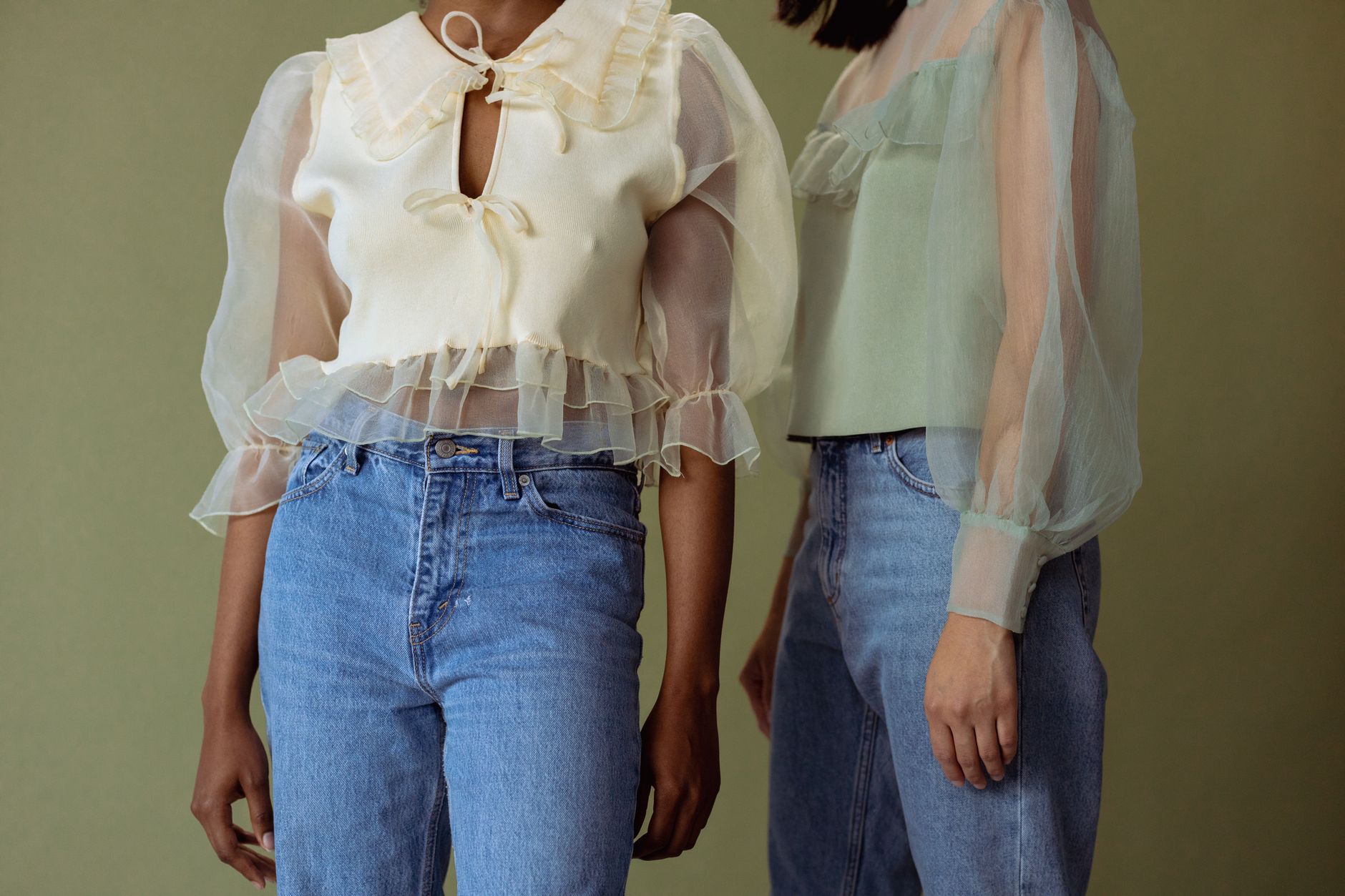
The first is the sheer layer worn underneath. A fine mesh or organza top under a knitted vest, a slip dress or a pinafore. The sleeves and the neckline show, the body does not. This is the version that works in almost every workplace.
The second is the sheer layer worn over. A long organza shirt or a chiffon overlay worn open over a plain top and trousers, functioning exactly as a light jacket would. It adds movement to an outfit that would otherwise be flat.
The third is what the runway calls the shadow skirt, meaning a transparent skirt over an opaque slip, cut to the same length or slightly longer. The transparency is visible in movement and almost invisible when standing still, which is precisely the point.
The rules editors actually follow
Ask anyone who dresses professionally for a living and the same principles come up.
One sheer element per outfit
A sheer top with a sheer skirt reads as a costume. A sheer top with heavy wool trousers reads as an outfit.
Weight beats coverage
A heavy fabric next to the sheer one is what makes the combination look intentional. Chiffon with denim, organza with wool, mesh with leather. Sheer next to something equally light looks unfinished.
The undergarment is part of the outfit, not hidden by it
This is the single biggest difference between the version that works and the version that does not. A matched slip, a good camisole or a bandeau in the same tone as the sheer layer is what converts transparency into design.
Colour matters more than you expect
Black mesh is the most forgiving and the most severe. Cream and almond mesh read as soft and considered. A sheer layer in a colour that contrasts sharply with what is underneath will draw the eye to exactly the place you were trying not to draw it.
Dressing it for real workplaces
The honest answer is that this depends entirely on where you work, and anyone who tells you otherwise has never sat in a compliance meeting. Here is a practical grading.
| Workplace | What works | What to avoid | Safest single piece |
|---|---|---|---|
| Creative or agency | Sheer overlay shirt, shadow skirt, mesh sleeves on show | Nothing much, this is the natural home of the trend | Long organza shirt worn open |
| Corporate and client facing | Sheer sleeves under a knit vest or blazer, sheer detail at the cuff or collar | Anything transparent across the torso | Mesh long sleeve top under a tailored waistcoat |
| Law, finance, government | Sheer only as a textural detail, for example a chiffon blouse fully lined | Overlays, shadow skirts, visible undergarments | Lined chiffon blouse in a solid colour |
| Client dinners and evening work events | Shadow skirt with an opaque slip, sheer sleeve dress | Anything you cannot sit down in comfortably | Sheer sleeve midi dress with a solid body |
The pattern across all four rows is the same. The further you move toward conservative environments, the more the sheer element migrates to the extremities, meaning sleeves, collars and hems, and away from the torso.
Where to buy it
The high street has become genuinely good at this, largely because mesh and organza are inexpensive to produce and forgiving to cut. The luxury versions win on fabric behaviour rather than on design.
| Piece | Luxury option | Approximate price | High street match | Approximate price |
|---|---|---|---|---|
| Mesh long sleeve top | Alaïa knit mesh top | 900 USD and up | COS sheer knit top | 60 USD |
| Organza overlay shirt | Toteme silk organza shirt | 600 USD and up | Zara organza shirt | 50 USD |
| Sheer sleeve knit dress | Khaite fine knit dress | 1,200 USD and up | Mango sheer sleeve knit dress | 90 USD |
| Shadow skirt | Prada layered chiffon skirt | 2,000 USD and up | Massimo Dutti chiffon layered skirt | 130 USD |
| Matching slip | Skims or Wolford slip | 100 to 300 USD | Uniqlo AIRism slip | 30 USD |
Prices shift between markets and seasons, so use these as a reference point rather than a fixed figure. The slip row is the one worth spending on. A poorly fitted slip under a beautiful sheer layer ruins the whole outfit, while a good one makes a fifty dollar mesh top look considered.
The autumn 2026 version specifically
What separates this season from previous ones is the fabric weight. Autumn sheer is heavier. Think knitted mesh rather than chiffon, organza with body rather than gauze, and a great deal of black lace treated as structure rather than as decoration. Several houses have leaned on lace as a structural material this year rather than as trim, and the effect has filtered down quickly.
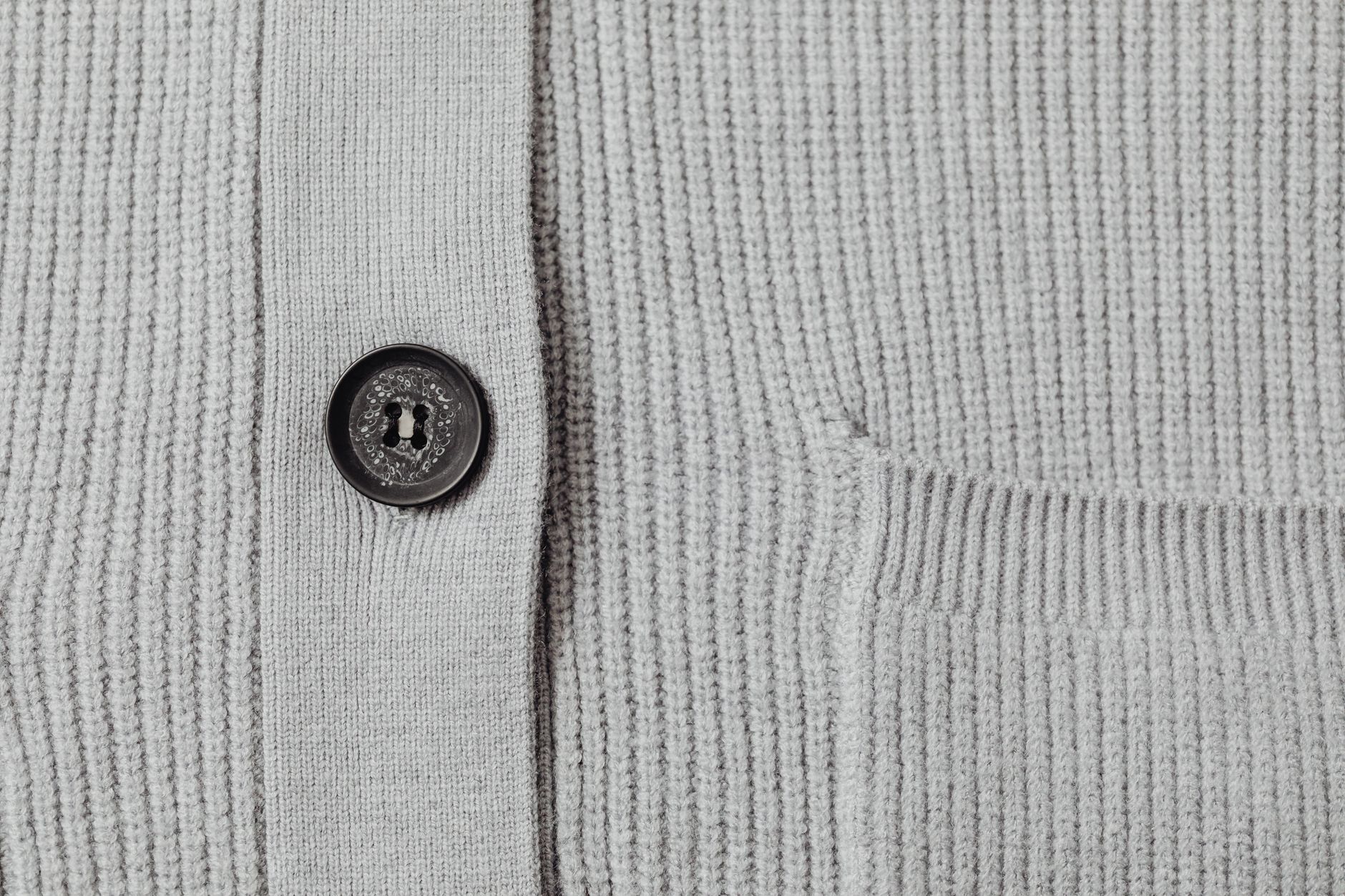
That heaviness is good news for anyone nervous about the trend, because a knitted mesh top is considerably more opaque than the summer version and reads as a textured knit from a distance.
Frequently asked questions
What do you wear under a sheer top for work?
A fitted camisole or a bandeau in the same tone as the top, or a well cut slip if the sheer layer is a dress. Match the colour to the sheer layer rather than to your skin, because a contrasting undergarment is what makes the transparency obvious.
Is sheer dressing appropriate for a professional environment at all?
As a textural detail, yes, and it now appears in mainstream workwear ranges across the US and UK. As an exposed layer over the torso, no, in most workplaces. The grading table above covers the practical distinctions.
Does this work in cold weather?
Better than you would think, because the autumn version relies on layering rather than on a single garment. A mesh top under a wool vest is warmer than a short sleeve shirt, and an organza overlay adds a surprising amount of insulation over knitwear.
How do you stop mesh from looking cheap?
Check the recovery of the fabric by stretching it gently and watching whether it returns to shape. Cheap mesh sags at the elbows and neckline within a few wears. Also avoid anything with a visible shine, since matte mesh always looks more expensive than glossy.
Can this work over forty, or fifty?
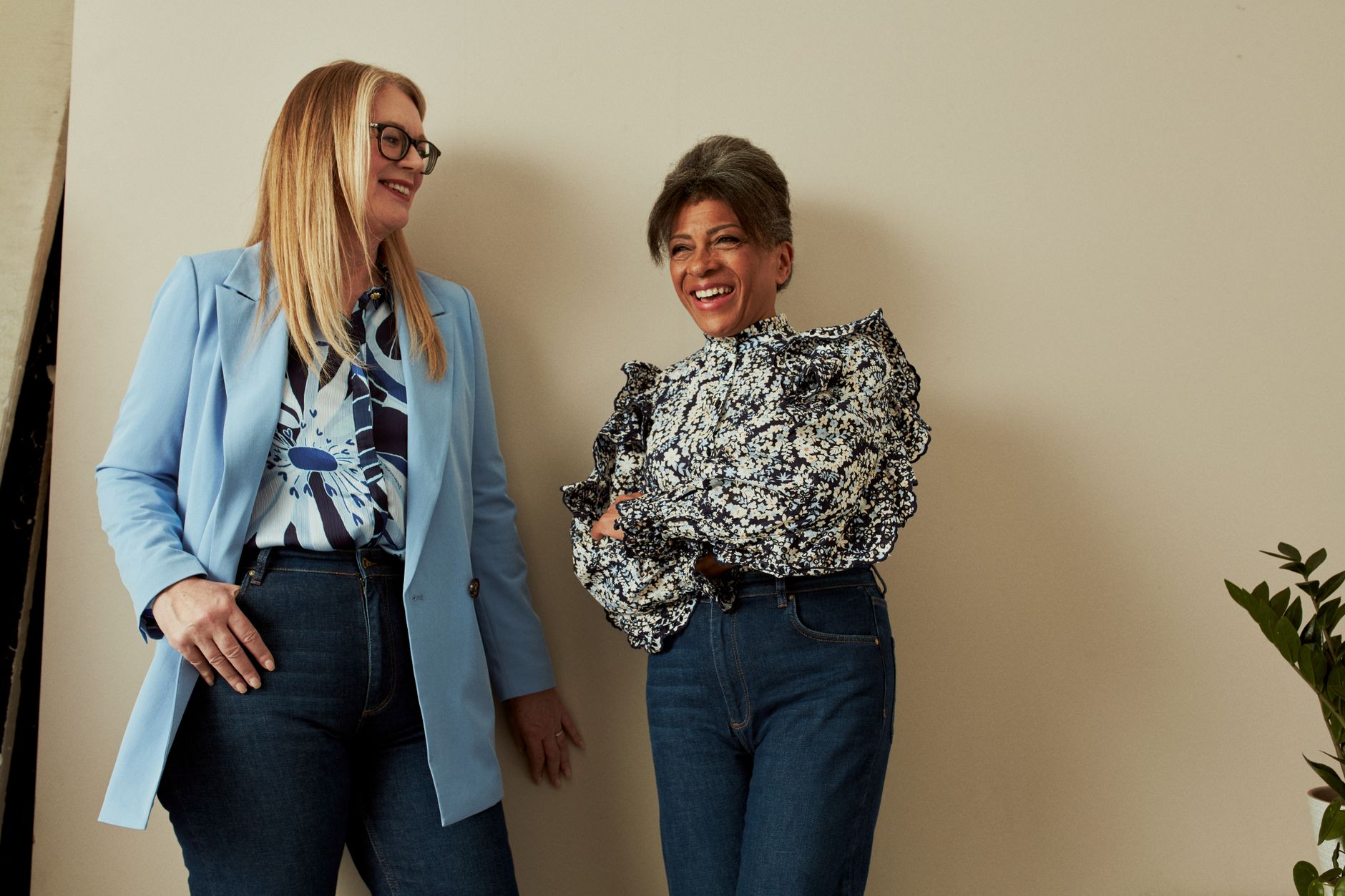
Yes, and the version that works best is the one described here anyway, meaning sheer at the sleeves, the collar and the hem rather than across the body. Age is far less relevant to this trend than proportion and fabric weight are.
The Velvet verdict
Sheer dressing is only difficult when it is treated as a single garment. Treated as a layer, with weight next to it and a considered piece underneath, it is one of the easiest ways to make an otherwise plain autumn wardrobe look like it was assembled by someone with a point of view.