


Cost per wear is the most quoted idea in fashion and the most sloppily applied. Every expensive thing gets justified with it, usually at the till, usually by someone who has already decided.
Used properly it is a genuinely good tool, because it is the only common way of comparing a four hundred dollar coat with a ninety dollar one that accounts for what actually happens after you buy them. Used badly it is a permission slip.
Here is the arithmetic done honestly, and the nine autumn purchases that survive it.
The formula, and the two corrections nobody makes
The basic calculation is price divided by the number of times you wear the item.
Two corrections turn it from a rationalisation into a decision tool.
Subtract resale value
If a coat costs 1,200 and sells three years later for 400, its real cost was 800. This single correction is why certain expensive brands work out cheaper than mid market ones. It also means resale performance belongs in the maths at the point of purchase rather than as an afterthought.
Add maintenance
Dry cleaning, resoling, repairs. A wool coat cleaned twice a year for five years adds meaningfully to its real cost. A resoleable boot subtracts from it, because resoling at eighty dollars extends a boot's life by years.
The corrected version is therefore price, minus expected resale, plus lifetime maintenance, divided by realistic wears. Realistic is the operative word. Most people overestimate wears by a factor of two or three.
The nine that pass
These are ranked by how reliably they earn out, not by how exciting they are. The exciting purchases almost never win this calculation.
| Piece | Typical price | Realistic wears per year | Expected life | Corrected cost per wear |
|---|---|---|---|---|
| Wool and cashmere coat | 900 USD | 70 | 8 years | Around 1.60 |
| Everyday leather shoulder bag | 500 USD | 150 | 6 years | Around 0.45 |
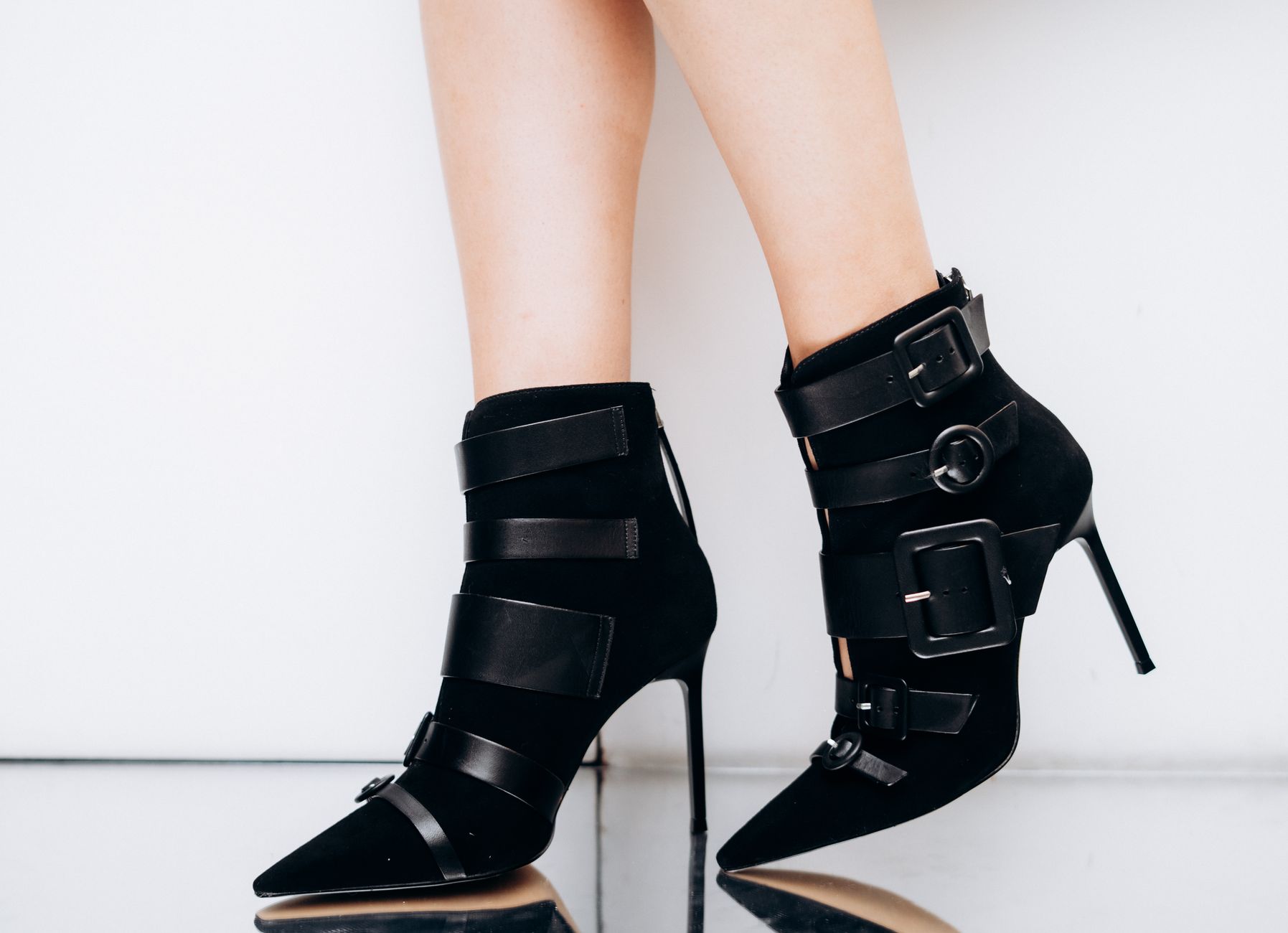
| Resoleable leather or suede boot | 400 USD | 90 | 6 years | Around 0.85 |
| Fine gauge cashmere crewneck | 300 USD | 45 | 6 years | Around 1.10 |
| Tailored wool trouser | 250 USD | 60 | 5 years | Around 0.85 |
| Good cotton poplin shirt | 150 USD | 50 | 6 years | Around 0.50 |
| Small solid gold hoops | 400 USD | 300 | Indefinite | Under 0.10 |
| Knitted dress in wool or merino | 350 USD | 25 | 6 years | Around 2.30 |
| Waterproof trench or raincoat | 400 USD | 40 | 8 years | Around 1.25 |
The numbers assume mid market pricing, honest wear estimates and reasonable care. Adjust the wears column to your own life before trusting any of it, since climate and workplace change these figures enormously.
Why these nine and not others
The coat wins on volume
In any climate with a real autumn, outerwear is worn over almost every outfit, which makes it the highest leverage purchase in a wardrobe and the one where quality is most visible from a distance.
The bag wins on frequency
Nothing else in a wardrobe gets used one hundred and fifty times a year. A five hundred dollar bag carried daily is among the cheapest things you will ever own per use, provided you buy a shape you actually like rather than a shape that is currently everywhere.
Boots win on repairability
This is the single most overlooked variable. A welted or otherwise resoleable boot can be renewed several times. A cemented sole cannot be repaired at all, which is why a two hundred dollar boot that dies in eighteen months is more expensive than a four hundred dollar boot that lasts six years.
Gold jewellery barely counts as spending
Solid gold does not tarnish, can be repaired indefinitely, and holds a floor value in the metal itself. Plated jewellery at forty dollars replaced annually is the more expensive habit.
The knit dress is the weakest of the nine
It is included because it earns out on effort rather than on maths. A single garment that constitutes a complete outfit has a value that the calculation does not capture.
The purchases that fail this test
Worth naming plainly, because the same items appear on every autumn shopping list.
Statement outerwear in a seasonal colour. Wear frequency collapses after one year and resale is poor.
Trend footwear with an extreme toe or heel shape. High visibility means high memorability, which caps wears.
Anything in a fabric that pills. A wool blend knit that looks tired after ten wears has a cost per wear far higher than its price suggests, regardless of how cheap it was.
Occasion pieces bought speculatively. The wear count is almost always one, and frequently zero.
Very cheap versions of trend materials. A synthetic suede jacket at ninety dollars worn twelve times costs 7.50 per wear, which is more than the four hundred dollar real suede jacket worn ninety times over three years.
That last example is the whole argument in one line. Cheap is only cheap if it survives.

How to estimate wears honestly
Three questions produce a more accurate number than intuition does.
How many days a year does the weather actually allow it?
A heavy wool coat in a mild climate gets sixty days, not one hundred and eighty.
What does it replace?
If you already own two similar coats, the new one takes a third of the wears, not all of them.
Would you wear it twice in one week?
If the answer is no, because it is memorable, halve your estimate immediately.

Frequently asked questions
What is a good cost per wear figure?
Under one dollar per wear is excellent, one to three is reasonable for outerwear and knitwear, and anything above five for a regular wardrobe piece suggests you have bought the wrong item at the wrong price. Occasion wear operates on a different scale entirely.
Does cost per wear justify buying luxury?
Sometimes, and specifically where resale is strong or where construction genuinely extends life. It does not justify a purchase where the premium buys brand recognition rather than durability, since recognition does not add wears.
How do I include resale in the calculation?
Check completed sales rather than listings on the resale platforms for the brand and category you are considering, then use a conservative figure. Strong contemporary brands often return thirty to fifty percent of retail in good condition. Fast fashion returns close to nothing.
Is it worth paying more for repairability?
Yes, and it is the most reliable multiplier in the whole calculation. Resoleable footwear, replaceable bag straps and natural fibres that can be repaired or rewoven all extend life at a fraction of replacement cost.
Does this apply to sale shopping?
It applies more. A discount improves the numerator, but only if the wear count would have been high at full price. A seventy percent reduction on something you will wear four times is still a poor purchase.
The Velvet verdict
Cost per wear rewards boring decisions, which is why almost nobody applies it consistently. The nine items above are not the ones that will make you feel anything at the checkout. They are the ones that will still be working in 2032, which over a decade is a considerably better feeling.