


The retail calendar and the social calendar have never lined up. Occasion wear arrives in shops from early October, sells through its best pieces by the middle of November, and is picked over by the point at which most people begin thinking about what to wear to anything.
By the second week of December, what remains in the good sizes is the third choice of everyone who shopped earlier. Buying in October is not organisation for its own sake. It is the difference between choosing and settling.
The three fabrics, and what each is actually for
Velvet
The velvet is the most forgiving of the three. It has weight, it drapes rather than clings, it hides more than satin does, and it reads as expensive under artificial light because the pile catches and holds light rather than reflecting it. It is also the warmest, which matters for anything involving standing outside in December.
The risk with velvet is crushing. Cheap velvet flattens permanently at the seat and the elbows within a few wears. Look for a dense pile that springs back when you run a hand against it.
Satin
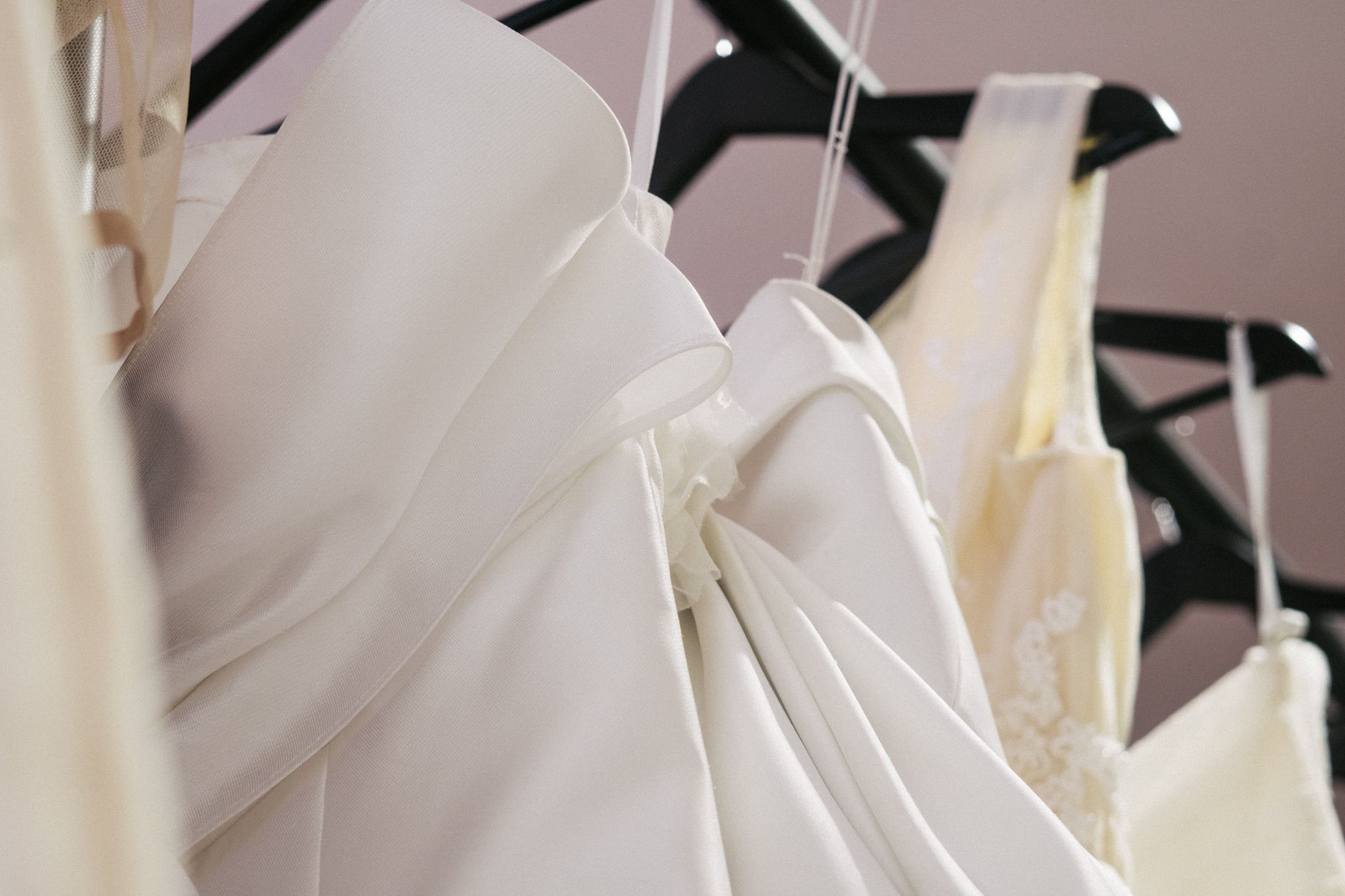
The satin is the most photogenic and the least forgiving. It reflects light directly, which means it shows every line beneath it and every crease. It is the correct choice for a bias cut slip shape and the wrong choice for anything structured at a low price, since cheap satin looks obviously cheap under flash.
Silk satin behaves completely differently from polyester satin. If the budget only reaches polyester, choose a matte or crepe backed version rather than a high shine one.
Sequins
The sequins are the highest impact and the shortest lived. The quality difference is entirely in the base fabric and the density of the sequin, and both are visible immediately. Sparse sequins on a thin stretch mesh will snag, shed and sag. Densely applied sequins on a proper base hang like a heavier garment and last for years.
What to buy in October, specifically
| Piece | Why buy early | Approximate price | What to check |
|---|---|---|---|
| Velvet blazer | Sells out first in the good colours, works from October to January | 120 to 400 USD | Pile density and shoulder construction |
| Bias cut satin slip dress | The single most reused occasion piece, sizes go early | 90 to 350 USD | Whether the bias hangs straight, and the seam finishing |
| Sequin skirt | Easier to wear repeatedly than a sequin dress | 100 to 400 USD | Base fabric weight and lining |
| Black velvet trouser | Quietly the most useful item in this list | 90 to 250 USD | Whether it holds a crease and resists crushing |
| Metallic or satin flat shoe | The evening shoe people always leave too late | 80 to 300 USD | Comfort, since December involves standing |
| Small structured evening bag | Prices rise sharply through November | 100 to 400 USD | Strap length and whether it holds a phone |
| Occasion coat | Almost always forgotten until it is too late | 200 to 600 USD | Whether it fits over the outfit's sleeves |
The last row is the most common failure. People buy an entire outfit and then discover in December that their winter coat does not close over it, which is how expensive dresses end up covered in a school run parka.
How to build one outfit that works four times
The most useful principle in occasion dressing is separates over dresses.
A velvet blazer, a satin skirt, a sequin top and a good trouser produce considerably more outfits than four dresses at the same total cost, and each piece can be pulled into ordinary wear afterwards. A sequin skirt with a plain grey knit and flat boots is a genuinely good weekend outfit. A sequin dress is a sequin dress.
The second principle is one texture at a time. Velvet with satin works. Velvet with satin and sequins reads as a costume. Keep two of the three plain and let one carry the outfit.
The practical details nobody mentions
Occasion clothes fail on logistics more often than on looks.
Check that you can sit down
Bias cut satin in particular behaves entirely differently seated than standing, and a fitting room is where you should discover that.
Check the shoe against the hem in the actual shoe
Occasion hems are frequently cut for a heel height most people do not wear.
Plan for cold
A slip dress in December requires either a good coat, a wrap, or an acceptance of being cold. Sheer tights in a fine denier, a fitted knit worn over a slip dress, or a velvet blazer all solve it.
Buy the bag early
Small evening bags sell out earlier than any other category and rise in price fastest through November.
Caring for it so it survives to next year
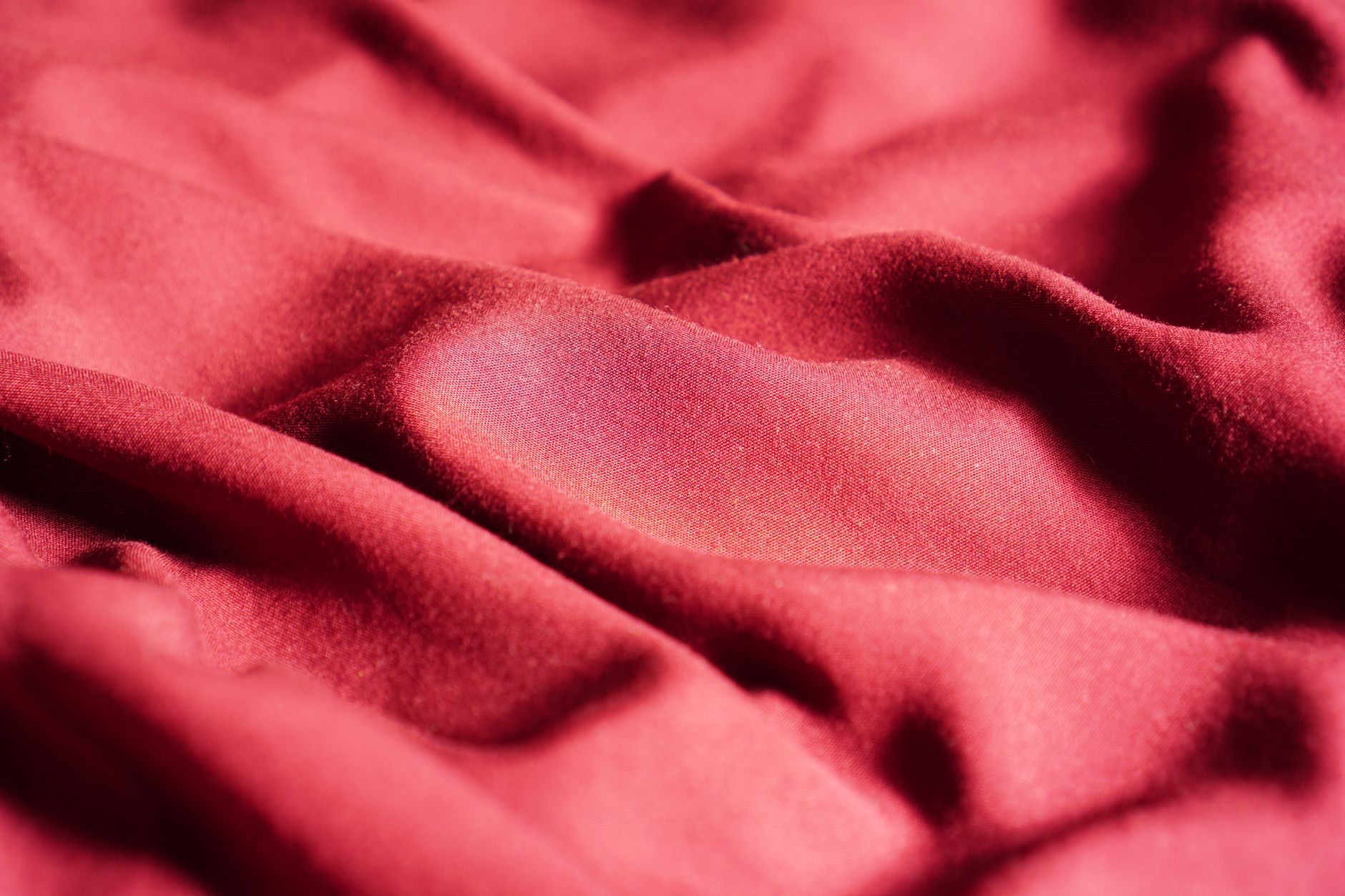
Velvet should be hung, never folded, and steamed rather than ironed. An iron flattens the pile permanently.
Satin should be dry cleaned or hand washed cold depending on the fibre, and stored on a padded hanger, since a wire hanger creates a shoulder mark that will not come out.
Sequins should be stored inside out, ideally in a garment bag, so the sequins do not catch on everything around them. Never put a sequin garment in a machine.

Frequently asked questions
When should I buy party season clothes?
October is the sweet spot. Stock is full, sizes are complete, and the first discounts appear in late November before the best pieces are gone. Waiting until December means choosing from what is left.
Is velvet or satin more flattering?
Velvet, for most people, because it has weight and does not cling. Satin is more striking in photographs but shows every line, so it works best in a bias cut that skims rather than a fitted shape that grips.
How do I stop sequins from shedding?
Buy density over sparseness, store the garment inside out, avoid friction against bags and seatbelts, and never machine wash it. A few loose sequins are normal, and a needle and thread fixes them in seconds.
Can occasion pieces be worn in normal life?
Separates can, easily. A sequin skirt with a plain knit, a velvet blazer over jeans and a satin skirt with a heavy sweater and boots are all straightforward daytime outfits. Full occasion dresses are much harder to repurpose, which is the argument for buying separates.
What is the best shoe for a long evening?
A low block heel or a flat with a cushioned footbed in a metallic or satin finish. The three hour ceiling on an unpadded stiletto is a real constraint, and no outfit survives the wearer being uncomfortable.
The Velvet verdict
The advantage in December belongs entirely to whoever shopped in October, and it is the cheapest advantage available in fashion. Buy the blazer, the trouser and the bag now, leave the dress until the sales if you want, and check that your coat closes over the whole thing before you commit to any of it.