


Boot shopping in London tends to collapse into a single flustered Saturday in late October. The forecast turns, the Instagram feed shifts to oxblood and conker brown, and suddenly a perfectly adequate pair of Chelseas from 2023 looks tragic. We spent five weeks wearing four pairs on repeat across the Northern line, Clerkenwell cobbles, a wet weekend in Oxford, and the kind of damp afternoon that destroys suede. This is what we learned about the three silhouettes that matter most this season.
The spread is deliberate. Dune at the high-street end for the knee-high, Russell & Bromley sitting in the mid-luxury bracket for the ankle, Grenson's Nanette Chelsea doing proper Northampton Goodyear welting, and ME+EM's riding boot standing in for the premium knee-high crowd. Prices run from £140 to £495, which is roughly the real range most working women are juggling.
The Knee-High Question Nobody Answers Honestly
The marketing shot always features a woman with a 34cm calf tucked serenely into leather. Real British calves measure 36cm to 42cm on average, which is why so many pairs end up on resale with the lining stretched and the zip gaping. ME+EM's Riding Boot (£495, soft Italian calf, side zip) accommodates up to 40cm comfortably with a slim trouser or 100 denier tights underneath. Dune's Tolpuddle (£140, bonded leather upper, back zip) tops out around 37cm and starts to pinch over a thick knitted dress.
The contrarian point: the cheaper pair looks better on anyone with a narrow lower leg. The ME+EM boot is cut for someone who actually rides, meaning the shaft stands away from the leg at mid-calf and reads slightly equestrian with slim denim. If you're 5'4" and your calves are on the slender side, the Dune boot photographs sharper. The ME+EM only earns its £495 if your calf fills the shaft properly.
Ankle Boots and the Myth of the "Walkable Heel"
Russell & Bromley's Milano (£395, block heel, almond toe, Italian leather) is marketed as a walkable 65mm heel. It is walkable the way a Pret flat white is a flat white, which is to say technically yes but let's not pretend. Over three weeks of pavement commuting, the heel height stopped mattering around minute forty. What mattered was the shank. The Milano has a steel shank that holds the arch rigid, which prevents the foot from collapsing forward. The equivalent at £95 from a fast-fashion label does not, and the difference is a dull ache that starts in the ball of the foot and ends with you booking a reflexology appointment.
The pointed-toe ankle boot continues to look sharper under a wide-leg trouser than a round toe, despite the slight return of the almond this autumn. The Milano in espresso leather went with every work outfit we tested, including a cream wool suit from COS that looks far more expensive than it is. The one caveat: the almond toe makes your foot look about half a size longer. If you're between a 39 and a 40, size down.
The Chelsea Boot, Properly Made
Grenson's Nanette (£315, Goodyear welted, calf leather, elasticated gusset) is the only boot in this test that can be resoled, and that single fact changes the maths. A resole at a decent cobbler in London runs £90 to £120. Over ten years, you're looking at perhaps two resoles and a leather feed every six months. The all-in cost comes to roughly £550 across a decade, which works out to £55 a year for a boot that becomes more interesting as it ages. The non-welted Chelseas we've owned previously have lasted eighteen months before the sole separated and they went to landfill.
The wry observation: nobody under forty seems to know what Goodyear welting is anymore. The high-street has trained an entire generation to think boots are disposable, and the resale economy has filled in the gap. If you cannot stomach £315, buy a secondhand pair of Grenson or Church's on Vestiaire Collective for £140 and have them resoled. You'll end up with a better boot than anything new under £400.
Materials, and Why Suede Still Deserves a Chance
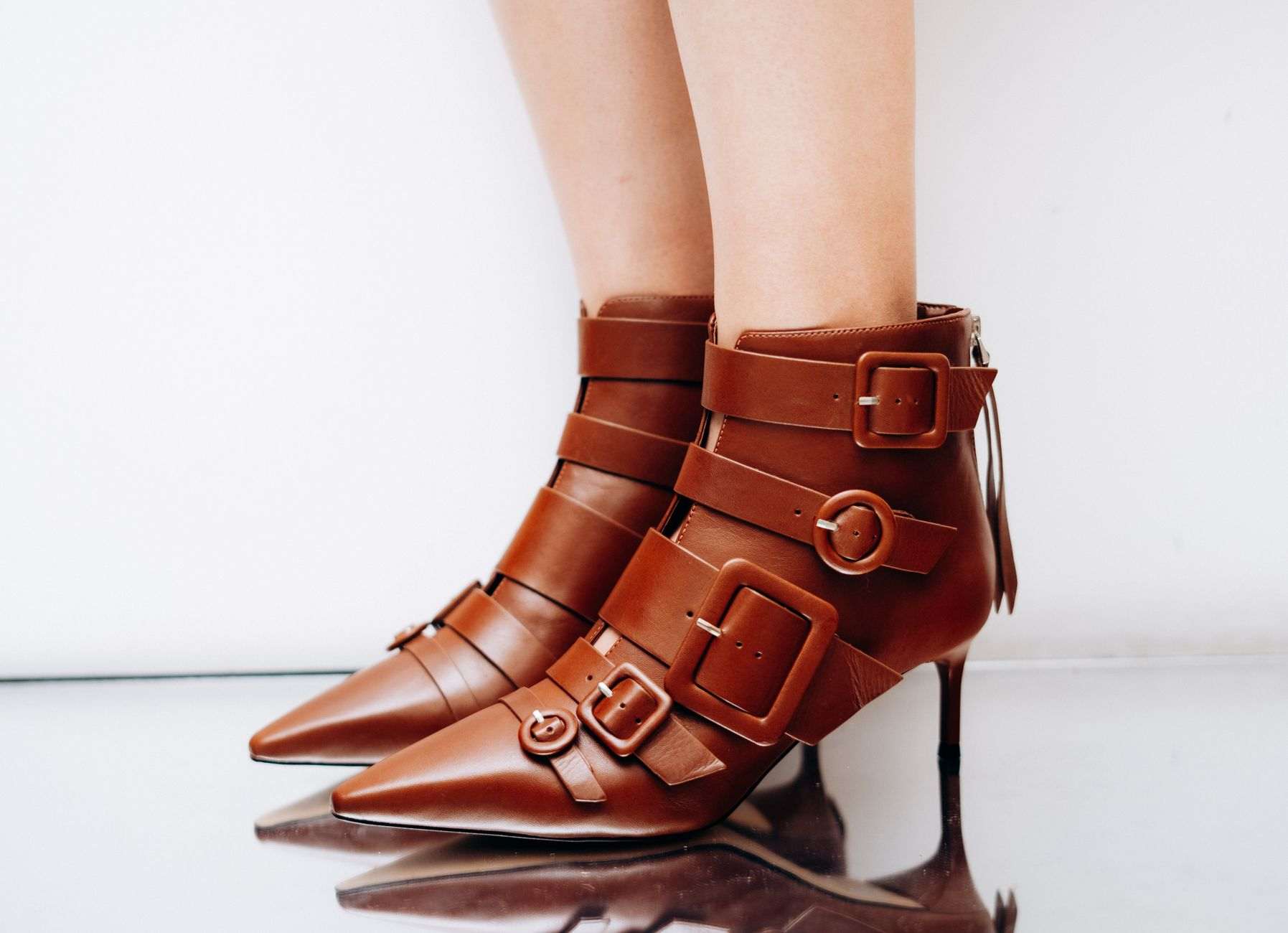
Suede gets dismissed as impractical in the British climate, which is slightly unfair. The Russell & Bromley Milano comes in a suede that holds up remarkably well with a decent protector spray applied before first wear and refreshed every six weeks. The trick is to accept that suede develops character. A pristine suede boot in April is a boot that hasn't been worn properly. We tested the espresso suede through two downpours and a Sunday afternoon in Richmond Park. It needed a brush and a light steam, and it looked better for it.
Patent leather is the material to avoid for anything beyond evening wear. The ME+EM Riding Boot comes in a patent option that reads toy-like on anyone over thirty. The matte calf is the one to buy. Full-grain, slightly waxed, develops a patina over the first winter and settles into something properly expensive-looking by year two.
Styling: What Actually Works in November
The knee-high works best with a slim knitted dress ending just above the knee, or a midi skirt in a heavier wool with the boot overlapping the hem by about two inches. The ankle boot wants either a cropped wide-leg trouser landing exactly at the ankle bone, or a slim bootcut that just skims the top of the heel. The Chelsea boot pairs easiest with straight-leg denim in a mid-wash, cuffed once to show the welt.
The slightly contrarian styling note: the knee-high over a wide-leg trouser does not work. It never has. The outline reads as a column of fabric with no definition at the ankle, and the proportions flatter nobody. If you want to wear a wide-leg trouser in winter, pair it with the ankle boot or a loafer. Save the knee-high for skirts and dresses.
Price per Wear, Honestly Calculated
A boot worn three times a week from mid-October to mid-March is a boot worn roughly seventy-two times a year. The Grenson Chelsea at £315, worn for five winters, works out to 88p per wear. The Dune Tolpuddle at £140, which realistically lasts two winters before the bonded leather cracks at the flex point, works out to 97p per wear. The ME+EM at £495, worn for five winters, lands at £1.38 per wear. The Russell & Bromley Milano at £395, with the suede refreshed annually, comes in around £1.10.
The surprise is that the Dune boot is not meaningfully cheaper per wear than the Grenson. It feels cheaper at the till, which matters when the credit card bill arrives, but the cost-per-wear picture flattens out quickly once you factor in replacement cycles.
| Boot | Brand | Price | Silhouette | Best For |
|---|---|---|---|---|
| Tolpuddle | Dune | £140 | Knee-high | Slim calves, short-term wear |
| Milano | Russell & Bromley | £395 | Ankle | Office commute, suit trousers |
| Nanette | Grenson | £315 | Chelsea | Resolable long-term buy |
| Riding Boot | ME+EM | £495 | Knee-high | Fuller calves, equestrian cut |
Do's and Don'ts
| Do | Don't |
|---|---|
| Measure your calf before buying knee-high | Assume the model's calf matches yours |
| Spray suede before first wear | Pretend suede is maintenance-free |
| Resole Goodyear-welted boots | Replace them when the sole wears |
| Size down half a size in pointed-toe | Trust that your usual size translates |
| Keep boot trees in off-season | Store them scrunched at the back of the wardrobe |
| Buy espresso or conker before black | Default to black because it goes with everything |
| Cuff straight-leg denim once over Chelsea | Tuck jeans inside ankle boots |
| Pair knee-high with slim skirts | Try knee-high with wide-leg trousers |
| Check welt construction before buying | Assume all leather boots can be resoled |
| Rotate two pairs through the winter | Wear the same boots seven days a week |
Frequently Asked Questions
Are block heels really more comfortable than kitten heels
Over short distances the difference is marginal. Over a London commute involving tube stairs and a ten-minute walk at either end, the block heel wins decisively because it distributes weight across a wider surface and reduces lateral strain on the ankle.
Can I wear knee-high boots to the office
In most British office cultures yes, provided the boot is a riding or dress silhouette rather than a slouchy pirate style. Keep the leather clean, pair with a tailored skirt or slim trouser, and avoid anything with buckles or hardware that reads overtly fashion-forward.
What's the realistic lifespan of a bonded leather boot
Eighteen months to two winters if worn regularly. Bonded leather is reconstituted scraps bound with polyurethane, and it cracks at flex points on the vamp. It cannot be repaired because there's nothing underneath for a cobbler to work with.
Is suede really viable for a British winter
Yes, with preparation. A silicone-based protector spray applied before first wear and reapplied every six weeks keeps most water off. A horsehair brush restores the nap after rain. The boot that cannot handle a wet afternoon in London is not a suede problem, it's a maintenance problem.
How do I know if a Chelsea boot fits properly
The heel should sit snugly without slipping on the first wear. The elasticated gussets should feel firm, not loose. If you can slide a finger down the back of the heel, size down. Chelsea boots stretch about half a size over the first six weeks.
Should I invest in boot trees
For anything over £150, yes. Cedar trees absorb moisture, maintain shape, and extend the usable life of the leather by roughly thirty per cent. For a £495 boot, a £25 pair of trees is non-negotiable.
What's the best boot colour for autumn 2026
Oxblood and conker brown are both in strong rotation. Oxblood photographs sharper on social media; conker brown is the more flattering tone against pale British skin and works harder across a wider range of outfits.
Can I waterproof leather boots myself
Yes. Collonil Waterstop or Saphir Médaille d'Or do the job properly. Apply in thin coats, let each dry fully, and buff lightly between coats. Avoid aerosol sprays on full-grain leather, they can leave a dull film.