

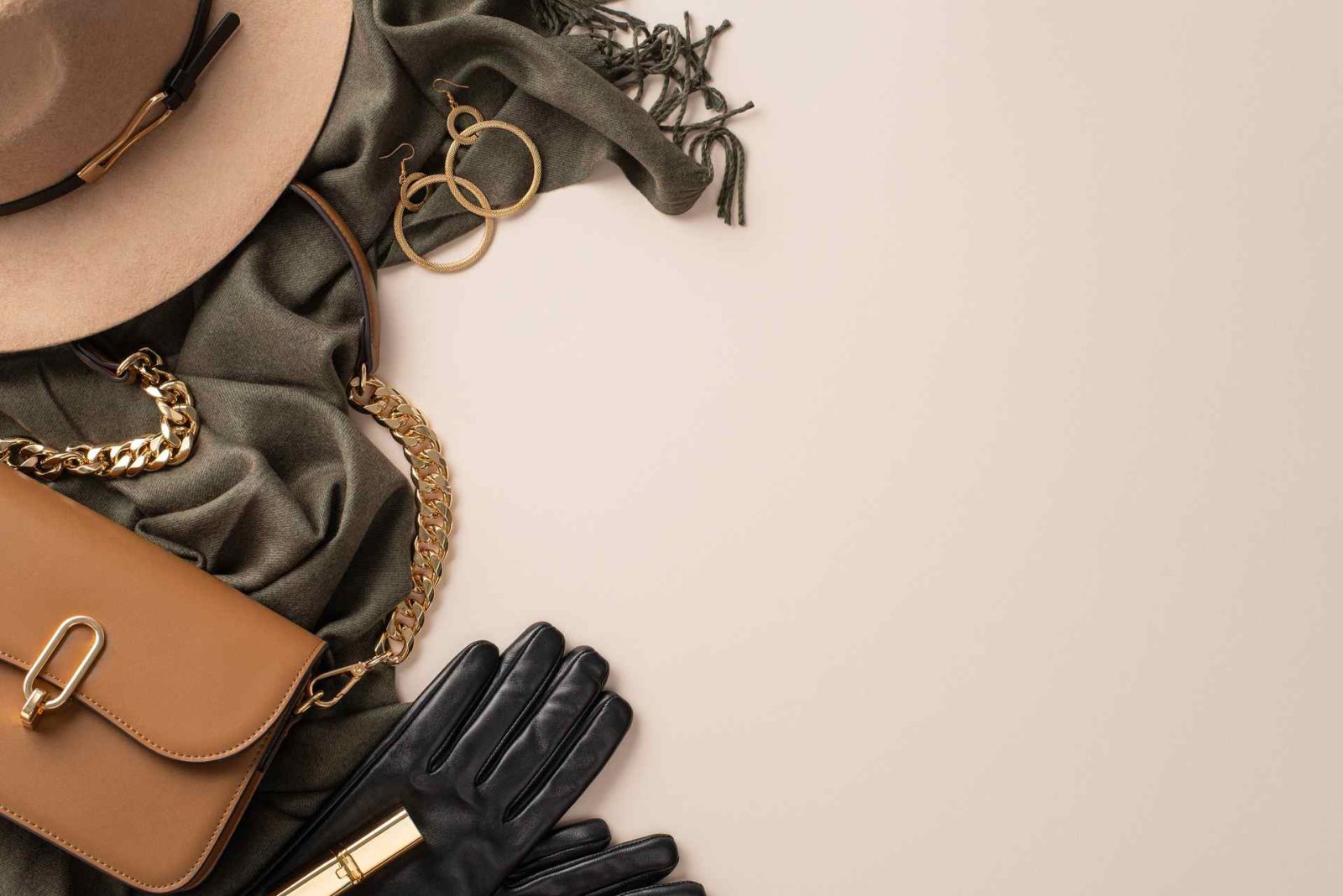
The question is not if luxury or budget fashion is better. It is where each makes sense. In 2026 the best wardrobes are built on a mix of investment pieces and affordable essentials. These are chosen based on how you wear them how long they last and how well they go with other things.
Of seeing luxury and budget as opposites it helps to treat them as tools for different jobs. Some items are worth spending on because you wear them a lot or they need to be really well made. Others can be budget friendly because they are for a season or can be easily replaced.
Understanding the Difference
Budget Fashion
Where Budget Fashion Works Best
Budget fashion is about being affordable and easy to get. It works well for everyday wear, for following the trends, and for items that need to be replaced often.
However budget clothing may not always last long or fit well.

Luxury Fashion
What Luxury Fashion Actually Offers
Luxury fashion is about quality, fabric, and great construction. It costs more but offers a longer lifespan, a consistent fit, and better materials.
The downside is that it is expensive which makes it hard to build a whole wardrobe with just luxury pieces.

Where to Invest
Which Pieces Are Worth a Quality Investment
Some clothing items are worth spending on because you use them a lot or they make a big difference in how you look.

Investing in Jeans, Trousers and Footwear
1. Bottom Wear (Jeans & Trousers)

These are worn a lot and affect how comfortable you are all day. Better fabric makes them last longer, a good fit makes you look better, higher quality pieces stay in shape longer, and a good pair of jeans or trousers can be used with many different outfits.
2. Footwear (Daily Wear)
Shoes affect how comfortable you are and how you stand. Better shoes last longer, good support makes a difference in how you feel every day, and investing in a few pairs is more practical than buying many cheap ones.
When Outerwear Is Worth Spending More
3. Outerwear (Blazers, Jackets)

These are seen a lot and often worn repeatedly. A well made blazer can make many outfits look better, better construction keeps its shape, and since these are worn often, quality matters.
4. Bags (Functional Accessories)
Bags are used every day and need to last. Better bags keep their shape, simple designs go with more outfits, and investing in one or two bags is more efficient than buying many cheap ones.
5. Occasion Wear (Selective Investment)
For events like weddings investing in one outfit can be more practical than buying many cheap ones.
However think about if you will wear it
### Where to Save
Some things do not need a lot of investment because they are used differently.
1. Basic T Shirts & Tops
These are worn a lot and also replaced often, so budget options are fine. Focus on fit rather than price.
2. Trend Based Clothing
Trends change fast, so spending a lot is rarely worth it. Budget options give you flexibility and are easier to replace when trends change.
3. Casual Wear
Items for comfort do not always need to be premium. Budget pieces work well if they are comfortable, and you can replace them as needed.
4. Seasonal Items
Clothing for one season does not need a lot of spending. Budget options are more practical because limited use means it is not worth a large investment.
### Cost Per Wear: The Key Metric
Instead of just looking at price, think about cost per wear. An expensive item worn 100 times gives you a low cost per wear, while a cheap item worn twice gives you a high cost per wear.
This helps you see where spending more actually saves money over time.
Building a Balanced Mix of Quality and Affordable Pieces
Building a Balanced Wardrobe

A practical wardrobe might have invested items such as jeans, trousers, a blazer, and footwear, alongside budget items such as t shirts, casual tops, and trend pieces. This mix gives you comfort and durability where needed, plus flexibility and variety where it matters less.
Common Mistakes to Avoid
Buying everything cheap → Leads to frequent replacements and inconsistent quality
Spending a lot on trends → Items become unusable quickly
Ignoring fit while focusing on brand → Reduces effectiveness of the outfit
Over investing in single use outfits → Low return on cost
How to Decide: A Simple Rule
Before buying, ask yourself a few questions. If you will wear it often, consider investing; if it is trend based or occasional, go budget; if it affects your comfort daily, invest; and if it can be easily replaced, stay budget.
This framework makes it easier to decide.
Final Thought
Luxury vs budget fashion is not a choice it is a balance.
In 2026 the best wardrobes are built by spending on the things, not just a lot. Investing in the pieces makes you more comfortable and consistent while saving on others keeps things flexible. Your style is not about how much you spend. How well your wardrobe works, for you.
| Aspect | Do | Don’t |
| Investment focus | Spend more on high use items | Invest heavily in rarely worn pieces |
| Budget choices | Save on basics and trend items | Overspend on short term trends |
| Cost per wear | Evaluate how often you will use the item | Focus only on upfront price |
| Fit | Prioritize fit over brand | Buy expensive items with poor fit |
| Wardrobe balance | Mix luxury and budget pieces | Choose only one category |
| Practicality | Invest in comfort and durability | Ignore usability while shopping |
| Trend approach | Use budget options for trends | Spend heavily on fast changing styles |
| Replacement cycle | Replace budget items as needed | Keep low quality items too long |
| Occasion wear | Invest selectively with reuse in mind | Buy expensive one time outfits |
| Decision making | Use a clear framework before buying | Shop impulsively |
FAQs
Is luxury fashion worth the investment?
For the things we use all the time, like clothes and shoes, it is a smart idea to buy items that are really durable.
What should I never buy cheaply?
Footwear and the bottoms we wear often are things we should spend a little more money on to get good quality.
Are budget clothes bad quality?
Not always. Budget can be fine, especially for basic clothes and the things we wear when we are just relaxing.
How do I decide between luxury and budget?
Think about how you will use the item, how comfortable it is, and whether you can wear it with lots of other things.
What is cost per wear?
Cost per wear is the price of the item divided by how many times you wear it. It helps you know if the item is really worth the money you spend on it.
Should I invest in trend based clothing?
Not always. Fashion trends change really quickly, so it is better to buy the cheaper options for those pieces.
Can I build a stylish wardrobe on a budget?
Yes. You can still look great by buying a few nice investment pieces and mixing them with cheaper but well chosen essentials.
What is the biggest mistake in fashion spending?
The worst thing you can do is spend without thinking about whether you will actually use the item and whether it is practical for your life.