

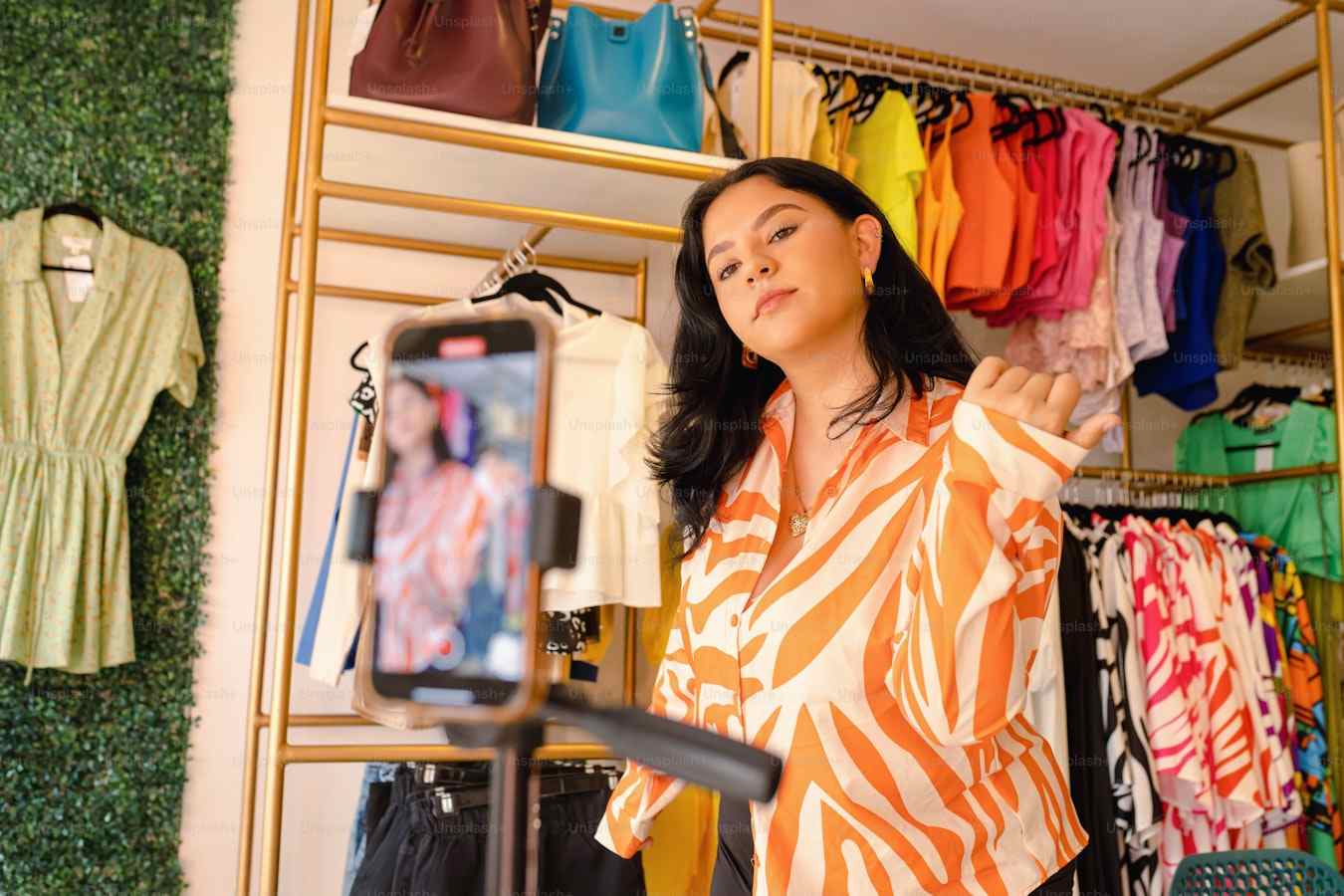
There was a time when fashion criticism lived in glossy magazines and the front rows of Paris, guarded by editors who’d spent decades earning their seats. That world hasn’t disappeared, but it’s been joined, and in many cases overtaken, by a generation of fashion TikTok creators in 2026 who are doing something the old guard rarely attempted: making luxury fashion commentary genuinely entertaining, accessible, and sharp enough to shift how millions of people think about what they buy. These aren’t influencers unboxing PR packages while whispering “obsessed.” They’re analysts, satirists, historians, and forecasters who treat a Miu Miu SS26 collection or a Loewe runway with the same intellectual seriousness a film critic brings to Cannes, except they do it in sixty seconds, and their audience actually watches.
What’s changed in 2026 isn’t just the platform, it’s the power dynamic. TikTok’s own data shows that 32% of luxury shoppers now discover brands through creator videos, and one in four waits for a creator’s review before purchasing. Gen Z and millennials, on track to control 60% of global luxury spending this year, aren’t reading Suzy Menkes recaps anymore. They’re watching Mandy Lee break down why the “boho grunge” revival connects to a 30 year cultural cycle, or Wisdom Kaye style a $75,000 outfit with the same cinematic intention he brings to a $200 thrift haul. The fashion TikTok creators 2026 has elevated aren’t replacing traditional criticism, they’re building something that never existed before: luxury commentary that’s democratic, visually literate, and allergic to pretension.
Mandy Lee and the Rise of the Public Trend Forecaster
Before Mandy Lee (@oldloserinbrooklyn), trend forecasting was an invisible profession. Brands paid agencies thousands for seasonal reports that consumers never saw. Lee, a former trend researcher who quit her corporate job to create fashion analysis full time on TikTok, ripped that curtain open. With roughly 532,000 followers, a Substack newsletter called Cyclical, and recognition from Vogue Business’s 100 Innovators list and Rolling Stone’s 25 Most Influential Creators, she’s proven that explaining why fashion moves matters more than showing what’s new. Her 2026 trend predictions broke down the shift from quiet luxury fatigue into maximalism and what she’s framed as a “neo bohemian grunge” moment, drawing direct lines between ’90s anti fashion, current economic anxiety, and what showed up on the Schiaparelli couture runway. She doesn’t just tell you what’s trending; she tells you why you’re drawn to it, and whether that impulse will last past March.

Wisdom Kaye: When Styling Becomes Storytelling
Wisdom Kaye has 14.2 million TikTok followers and a Forbes Top Creators 2025 nod, but reducing him to numbers misses the point. Kaye, a Nigerian American model signed to IMG, turned TikTok styling videos into something closer to short films. His content consistently mirrors luxury campaign production values: intentional color grading, narrative arcs within a single outfit transition, and a cinematic polish that makes most brand content look lazy by comparison. He’ll style a full Valentino look one day and an equally striking outfit built from vintage finds the next, proving that luxury isn’t about the price tag but about the eye behind the choices. His styling challenges have become editorial level productions, and brands including Valentino Beauty, Adobe, and Ray Ban have partnered with him not for reach alone but because his aesthetic credibility transfers. In a landscape drowning in hauls, Kaye makes the argument that fashion TikTok creators 2026 audiences trust most need to be directors, not just shoppers.

Chriselle Lim and the Satirical Luxury Series
Chriselle Lim’s “Rich Mom” character started as a joke and became a cultural artifact. The Korean American creator, one of the original fashion bloggers turned TikTok powerhouse, built an episodic mini series around a satirical wealthy mother character that blends class commentary, Hermès references, and genuine styling advice into something that feels like a prestige comedy sketch. In 2026, her branded collaboration with Amazon Luxury Stores racked up 45 million views across five episodes in under 20 days. The format works because Lim understands something most luxury content misses: humor disarms the gatekeeping instinct. You laugh at the “Rich Mom” ordering a Birkin for her daughter’s kindergarten graduation, but you also absorb real information about how luxury houses market aspiration. Episodic fashion content is now driving 2x higher repeat view rates compared to single post outfit drops, and Lim helped invent that format.

The Anonymous Critics: Fashion Critical and the New Accountability
One of the most fascinating developments in TikTok luxury commentary is the rise of anonymous accounts that function as fashion watchdogs. Fashion Critical, whose identity became a subject of Daily Mail investigation in 2026, built a massive following by offering unfiltered, sometimes brutal assessments of designer collections, brand pricing strategies, and creative director decisions without the constraints that come with being a known industry insider. This anonymity allows for a kind of honesty that named critics, who depend on brand relationships for access, often can’t afford. The account represents a broader shift: TikTok fashion commentary has matured past “I love this bag” into genuine accountability journalism. When Balenciaga’s tape bracelet controversy erupted in 2026, it was accounts like these, not traditional outlets, that drove the first wave of critical discourse, complete with sourcing, historical context, and pointed questions about whether provocation without craft is still fashion.

From Quiet Luxury to Loud Opinions: How Commentary Killed the Microtrend
The quiet luxury movement that dominated 2023 and 2024, all Loro Piana knits and logo free Bottega Veneta pouches, didn’t die on a runway. It died in TikTok comment sections. Creators like Mandy Lee and others in the analytical space started pointing out that “quiet luxury” was just old money cosplay repackaged for algorithm consumption, and that naming it as a trend contradicted its entire premise. By 2026, the pendulum has swung hard toward maximalism, bold prints, visible branding, layered jewelry, dopamine dressing, and fashion TikTok creators 2026 audiences follow played a direct role in accelerating that shift. The deinfluencing movement, where creators actively tell followers not to buy overhyped products, has matured into something more nuanced: not anti consumption, but pro intentionality. Creators are asking audiences to think about why they want the Coach Tabby bag or the Aritzia Babaton blazer, not just whether they can afford it. That’s a fundamentally different relationship between content and commerce than anything traditional fashion media ever offered.

Why Brands Are Hiring Creators as Critics, Not Just Promoters
The smartest luxury houses in 2026, Loewe under Jonathan Anderson, Miu Miu under Miuccia Prada, Schiaparelli under Daniel Roseberry, have figured out that the most valuable creators aren’t the ones who’ll post a flattering unboxing. They’re the ones whose audiences trust their critical judgment. When a creator known for honest, occasionally unflattering assessments endorses a collection, that endorsement carries weight precisely because it could have gone the other way. This is why Loewe’s SS26 women’s runway strategy included seeding looks to commentary focused creators rather than traditional influencers, and why Miu Miu’s FW25 coverage gained traction through reaction videos and analytical breakdowns, not sponsored posts. The luxury fashion investment piece conversation has shifted from “buy quality basics” to “buy what a credible voice can defend.”

Do’s and Don’ts
| Do | Don’t |
|---|---|
| Follow creators who explain *why* trends move, not just what’s trending | Confuse follower count with fashion credibility |
| Watch for creators who reference specific collections (SS26, FW25) by name | Trust accounts that only post sponsored content without disclosure |
| Seek out commentary creators who mix high and low, Khaite with Zara TRF | Assume every TikTok fashion opinion reflects industry expertise |
| Pay attention to anonymous accounts that hold brands accountable | Dismiss anonymous critics without evaluating the substance of their arguments |
| Use TikTok trend analysis to inform purchases, not dictate them | Buy into every microtrend a creator names, most won’t last a season |
| Look for episodic or series format creators for deeper analysis | Rely on single outfit of the day posts for understanding luxury fashion |
| Cross reference creator opinions with runway reviews from WWD or BoF | Treat TikTok as your only source of fashion information |
| Support creators who champion sustainability and intentional buying | Engage with creators who promote overconsumption disguised as “hauls” |
| Follow forecasters like Mandy Lee for long term wardrobe thinking | Chase every aesthetic label (fairy grunge, mob wife, etc.) as a real trend |
| Engage with comment sections, the discourse there is often as valuable as the video | Scroll passively without questioning why a piece of content was made |
FAQs
Who are the most influential fashion TikTok creators in 2026? The landscape splits into distinct lanes. Mandy Lee (@oldloserinbrooklyn) leads trend forecasting with roughly 532,000 followers and recognition from Vogue Business and Rolling Stone. Wisdom Kaye dominates styling with 14.2 million followers and editorial quality productions. Chriselle Lim pioneered satirical luxury commentary through her “Rich Mom” mini series. Anonymous accounts like Fashion Critical provide unfiltered design criticism. Each serves a different function in how audiences process and understand luxury fashion.

How is fashion TikTok different from traditional fashion media? Traditional fashion media operates on access, editors attend shows, brands provide exclusives, and criticism is tempered by advertising relationships. TikTok fashion commentary operates on trust. Creators build credibility through consistency and honesty, and their audiences reward them for critical takes, not flattering ones. The format also forces concision: a 60 second video has to make its point without the padding that fills a 2,000 word magazine review. The result is commentary that’s sharper, faster, and more accountable to its audience.
Are TikTok fashion creators replacing professional fashion critics? Not replacing, supplementing and sometimes outpacing. Professional critics like Vanessa Friedman at the New York Times still provide essential institutional analysis, but their reach among consumers under 35 is declining. TikTok creators reach the demographic that actually drives luxury purchase growth. The two ecosystems increasingly reference each other: creators cite professional reviews, and publications cover creator discourse. It’s less a replacement and more a redistribution of influence.
What is the deinfluencing movement and does it still matter in 2026? Deinfluencing started as creators telling followers not to buy overhyped products, but by 2026 it’s evolved into a broader philosophy of intentional consumption. Rather than simply saying “don’t buy this,” the most thoughtful creators now frame purchasing decisions within context, is this a trend that will last? Does the price reflect the craftsmanship? Is there a mid tier alternative from Mango Selection or H&M Studio that achieves the same look? It’s become a sophisticated counterweight to haul culture.
How do luxury brands work with TikTok fashion creators in 2026? The most effective collaborations treat creators as editorial partners, not billboards. Chriselle Lim’s Amazon Luxury Stores series earned 45 million views because it preserved her satirical voice. Loewe and Miu Miu seed pieces to commentary creators whose honest reactions carry more weight than a paid endorsement. Brands are learning that a creator who might critique you is more valuable than one who’ll always praise you, because their audience knows the difference.
Should I trust anonymous fashion accounts on TikTok? Evaluate the substance, not the identity. Anonymous accounts like Fashion Critical can offer the kind of candid industry analysis that named creators, who depend on brand relationships, sometimes can’t. The key is whether the account demonstrates genuine knowledge: do they reference specific collections, cite design history, and make arguments you can verify? Anonymity isn’t automatically suspicious; in fashion, it can be a prerequisite for honesty.
What fashion TikTok trends should I actually follow in 2026? Maximalism is the dominant aesthetic direction, with dopamine dressing, bold prints, and visible branding replacing the muted tones of the quiet luxury era. A neo bohemian grunge influence is emerging, referencing ’90s anti fashion sensibilities. But the smarter move is to follow forecasters rather than trends, understanding the cycle helps you invest in pieces that align with longer movements rather than buying into aesthetics that expire in eight weeks.
How can I tell if a fashion TikTok creator actually knows what they’re talking about? Look for specificity. Credible creators name designers, reference collection seasons (SS26, FW25), discuss construction details, and contextualize trends within fashion history. They acknowledge when they’re speculating versus reporting. They mix price points, discussing The Row and Uniqlo C in the same video without pretending they’re equivalent. And they’re willing to change their mind publicly when new information emerges, which is something traditional critics almost never do.
Conclusion
Fashion TikTok creators 2026 have fundamentally redrawn who gets to speak with authority about luxury, and their audience is listening with a sophistication that the industry is still catching up to. Whether it’s Mandy Lee mapping cultural cycles, Wisdom Kaye proving that styling is a directorial art, or anonymous accounts holding billion dollar houses accountable, the commentary class on TikTok has earned its influence the hard way: by being right more often than they’re wrong, and by never pretending that a handbag is anything more than a handbag. Follow the thinkers, not the trend namers, and your wardrobe, and your understanding of why fashion matters, will be better for it.