


There is a particular moment, usually around the third week of August, when the fashion internet quietly changes temperature. The whites and the citrus brights that carried everyone through July stop looking current, and something warmer moves in. This season that something is a narrow band of browns that runs from almond through camel and lands, finally, in a deep and glossy chocolate.
It is not a new colour story. Brown has been building for four seasons. What makes autumn 2026 different is that the palette has stopped being a styling choice and started behaving like a uniform. Walk through any luxury flagship in early September and you will find the same three tones repeated across cashmere, leather, suede and silk, with almost no black in sight until you reach the accessories wall.
Why brown replaced black, and why it stuck
Black was always the safe purchase. It photographed cleanly, it hid everything, and it signalled seriousness without any effort from the wearer. The trouble is that black also signals very little else. In a market where luxury consumers are buying less and thinking harder about each purchase, a colour that does nothing but disappear has become surprisingly difficult to justify.
Brown does the opposite. It reads as expensive in daylight, which is precisely when most people now see your clothes. It flatters warm and neutral skin tones without the drain that black creates around the jawline. It also carries a set of associations that the current mood of luxury is desperate to borrow, namely leather goods, saddlery, old libraries and the sort of wardrobe that looks inherited rather than bought.
There is a commercial logic underneath the aesthetic one as well. Brown holds its value on resale far better than a seasonal colour. A camel coat bought in 2019 still sells. A cobalt one does not.
The three tones, and what each one actually does
Almond
The almond is the palest of the family, somewhere between oat and raw silk. It behaves like a neutral but photographs with far more warmth than white or grey. It is the tone to buy in knitwear, tailoring and anything you will wear close to the face.
Camel
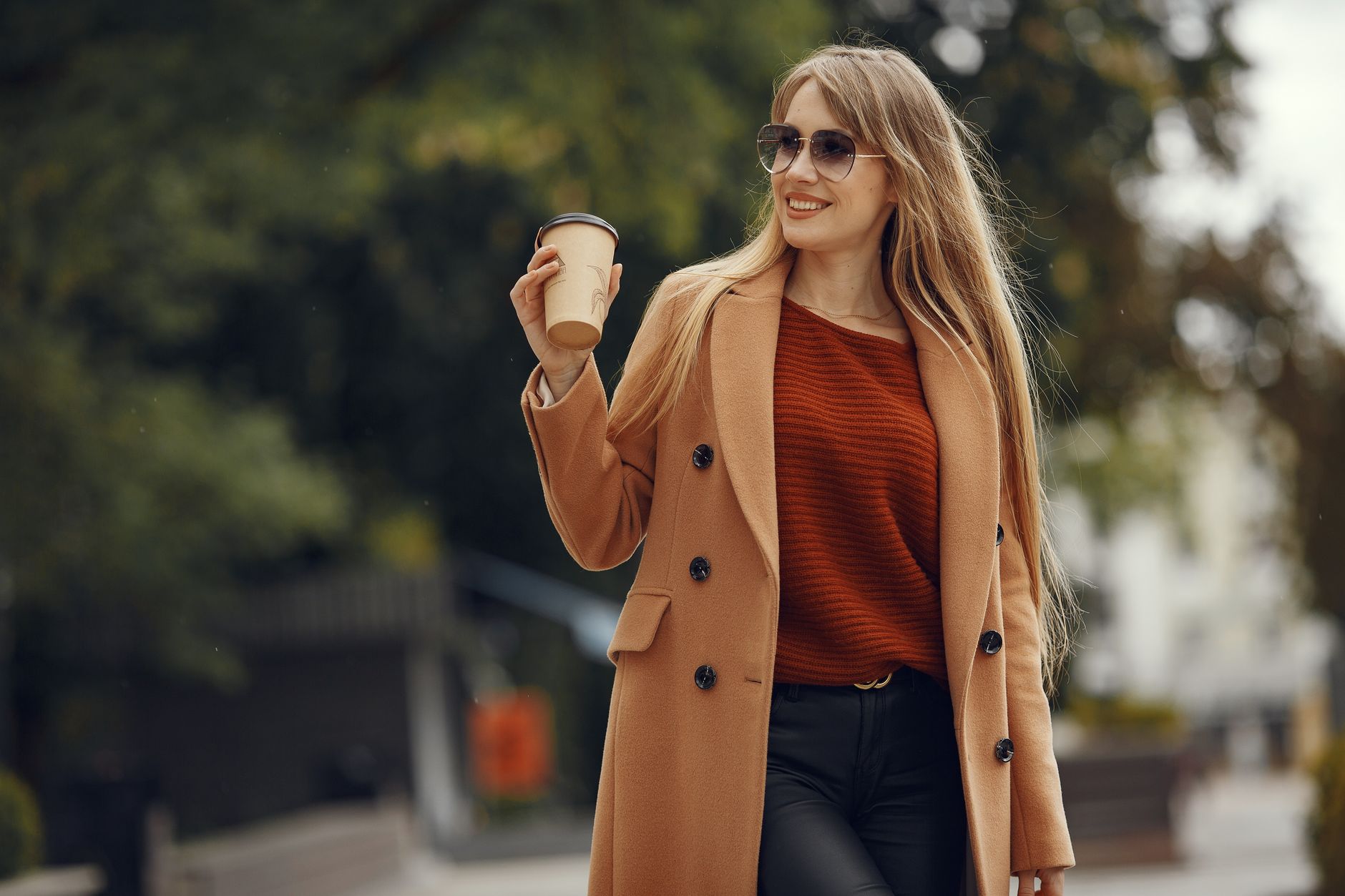
The camel is the middle register and the most demanding of the three. It is unforgiving on cheap fabric because the colour shows every flaw in the weave. A camel coat in a poor wool blend looks flat and slightly orange. The same shade in a wool and cashmere mix looks like money. If your budget is tight, spend it here rather than anywhere else in the palette.
Chocolate
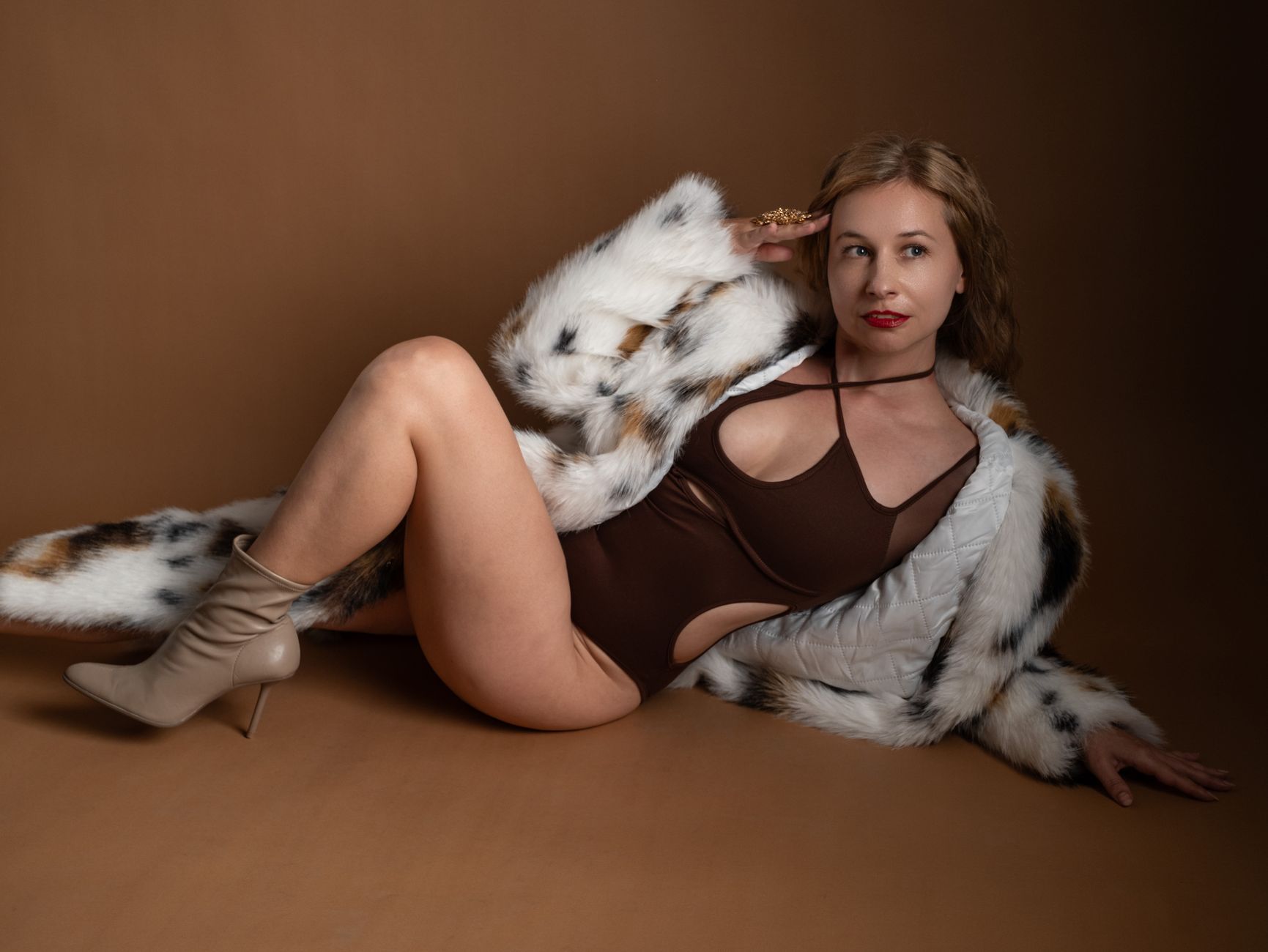
The chocolate is the tone that has moved fastest this year. It is doing the job black used to do, which is to anchor an outfit, but it does it with considerably more depth. Chocolate works best in leather, suede, corduroy and heavy knits, where the texture catches light and stops the colour from reading as heavy.
How the palette is being worn this season
The dominant approach is tonal rather than contrasted. Rather than pairing brown with black or navy, stylists are stacking all three shades in a single outfit and letting texture do the work that colour usually does. An almond knit over chocolate trousers with a camel coat over the top is the formula you will see repeated through fashion month in September.
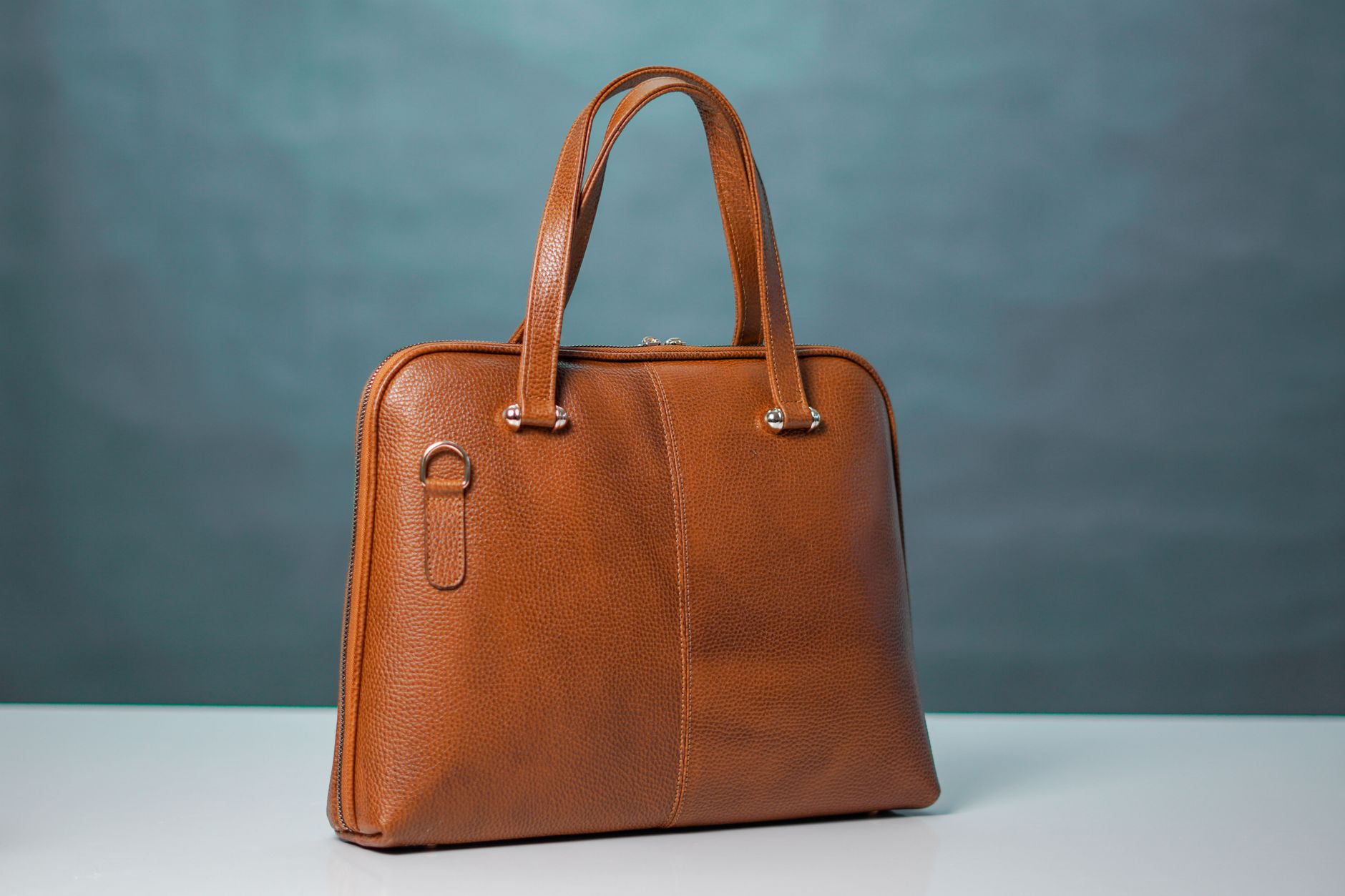
The second approach is what editors have started calling the single anchor. One large piece in chocolate, usually a coat or a bag, worn with an otherwise neutral outfit. It requires no thought and almost never fails, which is why it has spread so quickly.
The mistake to avoid is mixing warm brown with cool grey. The two undertones fight each other and the result looks accidental rather than considered. If you want to break the palette, break it with cream, with a deep burgundy, or with the olive that has quietly become brown's most reliable partner.
Where to buy it at every price
The high street understood this trend early, which means the gap between the luxury version and the affordable one is narrower this season than it has been in years. The table below compares the pieces worth your attention.
| Piece | Luxury option | Approximate price | High street match | Approximate price | What you give up |
|---|---|---|---|---|---|
| Camel coat | The Row wool and cashmere coat | 4,500 USD and up | Mango wool blend coat | 200 USD | Drape and shoulder construction, not colour accuracy |
| Chocolate leather bag | Bottega Veneta padded shoulder bag | 3,500 USD and up | Massimo Dutti soft leather shoulder bag | 250 USD | Hardware weight and leather grain |
| Almond cashmere knit | Loro Piana crewneck | 1,400 USD and up | Uniqlo premium cashmere crewneck | 130 USD | Ply count and how it looks after twenty washes |
| Chocolate suede boot | Toteme ankle boot | 900 USD and up | Arket suede boot | 220 USD | Sole construction and resole potential |
| Camel wide leg trouser | Toteme wool trouser | 550 USD and up | COS wool blend trouser | 135 USD | Fabric weight and how the hem falls |
Two notes on the table. First, prices move constantly and vary between the US and UK sites, so treat these as a guide rather than a quote. Second, the high street matches listed here were chosen because the colour is genuinely accurate. A great deal of what is sold as camel this season is closer to tan or to a muddy beige, and the difference is obvious the moment the garment leaves the shop lighting.
The pieces that already nailed it
Three high street ranges deserve specific credit this season. Massimo Dutti has been building a brown story for several seasons and its leather and suede in particular now sits well above its price point. Arket has the most accurate almond in the mass market, especially in its knitwear. COS remains the strongest option for chocolate tailoring, where the cut is clean enough that the colour carries the piece.
If you buy only one thing from this palette, make it something you will wear against your face, because that is where the warmth pays you back.
Frequently asked questions
Does brown work if you have cool undertones in your skin?
Yes, but the shade matters. Cool complexions look better in the greyer, cooler browns such as taupe and mushroom, and in true chocolate, which is deep enough to behave like a neutral. The shade to approach with caution is a warm golden camel, which can pull sallow. Wearing it away from the face, as trousers or a bag, solves the problem entirely.
Is this palette going to date quickly?
Less than most trend colours. Brown neutrals have a long history of cycling back every few years and they rarely look absurd in old photographs the way a seasonal brights palette can. The exception is anything with a very specific silhouette attached, so buy the colour in classic shapes and treat the trend led cuts as short term.
What shoes work with a head to toe brown outfit?
Chocolate suede or a deep burgundy leather. Black shoes will flatten the whole thing, and white trainers, while common, break the tonal effect that makes the look work in the first place.
How do I stop camel looking cheap?
Buy for fabric rather than for cut. Camel exposes synthetic content more than any other colour in the palette. Look for a wool content above seventy percent, check the colour in daylight before committing, and avoid any camel garment with a visible sheen.
Can I wear brown to the office?
Chocolate tailoring is now as formal as navy in most workplaces, and considerably more interesting. Keep the silhouette sharp and the palette tonal and it reads as deliberate rather than casual.
The Velvet verdict
Brown is not a risk this season, it is the default, and that is precisely why the interesting purchases are the ones with texture. Anyone can buy a camel coat. The pieces that will still look good in 2028 are the suede, the corduroy and the heavy knits, because texture is the thing that separates a palette from a uniform.