

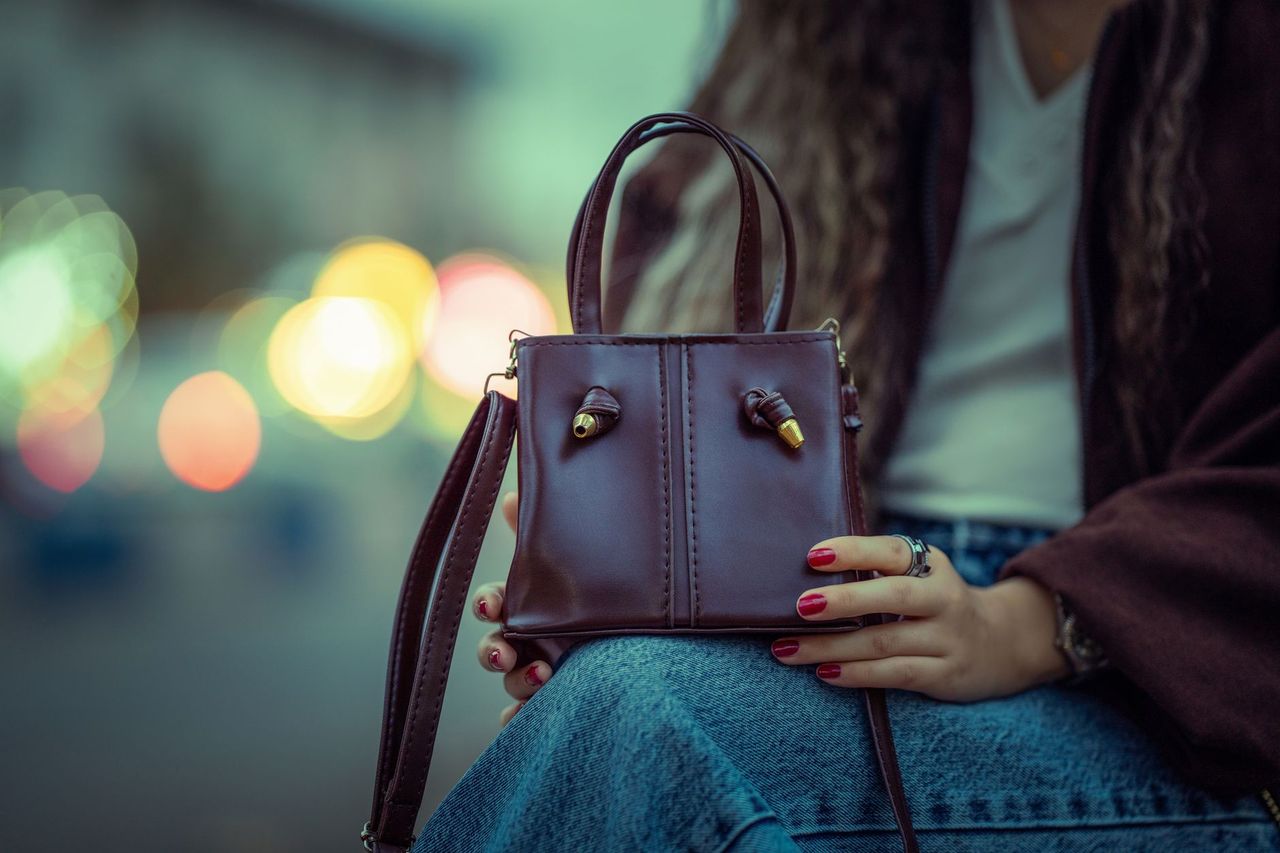
You noticed it before you thought about it. A burgundy bag on a friend, then on a stranger, then on four separate accounts in the same afternoon. Within a season, a colour that nobody was carrying became the only colour anyone was carrying.
This feels like a spontaneous collective decision. It is almost entirely the opposite. Colour is the most planned element in fashion, decided further in advance than silhouette, fabric or price, and the burgundy moment was scheduled roughly two years before you saw it.
How a colour actually arrives
The chain runs longer than most people assume.
Two years out, forecasting agencies publish
Firms such as WGSN and colour authorities including Pantone issue seasonal direction to mills, brands and retailers. These are not predictions in the ordinary sense. They are coordination documents. Once enough of the industry acts on the same forecast, the forecast becomes correct.
Eighteen months out, mills dye
Fabric is produced in the selected shades because manufacturing at scale requires committing long before a garment is designed. At this point the season's palette is effectively fixed.
Twelve months out, luxury houses design
The colour appears in collections, which are shown six months before they reach stores.
Six months out, the high street reacts
Fast retailers work from runway images and their own forecasting, and colour is the cheapest element to copy, since dyeing an existing product costs far less than reengineering a shape.
Zero, you see it everywhere at once
The reason it feels sudden is that the entire supply chain arrives at retail simultaneously. Nobody drifted toward burgundy. Everybody was already holding it.
Why burgundy, and why now
Colour cycles are not random, and they follow a reasonably consistent logic.
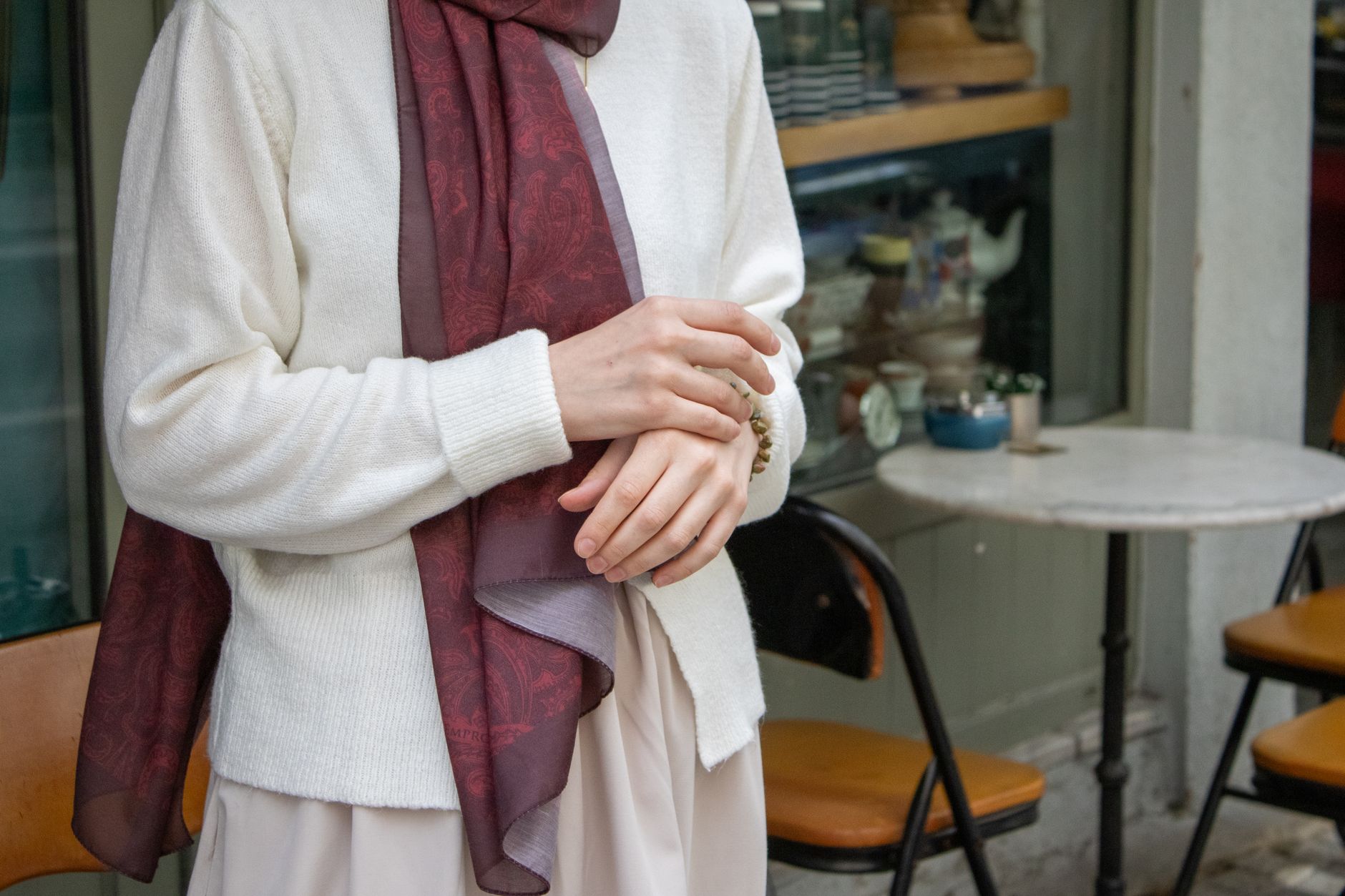
The industry alternates between expansion and contraction. Bright, saturated, optimistic palettes tend to accompany confident markets. Deep, muted, expensive looking palettes accompany cautious ones. Burgundy belongs firmly to the second group. It reads as serious, it photographs as rich, it is a colour associated with wine, leather bindings and heavy furniture, all of which signal permanence.
It is also the perfect companion to the brown neutrals that have dominated the last several seasons. Burgundy is the only strong colour that sits comfortably next to chocolate, camel and almond without breaking the tonal effect. When a neutral palette has run for four seasons, the industry needs an accent that will not disrupt it, and burgundy is the obvious answer.
The six year framing in the headline is a rough pattern rather than a law. Deep reds surface reliably every few years, usually at the point where a neutral cycle needs refreshing without being abandoned. The interval varies. The mechanism does not.
The accessory is always the entry point
There is a reason this arrived as a bag rather than as a coat.
Accessories are how a colour trend is monetised. A customer who already owns four neutral coats will not buy a fifth in burgundy. She will buy one bag, which delivers the entire colour statement for a fraction of the price and does not require anything else in her wardrobe to change.
For brands, accessories carry the highest margins and the lowest sizing risk. For customers, they carry the lowest commitment. That alignment is why almost every colour trend of the last decade has entered through bags and shoes rather than through clothing.
How to buy into a colour cycle without regretting it
| Purchase | Risk level | Rule |
|---|---|---|
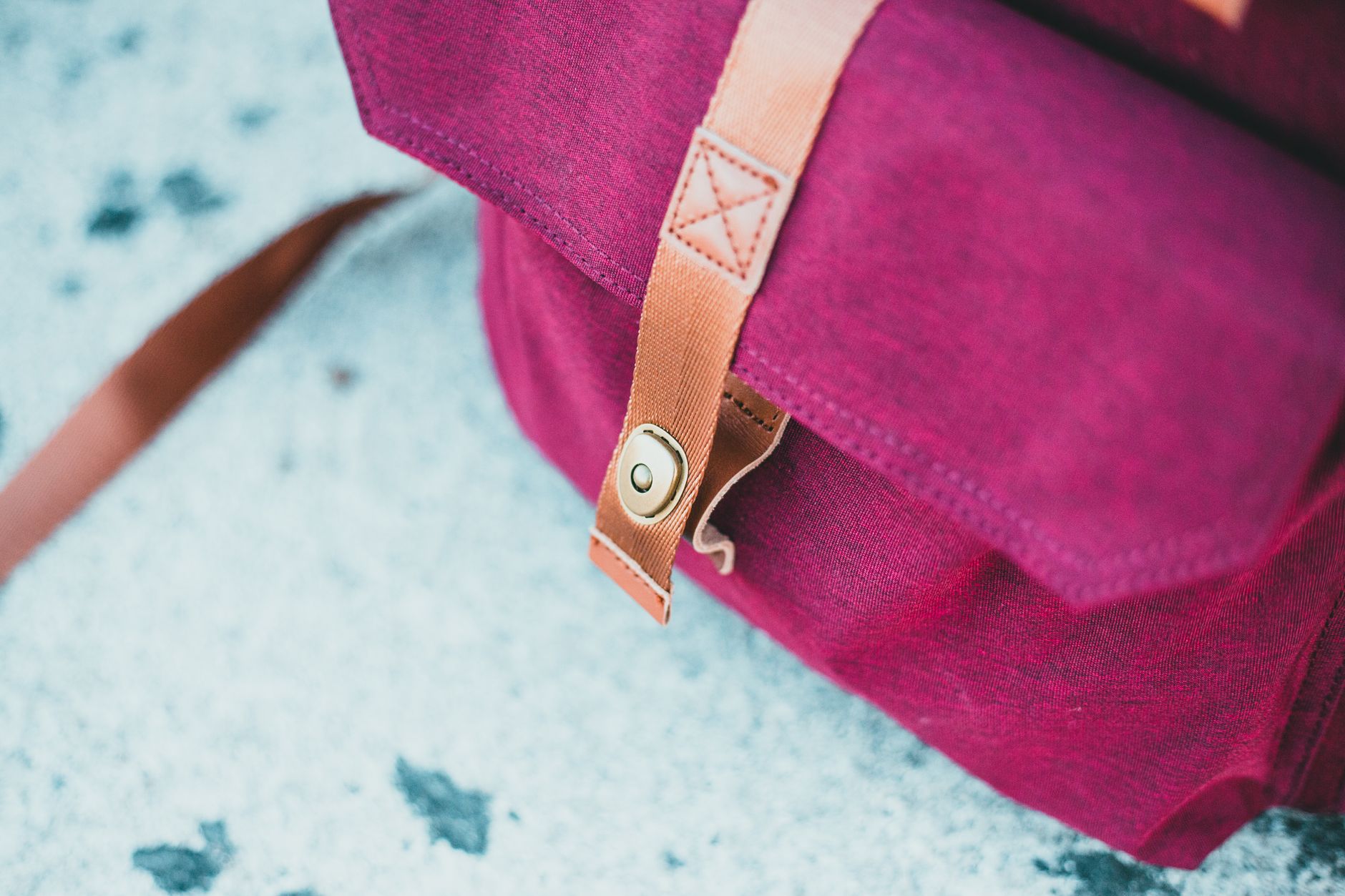
| Bag in the trend colour | Low to medium | Buy in a classic shape, since a trend colour on a trend silhouette dates twice |
| Knitwear | Low | Cheap to replace, high wear count, easy to move on |
| Shoes | Medium | Works if the shape is timeless, fails quickly if the shape is not |
| Coat | High | The most visible item in a wardrobe, therefore the most memorable and the hardest to repeat |
| Full outfit in the colour | Very high | Reads as a costume within two seasons |
The general principle is that the more expensive the item, the more conservative the colour should be, with one exception. If a colour has appeared in your wardrobe repeatedly across several unrelated cycles, it is not a trend for you, it is a preference, and buying it in something permanent is a sound decision.
What comes next
Forecasting the next accent is less useful than understanding the direction. Given that the current cycle is built on restraint, expensive looking neutrals and a slowing luxury market, the likely successors are colours that carry the same seriousness. Deep greens, inky navy and a warm rust are the most plausible candidates.
What is unlikely, at least until the market's mood shifts, is a return to saturated brights. Those come back when confidence does.
Frequently asked questions
Who decides fashion colours?
No single body does, but forecasting agencies such as WGSN and colour institutes including Pantone publish direction that mills, brands and retailers act on collectively, roughly two years ahead. The coordination is what makes the forecast self fulfilling.
How far in advance are colours chosen?
Fabric mills typically commit around eighteen months to two years before a garment reaches a shop, because dyeing and weaving at scale cannot be done quickly.
Is burgundy going to date?
As a dominant trend, yes, probably within two to three seasons. As a colour, it has been in continuous use for decades and returns frequently, which is why buying it in a classic bag shape is considerably safer than buying it in a statement coat.
Why do so many colour trends arrive as bags?
Because accessories carry the colour without requiring the rest of a wardrobe to change, they have no sizing risk, and they are the most profitable way for a brand to sell a trend.
Does the colour cycle actually repeat on a fixed schedule?
Not precisely. The pattern is real but the interval varies, driven by economic mood, the length of the preceding cycle and how quickly the previous accent saturated the market.
The Velvet verdict
The interesting thing about a colour trend is not the colour. It is the reminder that the moment something feels like a spontaneous collective impulse, it has usually been on a mill's production schedule for eighteen months. Buy the burgundy bag if you like burgundy. Just do not mistake the feeling of discovery for the fact of it.