

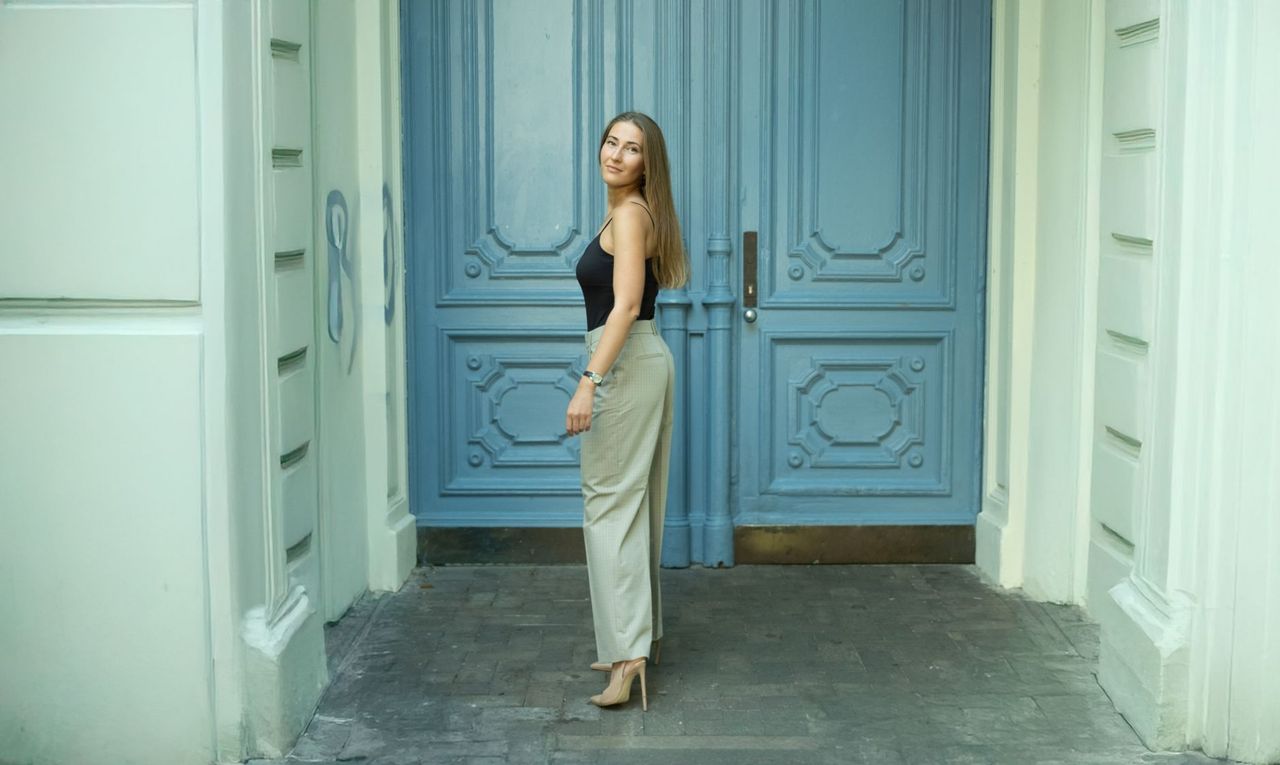
Quiet luxury is usually explained as a matter of taste. Logos became vulgar, restraint became sophisticated, and the culture moved on. That account is comfortable and largely wrong.
The more accurate explanation is economic. Restraint became fashionable at precisely the moment the luxury market began contracting, and the two things are connected in ways that are worth understanding before you spend money on a beige coat.
The numbers underneath the aesthetic
Industry analysis from Bain and Company and Altagamma has tracked a sharp decline in the number of active luxury consumers, falling from roughly four hundred million in 2022 to around three hundred and forty million by 2025. New customer acquisition dropped by approximately five percent in the most recent year measured, and spending patterns shifted away from large purchases toward experiences, resale and smaller indulgences.
That is sixty million people leaving the category in three years.
Everything about the current aesthetic follows from that fact. When a market loses its aspirational middle, what remains is a smaller, wealthier, more informed group of buyers. Design languages aimed at impressing strangers stop working, because the strangers are no longer buying. Design languages aimed at signalling to peers work better, because peers are all that is left.
What quiet luxury actually signals
The claim is that it signals taste. What it more precisely signals is information.
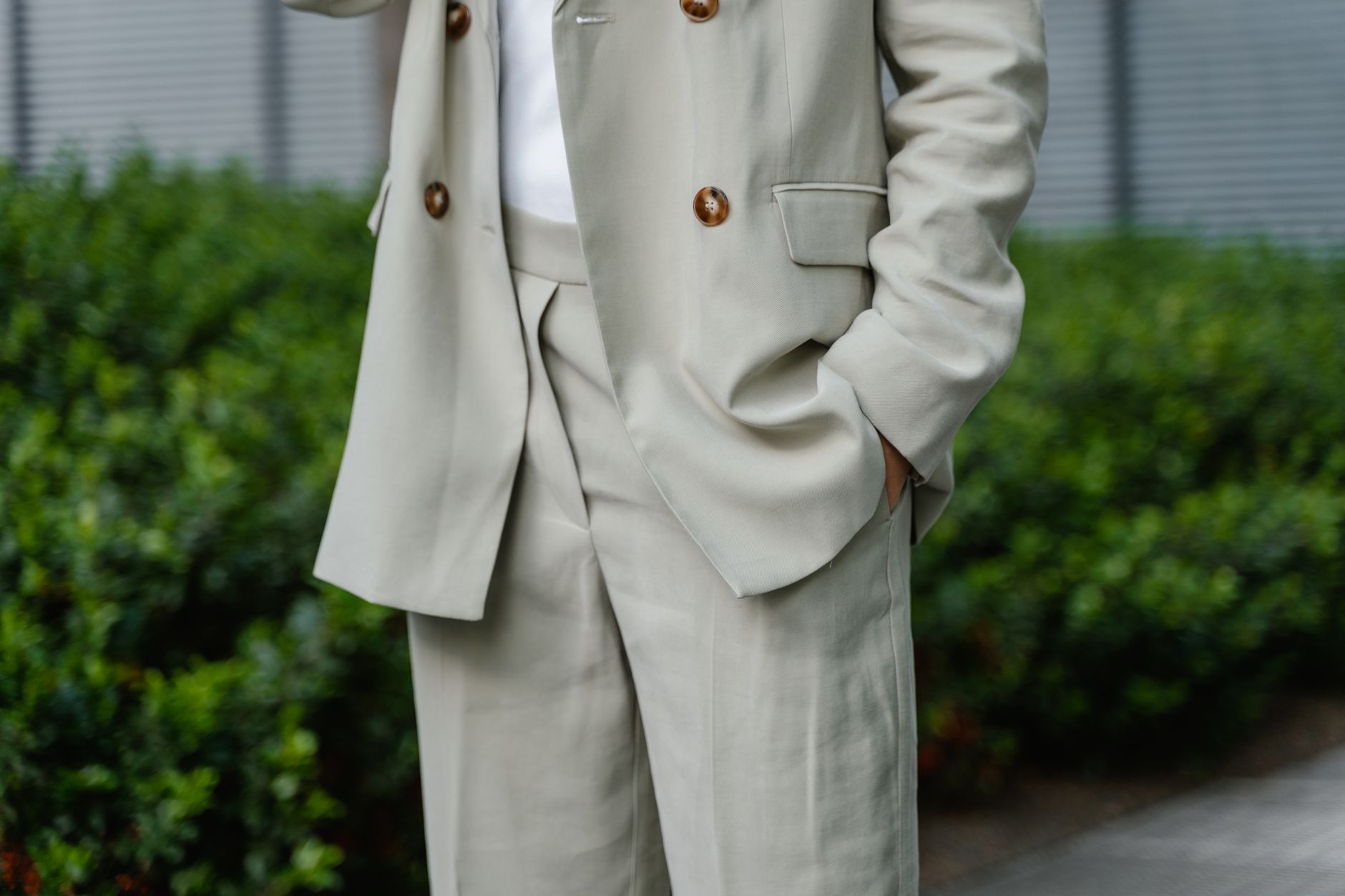
A visible logo communicates one thing to everyone, which is that this item was expensive. A logo free coat communicates nothing to most people and something quite specific to a small group who recognise the cut, the fabric or the shoulder line. The second is a more efficient signal in a smaller market, because it filters the audience automatically.
This is why the aesthetic reads as old money. It is not that inherited wealth dresses this way, though it sometimes does. It is that recognition without explanation is the structure of inherited status generally, and fashion has borrowed the grammar.
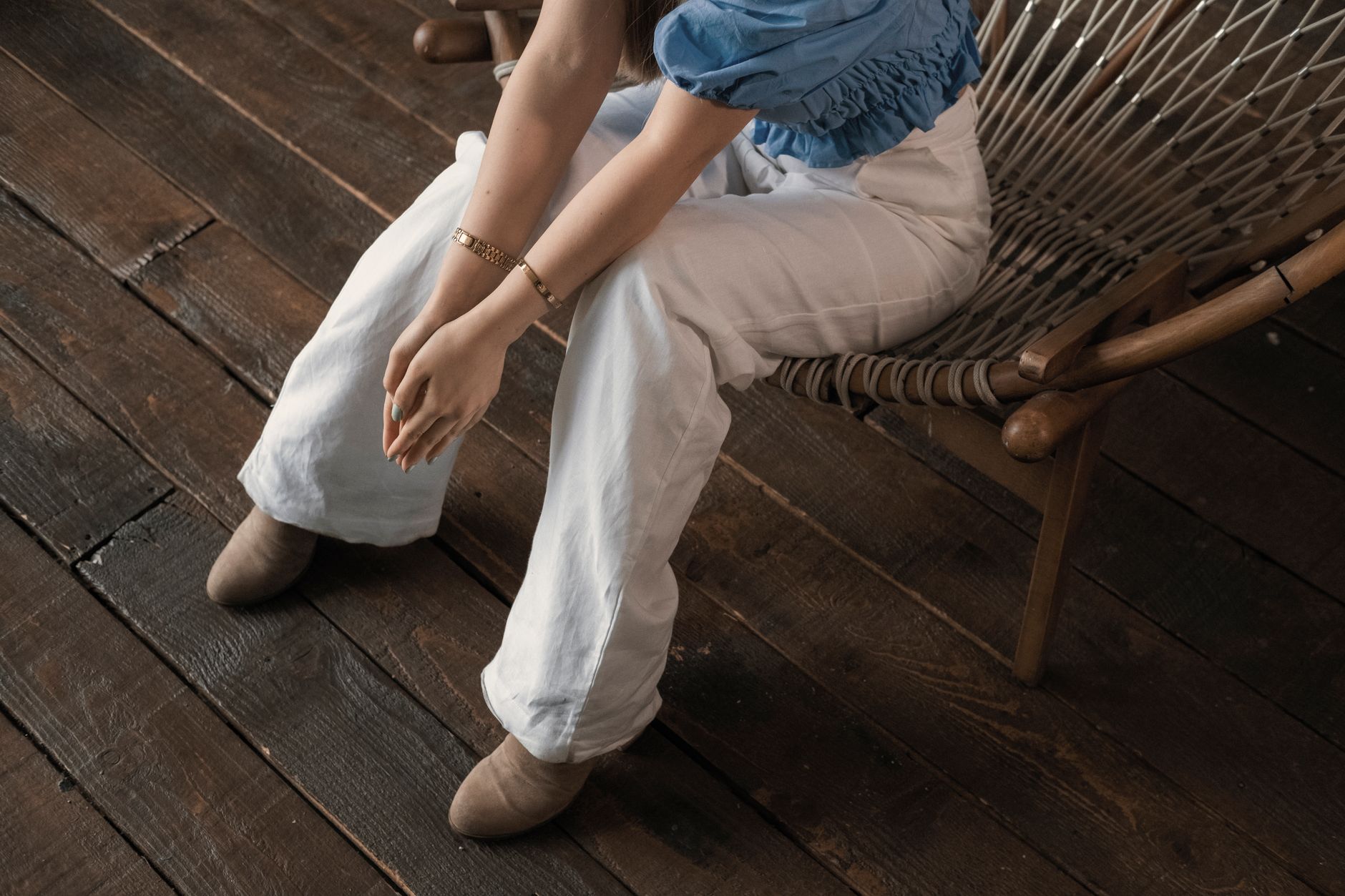
The three groups the current aesthetic actually serves
Those buying at the top
For them, quiet luxury is not restraint, it is precision. A four thousand dollar coat with no branding is a purchase that only other people who have priced that coat can identify. That is the point.
Those buying just below
The most interesting group, because the aesthetic is unusually generous to them. A palette of neutrals, simple silhouettes and matte textures is the easiest luxury language in history to approximate cheaply, since the difference lives in fabric quality rather than in design complexity or hardware. This is the entire reason the high street version has been so successful.
Those buying nothing
The third group is real and rarely mentioned. For a substantial number of people, the current aesthetic is a way of participating in fashion conversation without participating in fashion spending, since the look is achievable with clothes they already own.
The uncomfortable part
There is a critique worth taking seriously.
An aesthetic built on invisible signals is, structurally, an aesthetic that rewards people who already know the codes. Logo led fashion, whatever else it was, was legible to everyone. A monogram is democratic in a narrow sense, since anybody could read it and anybody who saved could buy it. A coat recognisable only by its shoulder line is not.
There is a version of quiet luxury that is genuinely about longevity, repairability and buying less, which is a defensible response to overconsumption. There is another version that is simply a more exclusive form of display. Both are in circulation, frequently in the same wardrobe, and it is worth being honest about which one you are buying.
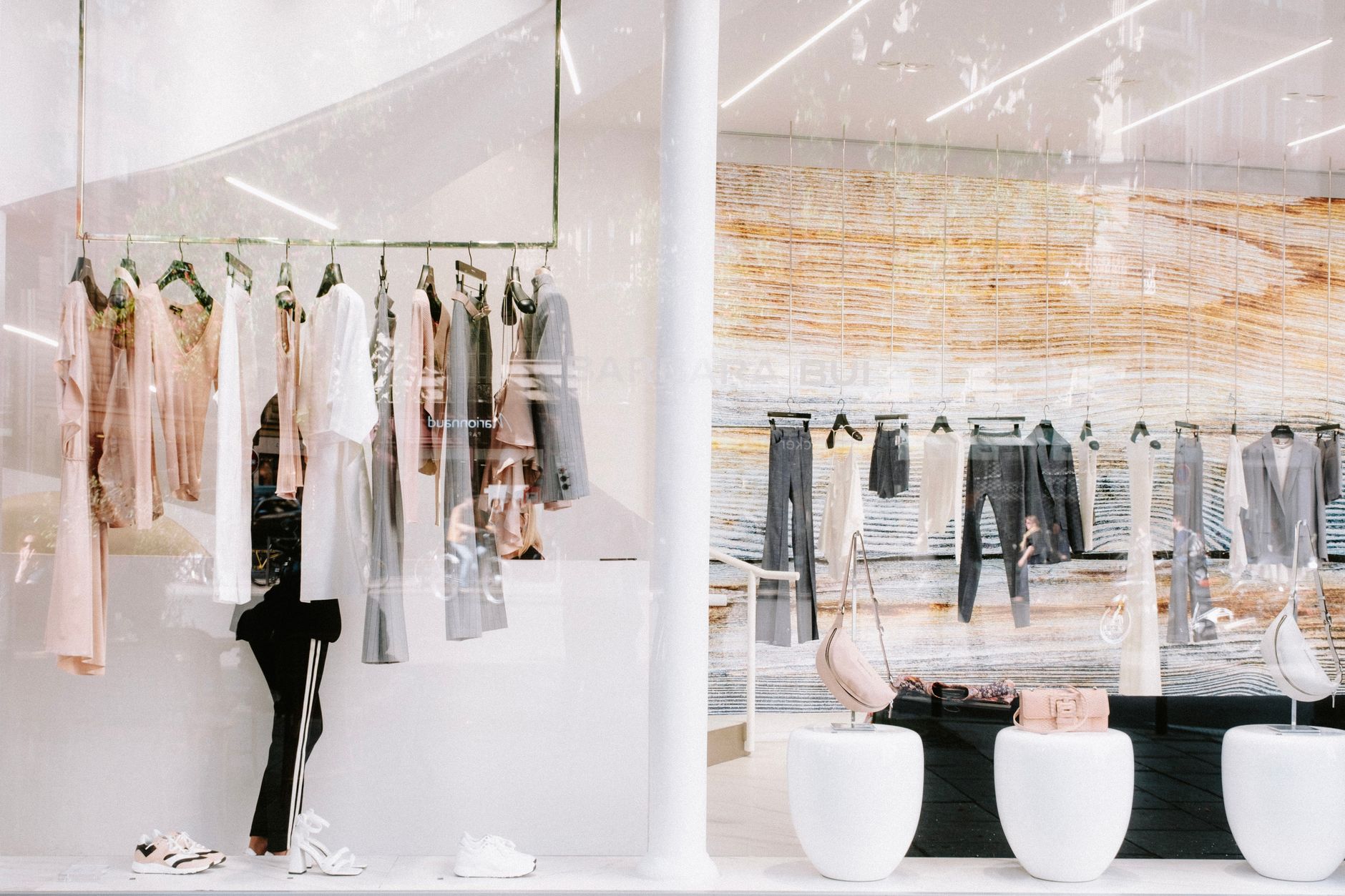
What houses are doing about it
The commercial response to the contraction has been consistent across the industry. Houses have prioritised creative leadership, brand stability and succession planning over individual authorship, betting that a clear singular vision restores desirability faster than product churn does.
The result is the wave of creative director appointments that has defined 2026, with nearly fifteen major houses introducing new leaders in a single cycle. That is not a coincidence of timing. It is a sector attempting to manufacture reasons to care in a market where fewer people are buying.
The other response is craft. When you cannot compete on visibility, you compete on what cannot be copied, which is material quality, atelier skill, repair services and resale performance. Almost every debut collection of the last two years has leaned on craftsmanship as its central argument.
How to buy well in this environment
| Position | The trap | The better move |
|---|---|---|
| Buying at the top | Paying a premium for anonymity itself, where the price is the only signal | Buy where construction and resale performance are demonstrable |
| Buying below it | Assuming a neutral palette alone reads as expensive | Spend on texture and outerwear, since those are what survive scrutiny |
| Buying secondhand | Chasing hyped models at inflated resale | Buy classic configurations, which are the only ones holding value |
| Buying nothing new | Feeling excluded | This aesthetic is the most achievable in decades from an existing wardrobe |
Frequently asked questions
Is quiet luxury over?
The term is exhausted, the aesthetic is not. Restrained palettes, minimal branding and craft focused marketing remain the dominant language across the industry, and the economic conditions that produced them have not reversed.
Why did luxury logos fall out of favour?
Partly taste and partly market structure. As the aspirational customer base contracted, design aimed at broad recognition became less commercially useful than design aimed at a smaller, better informed group.
Is quiet luxury just an excuse to charge more for plain clothes?
Sometimes, yes. A plain garment with excellent fabric and construction is a genuine product. A plain garment with ordinary fabric and a high price is trading on the aesthetic alone, and the difference is visible on inspection.
Does buying quiet luxury actually save money?
Only if you buy fewer things and keep them longer, which is the version of the idea worth defending. Buying an entirely new neutral wardrobe in order to look like you buy less is the version worth avoiding.
What comes after this?
Historically, restraint cycles end when confidence returns, and they end with colour, print and visible decoration. Nothing in the current market data suggests that has begun.
The Velvet verdict
Quiet luxury is a market condition dressed as a moral position. That does not make it wrong, and the practical advice it produces, meaning buy fewer things, buy better fabric, look after them, is sound regardless of why the industry arrived at it. Just be clear that you are following an economic weather pattern rather than discovering good taste.