

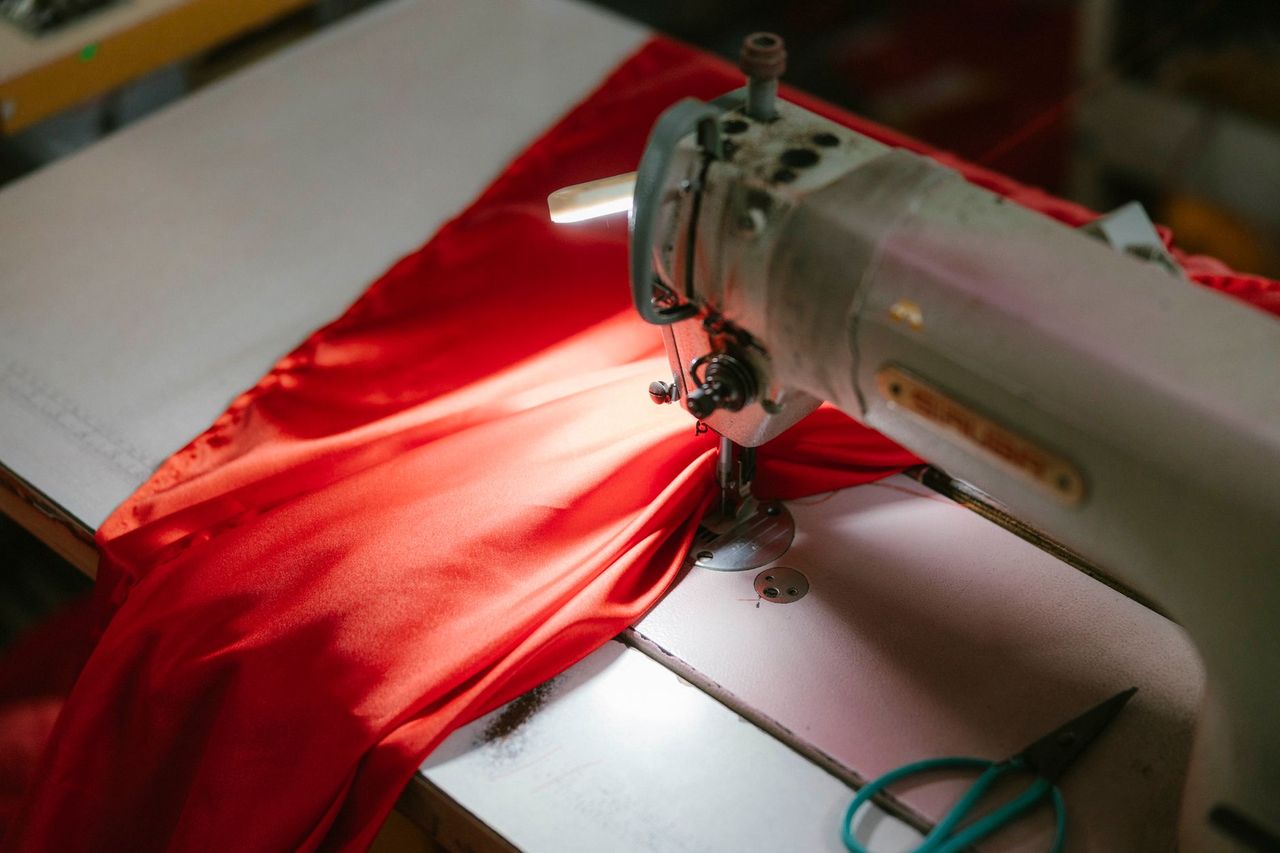
The single largest visible difference between expensive clothing and inexpensive clothing is not fabric. It is fit. Fabric is a close second, but fit is what people register from across a room without knowing they have registered it.
High street clothes are cut for an average that does not exist. Every garment on a rail is a compromise between thousands of bodies. A tailor removes the compromise, usually for less than the cost of a second knit, and the result is the closest most people will get to made to measure.
Here are the seven interventions with the highest return, roughly in order of value per dollar.
One. Hemming trousers to your actual shoes
Around 15 to 25 dollars
The highest value alteration in existence and the most neglected. Trouser length is calculated for a standard inseam and a standard heel height, and almost nobody has both.
The rule is that the hem should break once, softly, on the front of the shoe, or sit just above the ankle for a cropped shape. More than one fold at the front means it is too long, and a hem that swings free at the back means it is too short.
Take the shoes you actually wear to the fitting. If you wear both flats and a low heel, hem for the flats and accept a slightly longer line with the heel.
Two. Taking in the waist of trousers and skirts
Around 20 to 35 dollars
Most people fit trousers to their hips and then live with a gap at the waist. A centre back seam adjustment removes it and instantly changes how the whole garment hangs, because a waistband sitting flush distributes the weight of the fabric evenly.
This is why buying a size up and having the waist taken in produces a better result than buying the smaller size and forcing it. Always fit for the widest point and alter the rest.
Three. Shortening sleeves
Around 20 to 40 dollars, more on a jacket with buttons
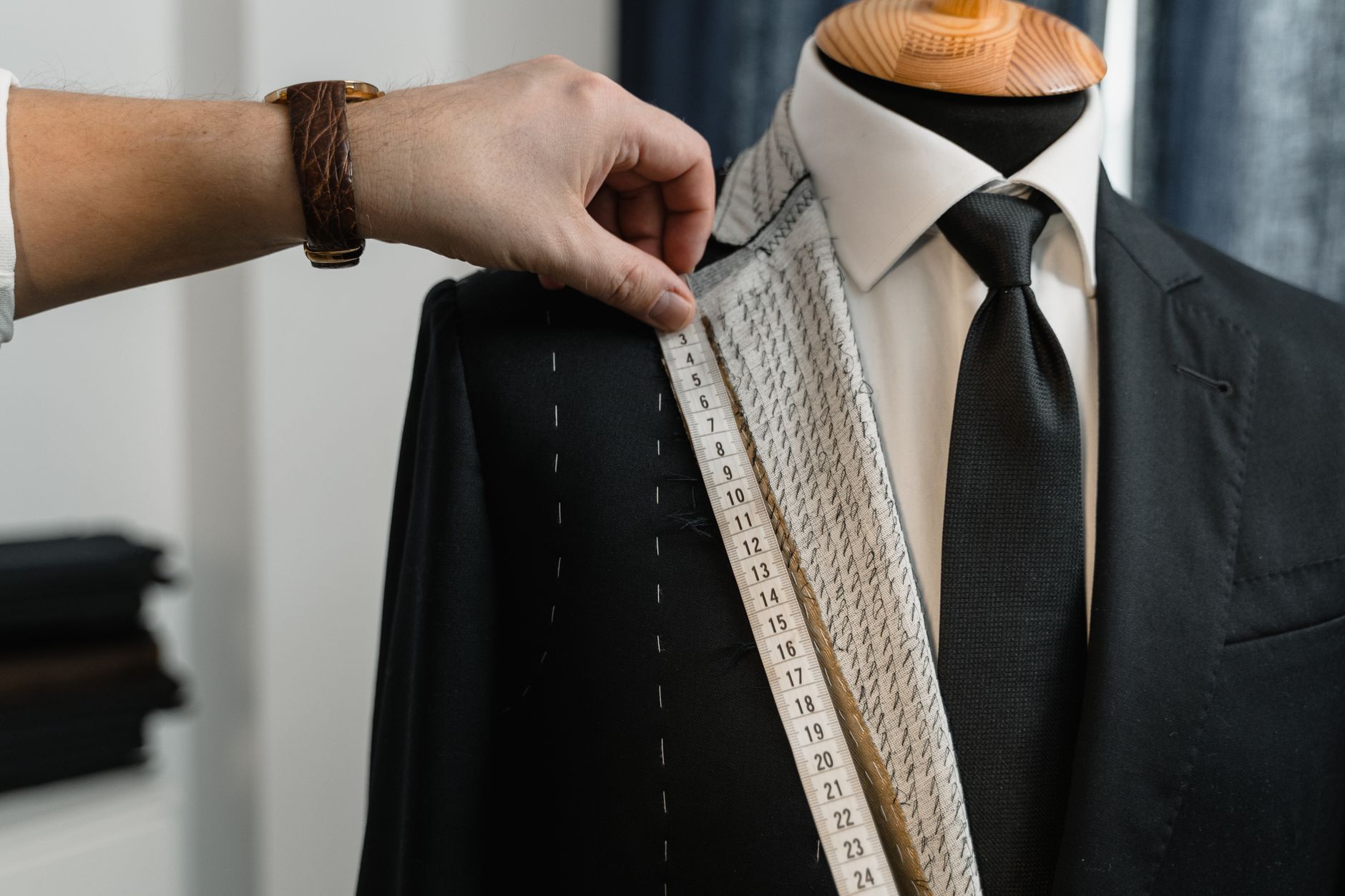
Sleeve length is where a jacket declares its price. The correct length shows roughly a centimetre of shirt cuff, or ends at the wrist bone with no shirt underneath. Long sleeves make a jacket look borrowed.
On a coat, this is the difference between an eighty dollar coat looking cheap and looking considered. On a knit, a tailor can shorten the cuff and reattach the ribbing for very little.
Four. Adjusting the shoulder of a knit or a shirt
Around 25 to 45 dollars
The shoulder seam should sit at the edge of your shoulder for a fitted garment or deliberately beyond it for an oversized one. What does not work is a seam sitting slightly off the shoulder by accident, which is the default state of most mass market clothing.
This is worth doing on shirts and knitwear. It is worth doing on a tailored jacket only if the jacket is genuinely good, since jacket shoulders are the most complex and expensive alteration in the trade and can exceed a hundred dollars.
Five. Replacing the buttons
Around 10 to 30 dollars including the buttons
Not strictly tailoring, and possibly the highest ratio of visual improvement to cost available anywhere in fashion.
Mass market coats and blazers use lightweight plastic buttons that catch light in an obviously cheap way. Replacing them with horn, corozo or a heavier resin transforms the garment. Take the coat to a haberdashery, hold candidates against the fabric in daylight, and have a tailor sew them on properly with a shank.
Six. Tapering a sleeve or a leg
Around 25 to 40 dollars
A slightly too wide sleeve or a leg with excess fabric through the calf reads as a garment that does not belong to you. Tapering brings the line back to the body and costs very little.
This is particularly effective on high street blazers, which are almost always cut with generous sleeves, and on trousers where the seat fits but the leg does not.
Seven. Adding a lining or a hem weight
Around 30 to 50 dollars
The reason expensive coats and skirts hang beautifully is often not the outer fabric at all. It is what is inside. A chain weight in the hem of a coat, borrowed directly from Chanel's construction, makes the garment fall straight and move properly. A proper lining in an unlined skirt stops it clinging and improves the drape immediately.
This is the most invisible of the seven and the one that most closely mimics genuine luxury construction.
The economics, plainly
| Alteration | Typical cost | Visual impact | Do it on |
|---|---|---|---|
| Trouser hem | 15 to 25 USD | Very high | Every trouser you own |
| Waist adjustment | 20 to 35 USD | High | Trousers and skirts bought for the hip |
| Sleeve shortening | 20 to 40 USD | High | Coats, jackets, knitwear |
| Shoulder adjustment | 25 to 45 USD | Medium to high | Shirts and knits, rarely jackets |
| Button replacement | 10 to 30 USD | High for the price | Any coat or blazer under 300 USD |
| Tapering | 25 to 40 USD | Medium | Blazer sleeves, trouser legs |
| Lining or hem weight | 30 to 50 USD | Medium, but very luxurious | Coats and unlined skirts |
Prices vary considerably by city. A full set of alterations on a coat, meaning sleeves, buttons and a hem weight, typically runs sixty to a hundred dollars and can genuinely double how expensive a garment appears.
What not to alter
Knowing where to stop saves money.
Anything where the fabric is the problem. No alteration fixes thin, shiny or pilling fabric.
Jacket shoulders on a cheap jacket, since the cost approaches the price of a better jacket.
Anything you are not certain you will wear repeatedly. Alterations are not recoverable and they eliminate resale value.
Very stretchy or heavily seamed garments, where the alteration frequently distorts the original shaping.
Frequently asked questions
How much should alterations cost?
Simple hems and waist adjustments typically run fifteen to thirty five dollars, sleeves and tapering twenty to forty five, and structural work considerably more. Prices vary widely by location, so ask for a quote before agreeing.
Is it worth altering cheap clothes?
Frequently yes, provided the fabric is decent. A hundred dollar coat with sleeves shortened and buttons replaced will outperform a two hundred dollar coat straight off the rail. The rule is to alter anything you will wear more than twenty times.
What should I ask for when I go to a tailor?
Wear the shoes and the undergarments you will wear with the item, stand normally rather than posing, and say what bothers you rather than prescribing the fix. A good tailor will tell you what is possible and what is not.
Can knitwear be altered?
Sleeves can usually be shortened and ribbing reattached, and side seams can sometimes be taken in. Complex reshaping of a knit is rarely worth the cost.
Does altering a garment affect resale value?
Yes, almost always downward, particularly for designer pieces where original proportions matter to buyers. Alter what you intend to keep and leave anything you may sell alone.
The Velvet verdict
Nobody looks at a coat and thinks about its construction. They look at it and decide, in under a second, whether it fits. Sixty dollars spread across a hem, a set of buttons and a sleeve will do more for that judgement than six hundred dollars spent moving up a price tier.