

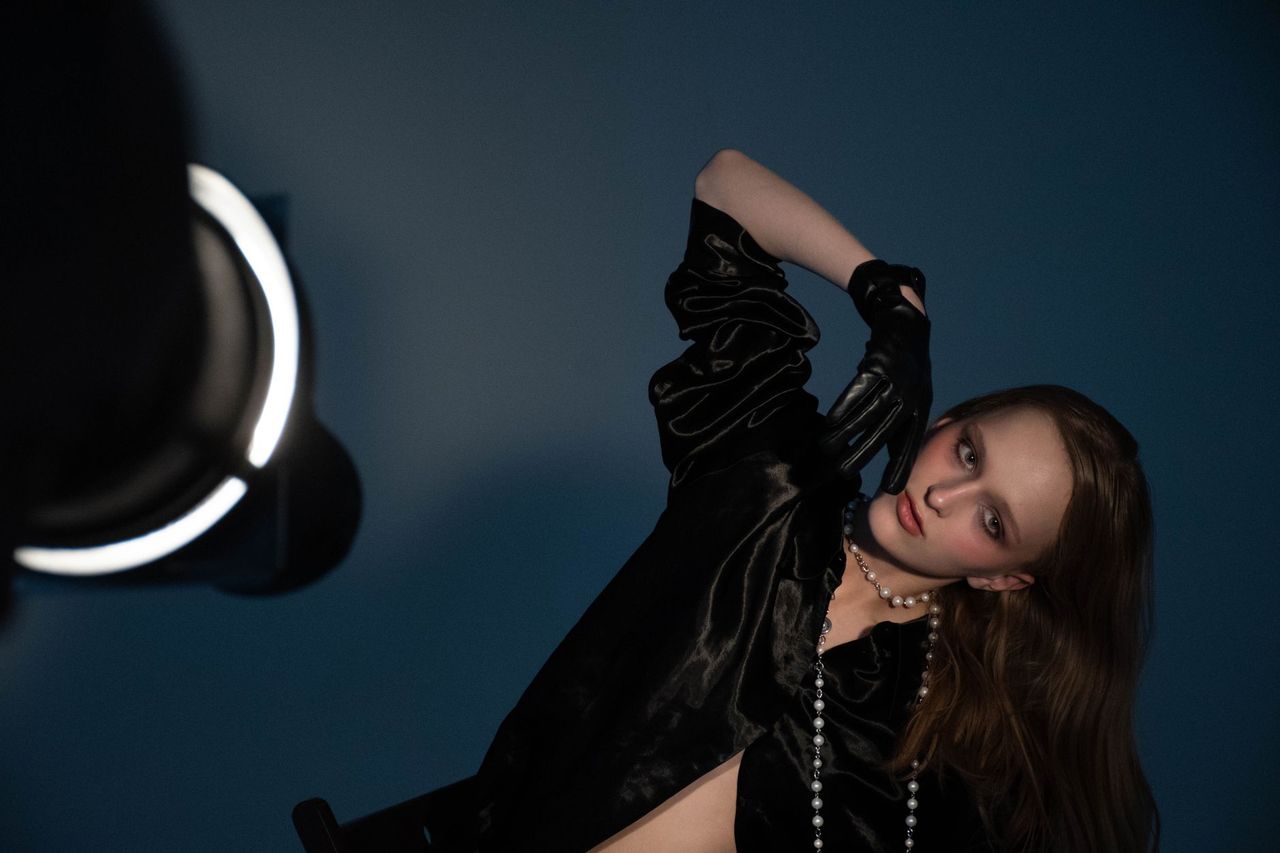
You get dressed, you look in the mirror, you are satisfied. Someone takes a photograph and the entire outfit collapses. The colours look flat, the fabric looks thin, the proportions look wrong, and the coat you were pleased with an hour ago looks like something bought in a hurry.
This is not vanity or bad luck. A camera processes clothing differently from an eye, and the differences are consistent enough to be worked around. Here is what actually happens and what people who photograph clothes professionally do about it.
Why the camera is not lying, exactly
Four technical things happen between an outfit and an image.
Compression flattens texture
Depth of weave, nap and pile are the main things a camera loses. This is why a good wool coat and a cheap one look far more similar in a photograph than in life, and why texture has to be exaggerated rather than subtle to survive.
Flash destroys fabric
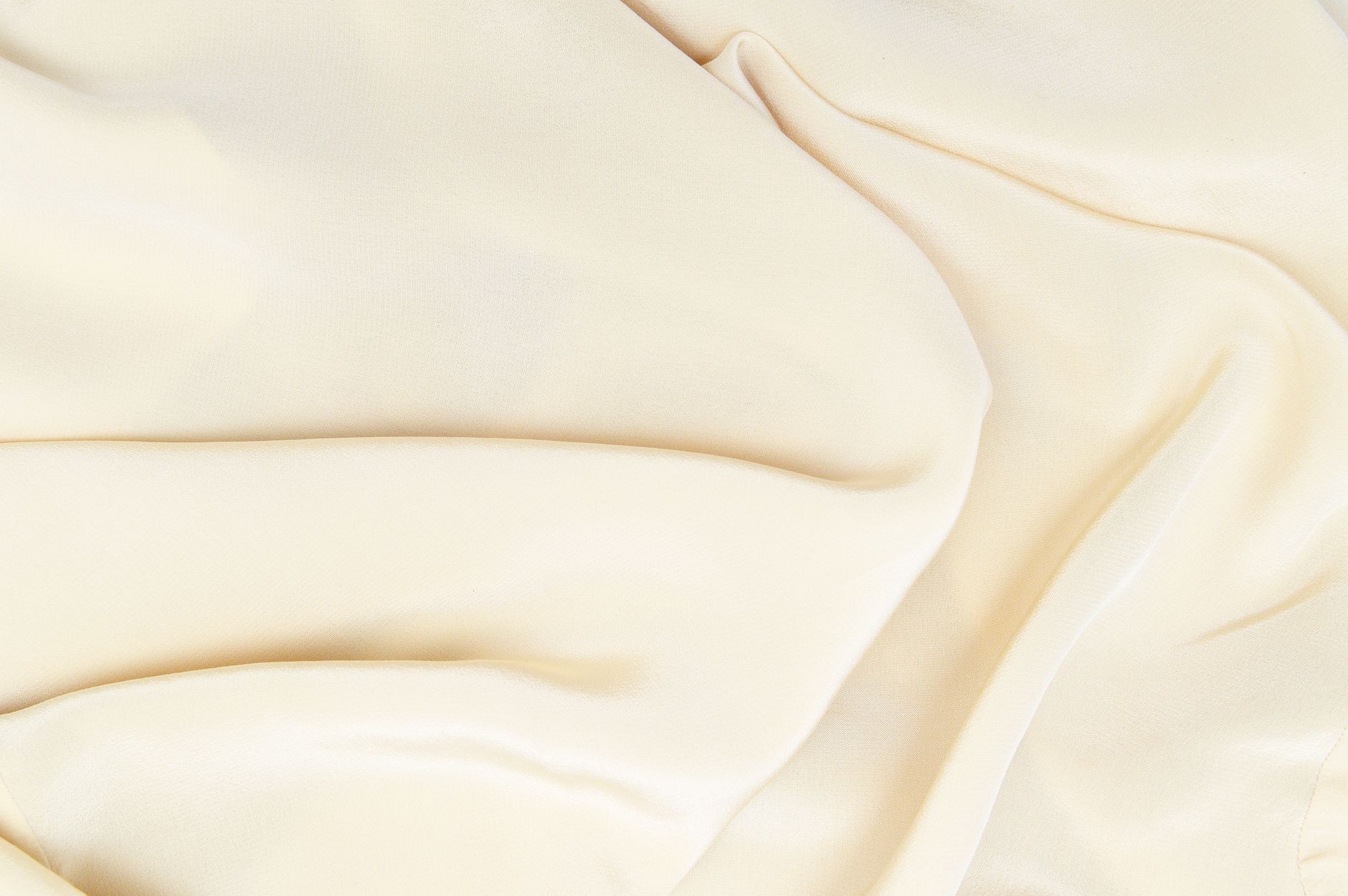
Direct flash bounces off synthetic fibres and creates a sheen that reads immediately as cheap. Natural fibres absorb light. Polyester reflects it, and a camera records that reflection with brutal accuracy.
Lenses distort proportion
A phone camera held close and low will lengthen whatever is nearest to it and shorten everything else. Most unflattering outfit photographs are actually unflattering lens positions.
Colour shifts under artificial light
Warm indoor lighting pushes browns and camels orange and makes cool greys look muddy. The palette that looked correct in daylight is a different palette on screen.
The four things editors change
One. They move to a single light source, usually a window
Almost every good clothing photograph is taken in soft, directional daylight. Overhead artificial light creates shadows under the eyes and flattens the front of a garment. Mixed lighting, meaning a window plus a ceiling light plus a lamp, produces colour casts that make fabric look strange in ways nobody can quite identify.
Stand facing a window, or at a slight angle to it, and turn off everything else. This one change fixes more problems than the other three combined.
Two. They add texture, deliberately
Since a camera loses texture, professionals compensate by introducing more than the outfit strictly needs. A knit against a leather bag. Suede against wool. A scarf with visible weave. A flat outfit in a single smooth fabric photographs as flat no matter how good it is.
This is also why tonal outfits work so well in images. When colour is doing less, texture is the only thing creating depth, and the eye reads that depth as quality.
Three. They fix the vertical line
The most common reason an outfit looks cheap in a photograph is that it has no clear vertical structure. Something is bunched, an untucked top has no waist reference, or a bag strap cuts a horizontal line across the body.
The fixes are mechanical. Pull the shoulder seams straight before the photograph. Tuck the front of a top only, leaving the back loose, which creates a waist without pulling the fabric tight. Move a bag strap off the torso or wear the bag in the hand. Let a coat hang open rather than half buttoned.
Four. They check the shoes and the hem last
The bottom of an image is where cheapness shows most reliably, because it is where fabric pools, hems fold and shoes scuff. A photograph is a good moment to notice that a trouser is two inches too long, which is also a good argument for hemming.
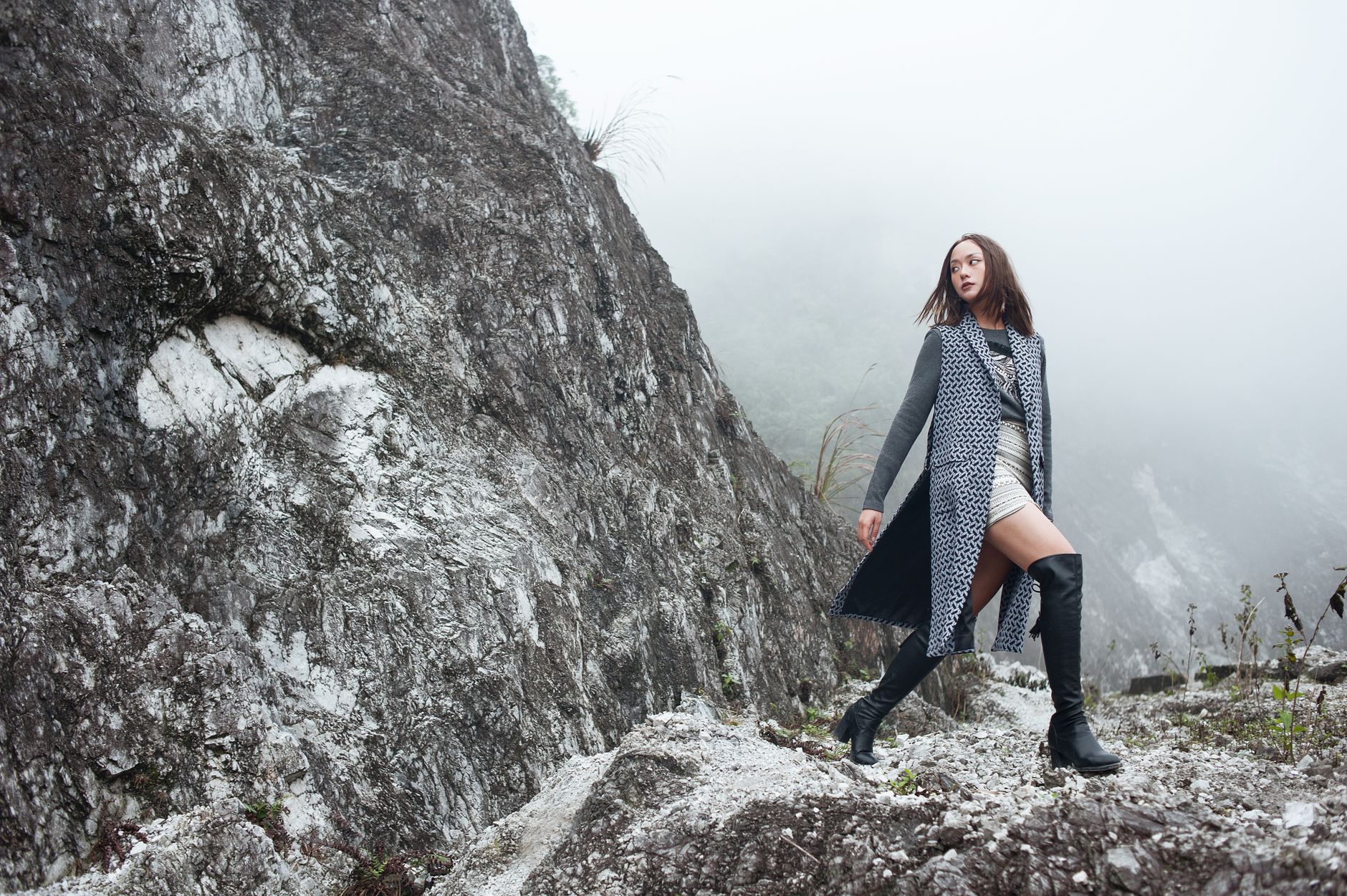
Professionals also match the shoe to the hem tone wherever possible, since that creates an unbroken vertical line that lengthens the whole frame.
The fabric that photographs well, and the fabric that does not
| Photographs well | Photographs badly |
|---|---|
| Wool, especially with visible weave | Thin polyester with a sheen |
| Suede and nubuck | Shiny satin under flash |
| Heavy cotton and denim | Cheap viscose, which clings and creases visibly |
| Matte leather | Patent leather in artificial light |
| Cashmere and merino knits | Thin acrylic knits, which look flat and slightly fuzzy |
| Linen with visible slub | Anything with a synthetic drape that hangs limply |
The pattern is consistent. Matte and textured survives compression. Shiny and smooth does not.
Things that read as cheap in images specifically
Some of these are invisible in person and obvious in a photograph.
Visible pilling, which a camera picks up as a haze around the silhouette.
Creasing across the lap and at the hip, which is why heavier fabrics are worth the money if you sit down before being photographed.
Loose threads and unclipped basting stitches, particularly the X stitch at the back vent of a new coat, which a surprising number of people never remove.
A slightly twisted waistband or a belt sitting off centre.
Wrinkles at the elbow of a sleeve, which are unavoidable in life and very visible in an image.
Two minutes of adjustment before the photograph handles almost all of these.
Frequently asked questions
Why do my clothes look worse in photos than in the mirror?
Because a camera flattens texture, exaggerates sheen and distorts proportion depending on lens position, while a mirror shows you a live, three dimensional view with your own eye correcting for lighting.
What is the best lighting for outfit photographs?
Soft, indirect daylight from a single direction, such as a large window on an overcast day. Avoid overhead artificial light, direct flash and mixed light sources.
Does flash always look bad?
Direct on camera flash is unflattering to fabric in almost all cases, since it creates sheen on synthetics and flattens depth. Diffused or bounced flash is fine, which is why professional images shot with flash still look good.
How do I stop looking shorter in photographs?
Have the camera held at roughly chest height rather than low, stand slightly angled rather than square on, keep the hem and shoe tones close, and avoid strong horizontal lines across the body such as a bag strap or a mid length untucked top.
Should I iron things before being photographed?
Yes, and specifically the front of trousers, the shoulder line and any collar. Steaming is better than ironing for knitwear and for anything with a nap, since a hot iron flattens texture permanently.
The Velvet verdict
Nothing here changes the clothes. It changes what the camera does to them, which in practice is the version most people will see. Find a window, add one textured thing, straighten the shoulders and look at the hem. Four adjustments, roughly ninety seconds, and the outfit in the picture is finally the one you actually put on.