

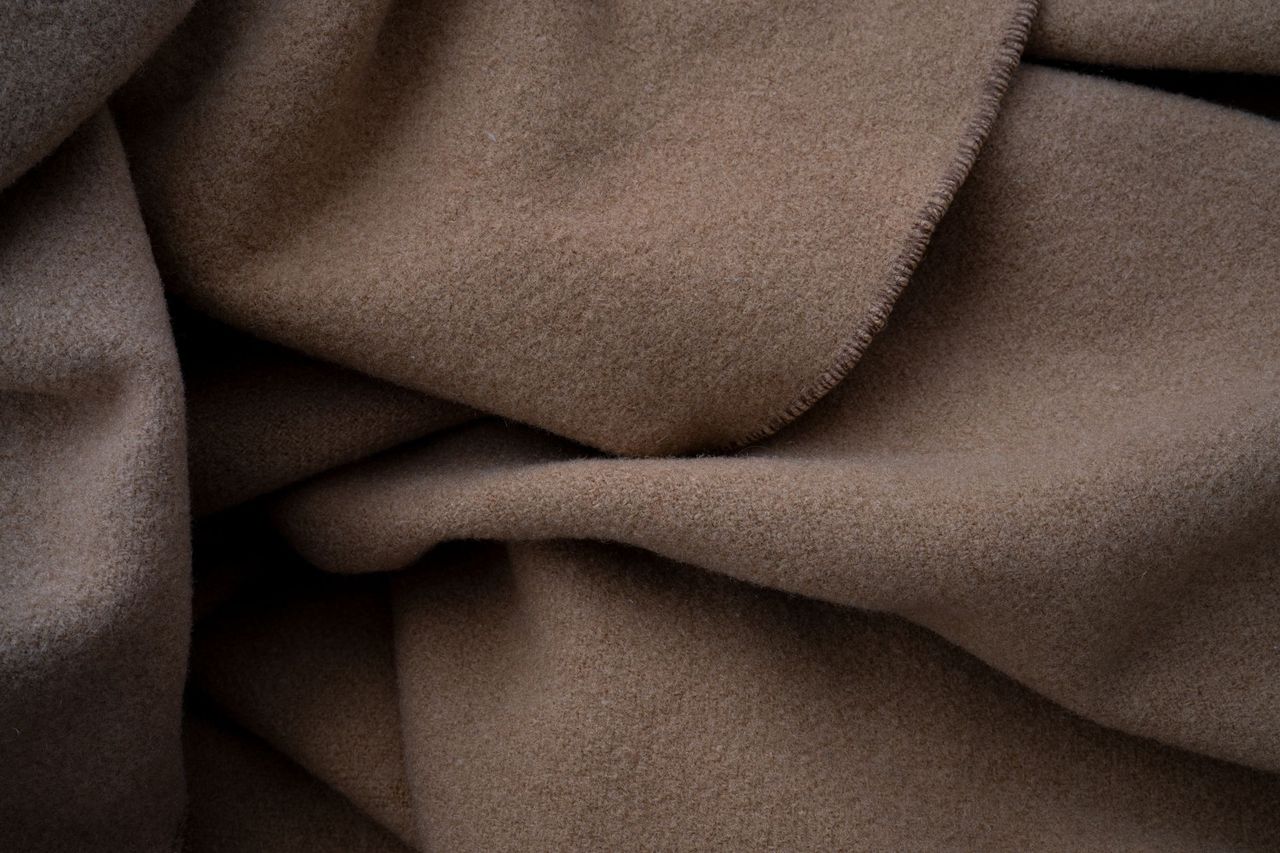
The direct-to-consumer cashmere market has been arguing the same question for a decade, meaning whether a 60 USD jumper can genuinely rival a 400 USD one, and the honest answer depends on what you are measuring. A cashmere jumper is not one product. It is four separate engineering decisions, meaning fibre grade, ply count, knit tightness and finishing, and a brand can economise on any of them without the difference being visible on the hanger.
What follows is the forensic version of how Quince, Naadam, Uniqlo and White + Warren stack up on each variable across a core-crew silhouette worn and washed the same number of times.
What actually makes cashmere last
Fibre grade
Cashmere is graded on two variables, fibre length and fibre diameter. Grade A means fibres of at least 36 millimetres in length and under 15 microns in diameter. Grade B sits at 30 to 35 millimetres and 15 to 19 microns. Grade C is anything shorter and coarser. Longer fibres pill dramatically less because fewer fibre ends work loose. Finer fibres feel softer and drape better. A brand that specifies Grade A on its product pages is worth taking seriously. A brand that does not specify at all is almost always using B or a blend, and pilling after ten wears will tell you which.
Ply count
Ply refers to how many twisted strands are spun together into the finished yarn. A 2-ply jumper uses two strands, producing a denser fabric that holds shape and resists pilling. Single-ply, sometimes marketed as ultra-fine, is lighter and softer initially but sags at the elbows and pills within weeks. The industry standard for a jumper meant to last is 2-ply for lightweight styles and 4-ply for chunkier winter weights. Anything sold as cashmere without a stated ply count is almost certainly single-ply.
Knit tightness
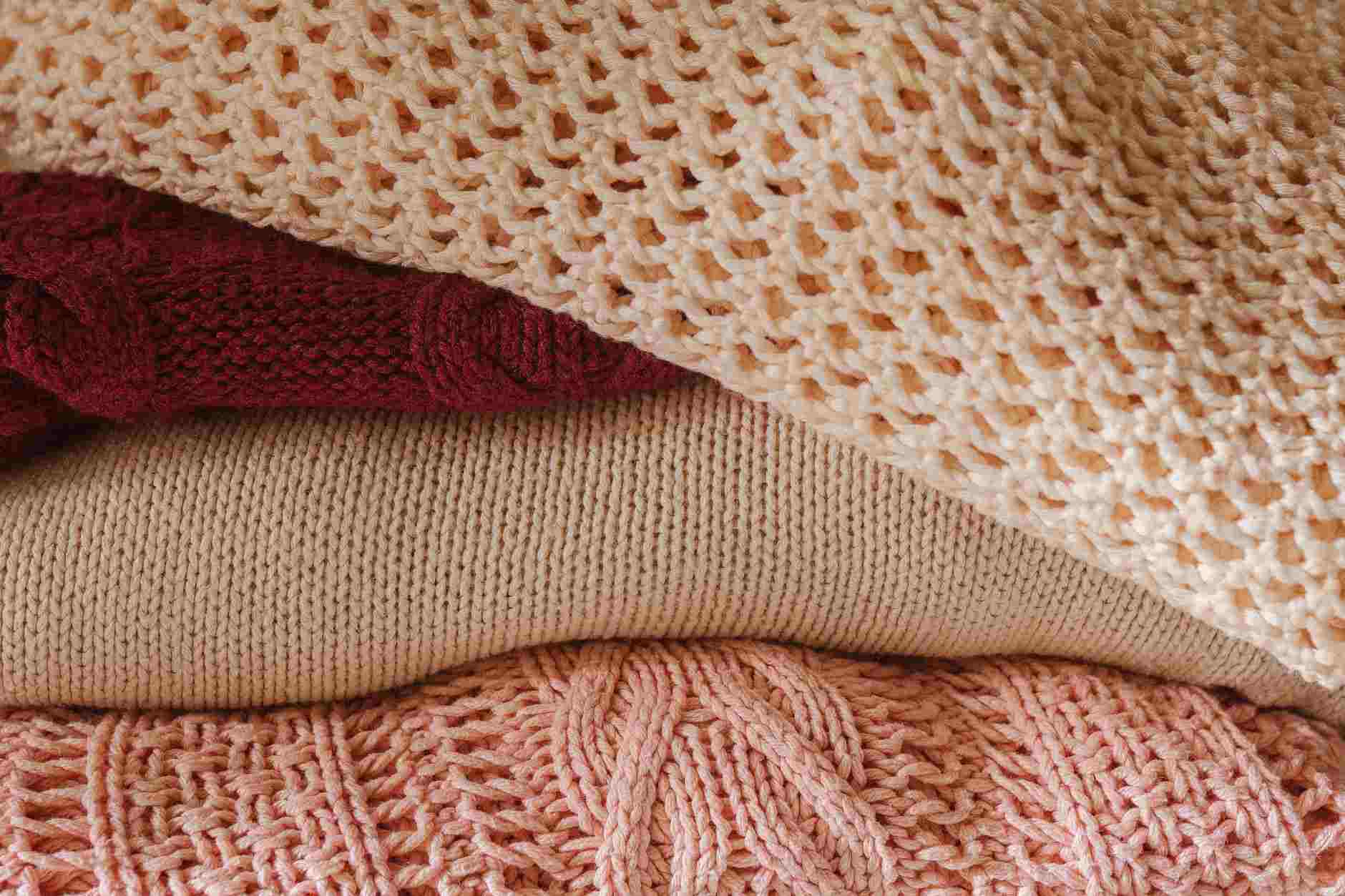
Knit gauge, meaning stitches per inch, determines how the fabric behaves under stress. A tight gauge holds shape, resists snagging and drapes cleanly. A loose gauge feels drapey and expensive on day one and stretches irreversibly by month three. Hold the fabric up to light. A well-engineered mid-weight jumper shows filtered light through the stitches, not clear light.
Finishing
Finishing includes the wash, the brushing, the shearing of loose fibres and the blocking of the garment. A properly finished jumper has had loose fibres removed before it leaves the factory, which is why the first wear does not deposit fluff on everything you touch. Skipped finishing shows up as shedding, pilling within the first two wears, and shape distortion after the first wash.
The four brands, on price alone
Uniqlo lists its 100 percent cashmere crew at around 130 USD, 100 GBP and 195 AUD. Quince lists the equivalent Mongolian cashmere crew at 60 USD, roughly 48 GBP and 90 AUD with shipping. Naadam lists its Original Cashmere crew at 98 USD, 78 GBP and 149 AUD. White + Warren, the outlier at the top, sits at 285 USD for the Essential Crewneck, or roughly 225 GBP and 429 AUD. Cheapest is not always worst, and most expensive is not always best.
Origin
Uniqlo
Uniqlo sources primarily from Inner Mongolia and processes in China. The brand publishes limited detail on fibre grade, but consistency across seasons suggests a repeatable Grade B specification.
Quince
Quince sources from Inner Mongolia and works direct with mills that also supply luxury brands, which is the core of its price argument. The brand claims Grade A, meaning 36 millimetres and 14 to 15 microns, and independent testing has broadly supported the claim.
Naadam
Naadam sources from the Gobi Desert in Mongolia proper, works with nomadic herders on a direct-purchase model, and specifies fibre length and micron on individual products. The brand claims 16.5 microns, sitting at the boundary of Grade A and B.
White + Warren
White + Warren sources from Inner Mongolia and manufactures in China, at a higher price reflecting heavier finishing and longer-fibre selection. Micron detail is not published but the hand-feel suggests Grade A.
Ply and knit gauge
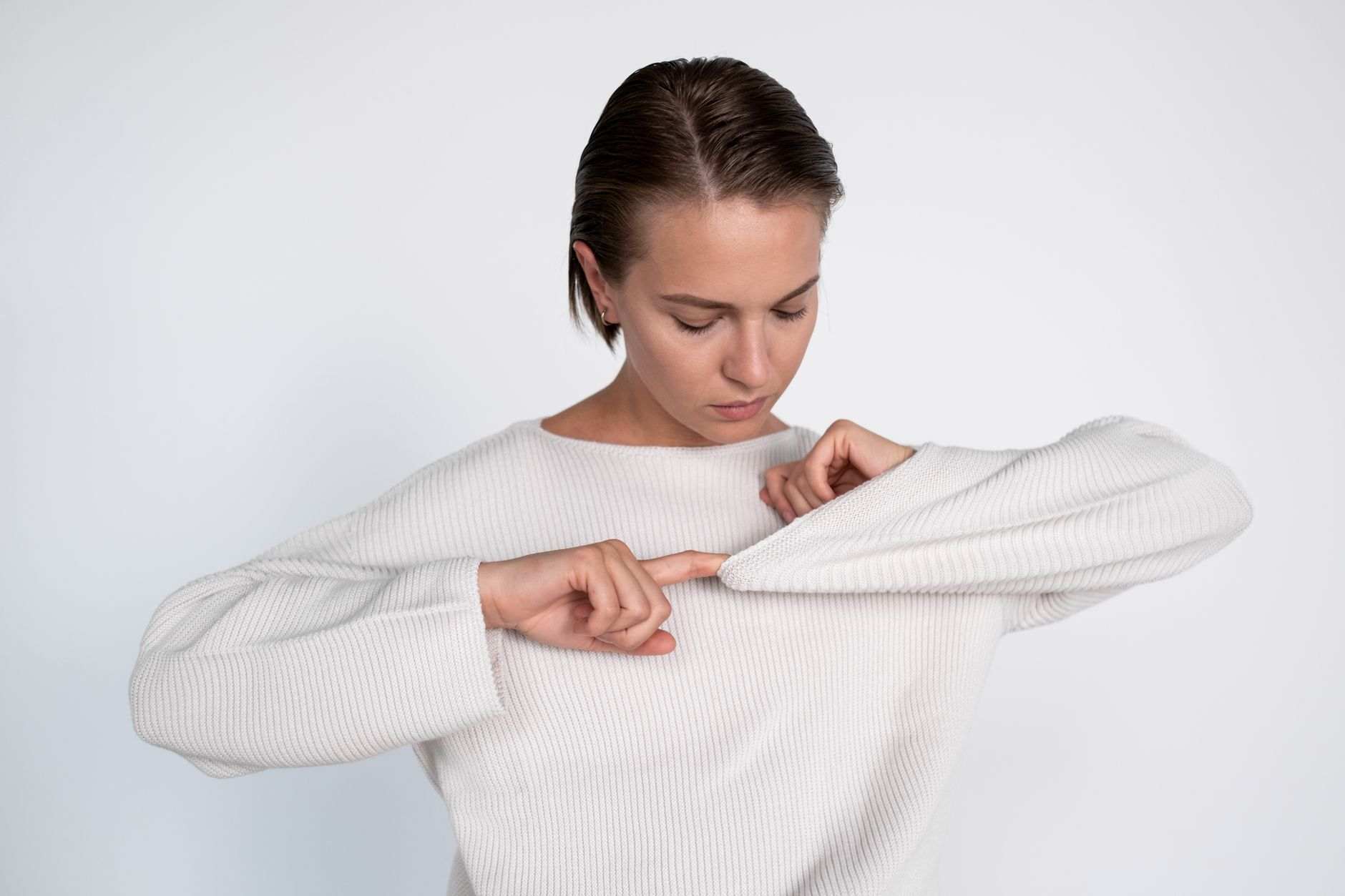
Uniqlo's core crew is 2-ply at a medium gauge, the most common industry specification and a fair one at the price. Quince's core crew is 2-ply at a slightly looser gauge, meaning it feels softer on day one and shows more light through the stitches. Naadam sits at 2-ply with a marginally tighter gauge than Quince, closer to Uniqlo. White + Warren is 2-ply at the tightest gauge of the four, visible immediately in how the fabric holds shape when the jumper is picked up by the shoulders.
The wear and wash test
Pilling after twenty wears
Pilling is the failure mode that decides whether a cashmere jumper is worth owning. After twenty wears as a mid-layer under a coat and two hand-washes, the four brands behave differently. Uniqlo pills lightly under the arms and at the side seams. Quince pills more visibly across the front and sleeves, with small bobbles from around the tenth wear. Naadam pills less than Quince but more than Uniqlo, concentrated at friction points. White + Warren shows minimal pilling, mostly at the underarm.
Hand-feel after three washes
Cashmere should soften with correct washing, meaning cool water, minimal agitation and flat drying, but should not thin or lose loft. After three hand-washes with a wool detergent, Uniqlo retains structure and softens marginally. Quince becomes noticeably softer but visibly thinner. Naadam softens without thinning meaningfully. White + Warren improves, meaning it softens while retaining loft, which is the correct behaviour for a well-graded, tightly-knit cashmere.
Shoulder and sleeve fit
The final test is how the jumper holds its shape at the shoulder and how the sleeve behaves at the cuff.
Uniqlo runs true to size at the shoulder, with a straight-cut sleeve that fits the arm cleanly. Quince runs slightly generous at the shoulder and slightly short at the sleeve, meaning it fits shorter arms better than longer ones. Naadam runs true to size overall, with a sleeve that is neither generous nor tight. White + Warren runs slightly slim at the shoulder with a longer sleeve, cut to a more considered pattern.
The comparison table
| Brand | Origin | Ply | Price core crew (USD/GBP/AUD) | Pilling at 20 wears | Wash resilience | Fit |
|---|---|---|---|---|---|---|
| Quince | Inner Mongolia | 2-ply, loose gauge | 60 / 48 / 90 | Moderate | Softens, thins | Generous shoulder, short sleeve |
| Naadam | Gobi Desert Mongolia | 2-ply, medium gauge | 98 / 78 / 149 | Low to moderate | Softens, holds loft | True to size |
| Uniqlo | Inner Mongolia | 2-ply, medium gauge | 130 / 100 / 195 | Low | Holds structure | True to size, straight sleeve |
| White + Warren | Inner Mongolia | 2-ply, tight gauge | 285 / 225 / 429 | Minimal | Softens, holds loft | Slim shoulder, longer sleeve |
Which one is actually worth the money
The answer depends on how you intend to wear the jumper.
For occasional layering across one or two seasons, Quince is the correct choice, meaning the price to hand-feel ratio is unbeatable and pilling is manageable with a cashmere comb. Buy one size up if you plan to wash it, because it will thin.
For daily-wear that will last three to five winters, Uniqlo is the pragmatic answer, with consistent construction, repeatable fit across seasons and genuinely low pilling. It is the best value in the category once longevity is factored in.
For a slightly more considered piece without stepping into the luxury bracket, Naadam is the middle ground, meaning better fibre grade and cleaner finishing at a defensible price.
For a jumper that will still look correct in five years and reads visibly luxurious on the body, White + Warren is the answer, provided it is going into daily rotation rather than sitting in a drawer.
The single most useful tip for extending cashmere life
Correct care adds years to any cashmere jumper regardless of brand, and it is not what most people are doing.
Wash every three to four wears in cool water with a wool-specific detergent. Skip conditioner and standard laundry detergent, because both damage the fibre. Squeeze water out gently, do not wring, and lay flat on a clean towel to dry. Never hang cashmere on a hanger, because the weight of the water stretches the shoulders permanently.
Store folded in a breathable cotton bag with cedar rather than lavender for moth protection. Comb pills off with a cashmere comb rather than picking, which removes the pill cleanly without disturbing surrounding fibres.
Do's and Don'ts
| Do's | Don'ts |
|---|---|
| Hand-wash cashmere or use a wool cycle at 20 degrees or cooler | Hang cashmere on a hanger, the shoulders stretch permanently within a month |
| Dry flat on a towel and reshape while damp, that is when memory sets | Machine-dry cashmere at any heat setting, it will felt and shrink two sizes |
| Comb pills with a dedicated cashmere comb every five to ten wears | Pick pills off with fingers, that pulls surrounding fibres and thins the knit |
| Fold cashmere in tissue paper, cedar or lavender for storage | Fold cashmere with a hard crease across the shoulder seam, the fibre memory shows |
| Buy 2-ply for winter warmth and single-ply for layering pieces | Assume all cashmere is equal, ply and fibre length drive durability more than country of origin |
| Rotate between three cashmere pieces to spread the wear evenly | Wear cashmere for a full week continuously, the fibres need rest days to recover |
| Retire an ageing cashmere piece to home-only wear once pilling gets heavy | Mix cashmere with denim or towels in the wash, friction pills the knit faster |
| Store folded in a breathable cotton bag rather than a plastic one | Ignore small moths in the wardrobe, one hole can destroy the whole knit |
| Check care labels before buying, cheaper cashmere often needs dry cleaning | Iron cashmere directly, use a cool iron with a damp cloth between if you must press |
| Ask the retailer whether the yarn is Grade A, that spec matters more than price alone | Chase the cheapest possible price on cashmere, the value floor is around 90 pounds or dollars |
Frequently asked questions
Rarely. Single-ply is lighter and softer initially but sags at the elbows and pills within weeks of regular wear. It suits summer weights and layering pieces worn under a jacket, but not standalone jumpers meant to last.
Correctly graded cashmere does, because washing releases loose fibre ends and allows the remaining fibres to bloom. Poorly graded cashmere thins instead, meaning the loose fibres detach from the fabric structure rather than integrating.
Some are. Recycled cashmere from reputable mills performs comparably to virgin Grade B, at a lower environmental footprint. Blends with silk or merino wool are also valid, particularly for warmer climates, but avoid blends with more than 20 percent synthetic fibre, because the pilling behaviour changes entirely.
Rub the fabric between finger and thumb for ten seconds. Grade A stays smooth and springs back. Grade B stiffens slightly under friction. Grade C balls into visible pilling almost immediately. The test is not laboratory-precise but it is directionally reliable.
No. Dry cleaning uses solvents that strip the natural lanolin from cashmere fibres, meaning the fabric loses softness with each cleaning. Correct hand-washing is gentler and produces a better long-term result.
Is single-ply cashmere ever worth buying?
Does cashmere really get softer with washing?
Are the recycled or blended cashmeres worth considering?
How can I tell fibre grade on a jumper I already own?
Is dry cleaning safer than hand-washing for cashmere?
The Velvet verdict
Cashmere is not one product, and the four brands here represent four separate answers. Quince wins on price to hand-feel. Uniqlo wins on price to longevity. Naadam wins on considered engineering at a mid-price. White + Warren wins on the metrics that matter over years rather than months. Choose by the way you intend to wear the jumper, not by the label, and any of the four will outperform a badly bought equivalent at three times the money.