

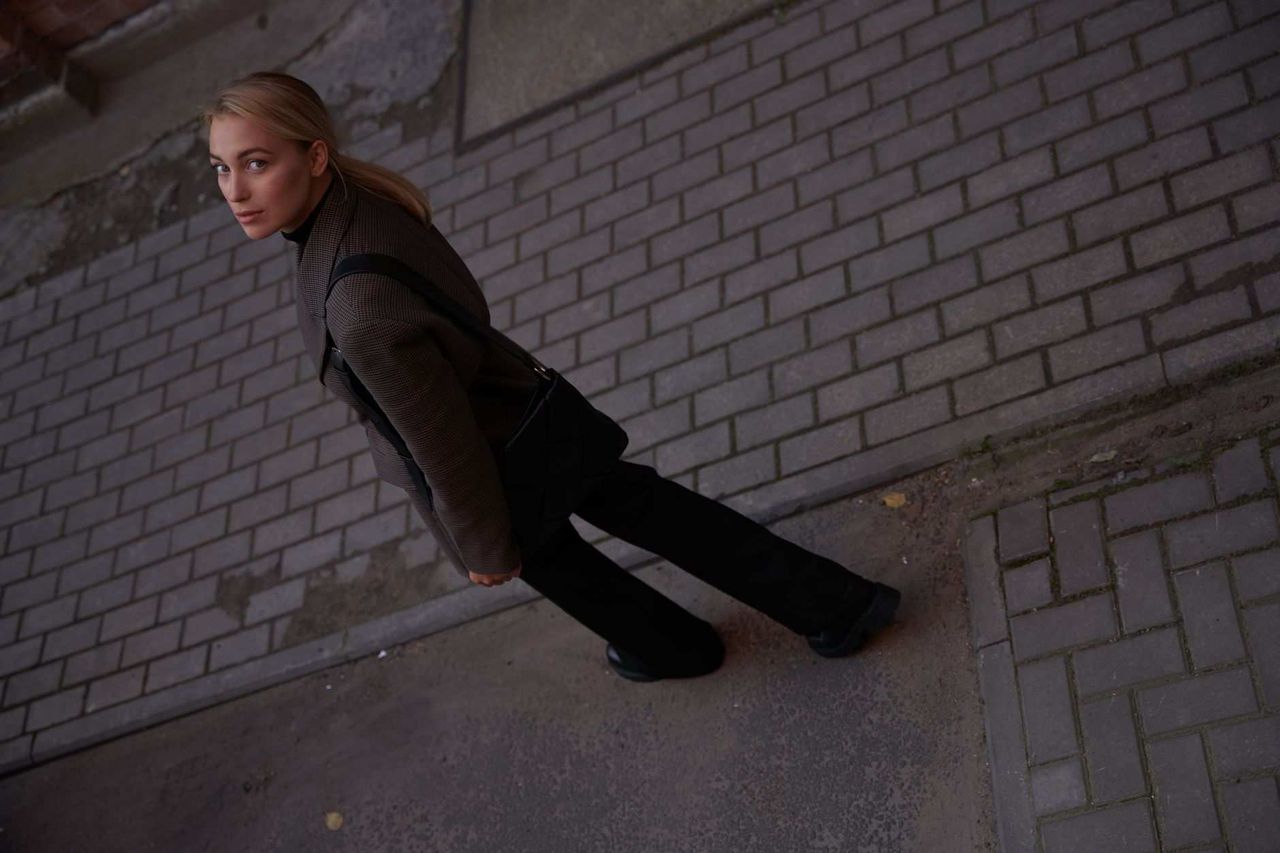
There is a particular flavour of style advice aimed at women in their late thirties and forties that has calcified into a uniform over the last five years, and if you spend any time on the fashion side of Instagram you will recognise it immediately. Cream cashmere jumper, straight leg jean, loafer or ballet flat, small structured leather bag, gold hoop earrings, a beige overcoat in winter and a trench in spring. The wardrobe reads as tasteful, which is why it has spread, but it also reads as identical from woman to woman, which is not really what elegance is supposed to do. Quiet elegance, done properly, is not a uniform. It is a set of instincts about proportion, fabric, and considered choice that produces a look which is specific to the wearer.
I turned thirty five three years ago and have spent the intervening time watching my own wardrobe evolve away from the trend cycles I chased in my twenties and toward something more considered but, importantly, not more boring. The most stylish women I know in their forties and fifties do not dress the same as each other. They dress in a way that is legible as adult and considered without collapsing into the current beige monoculture. This piece is about what that actually looks like in practice, which pieces reward the shift in life stage, which trends to leave alone, and where to find clothes that read as considered without reading as costume. If you are in the middle of that transition and feeling the pull toward the uniform, this is the counter argument.
The Problem With the Instagram Uniform
The uniform works because it is defensible. Nobody looks bad in a cream cashmere jumper, a good jean, and a loafer. It photographs well, it reads as expensive whether or not it is, and it aligns with a certain aspirational aesthetic that has dominated the last five years of fashion editorial. The problem is not that the pieces are bad. The problem is that the uniform substitutes for taste rather than expressing it, and after enough years of wearing it, the wearer starts to disappear into the outfit. Style is supposed to reveal something about the person. Uniform, by definition, does the opposite.
The other issue is that the uniform reads slightly younger than it thinks it does. The cream cashmere and gold hoop combination is now so associated with women in their twenties trying to look older that it inadvertently ages the wearer down and blank rather than up and considered. A woman in her forties in the exact same outfit reads as if she is aspiring to a look that has moved on, which is the opposite of what quiet elegance should do.
What Actually Reads as Considered
Quiet elegance in your late thirties and forties is less about a specific palette and more about the way pieces interact with each other and with the wearer. It reads as considered when the proportions are unusual enough to have been chosen deliberately, the fabric is good enough to hold its shape through the day, and the styling contains at least one element that is specific to the wearer rather than to the trend. This can be a piece of vintage jewellery, an unexpected colour choice, a slightly imperfect cut that fits the individual body beautifully, or a shoe that most people would not have thought to pair.
The women I watch closely, the editors and stylists and gallerists who have quietly influenced how many of us dress, tend to build their wardrobes around three or four excellent core pieces that they wear constantly, then rotate two or three seasonal accents that keep the look feeling current. They do not chase trends. They do not buy in bulk. They spend time on fit and on choosing the right version of a piece rather than on buying a lot of versions of it.
The Fit Question
Fit matters more after thirty five than it does at any earlier stage, because the body has settled into shapes and proportions that are specific rather than universal, and clothing that was designed for a generic silhouette will read as slightly wrong even when the sizing is correct. This is the argument for tailoring, or at least for having a good tailor, because the difference between a shirt that fits and one that has been adjusted to fit is roughly the difference between looking pulled together and looking styled. Budget for tailoring the same way you budget for cleaning. It is part of the cost of the garment.
The Core Pieces That Reward the Shift
A well cut wool blazer in a colour that is not black is the single best investment for this stage. Chocolate, oxblood, forest green, a deep camel that leans toward tobacco, all of these read more considered than black and pair with almost everything else in a considered wardrobe. Toteme, Massimo Dutti, and Reiss all make good options in the 400 to 1,300 dollar range. The blazer will do more work than any single piece except perhaps a great coat.
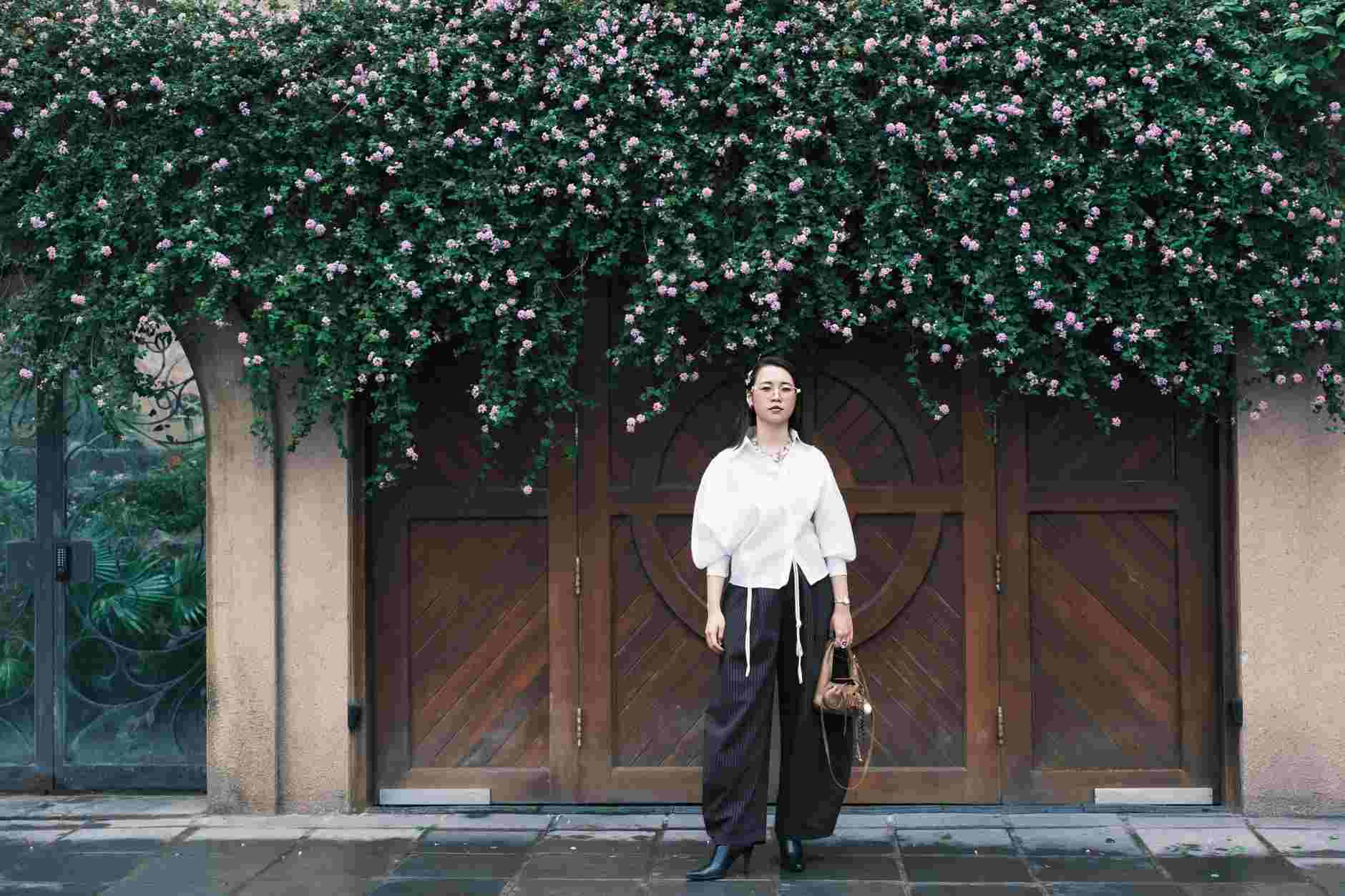
A silk shirt in ivory, cream, or a very pale blue is the second core piece. Silk hangs differently on a body over thirty five, closer to skin and with more drape, and the effect is genuinely lovely under a blazer or on its own with a wide trouser. Look for a slightly relaxed fit rather than the fitted 1990s cuts that have come back, which flatter fewer bodies than they claim to. Equipment, Vince, and Frame all make workable versions in the 200 to 400 dollar range.
A pair of well cut wool trousers in a colour other than black, ideally in a wide or slightly wide leg, is the third piece. These read more grown up than a jean without reading corporate, and they work for almost every occasion short of a formal event. The chocolate wide pleat that has arrived for autumn 2026 is the version I would buy this season.
The Fourth Piece Nobody Talks About
A great knee length coat in a colour that flatters your face rather than one that fades into every neutral palette on the street. If you look best in warm tones, this means camel, oxblood, or chocolate. If you look best in cooler tones, this means charcoal, navy, or a deep bottle green. Beige and taupe flatter fewer people than the current market suggests, and skipping the standard beige overcoat in favour of a colour that actually lifts your face is one of the fastest style upgrades available.
Trends to Ignore
The micro trends that turn over every three months are not for this life stage. This includes the very short cropped tops that pair with a low waisted jean, the tiny bag that holds nothing, the exaggerated shoulder that fights the natural line of a body that has settled, and the specific styling references to any decade in particular. This last one matters more than most stylists acknowledge. Dressing as an explicit reference to the 1990s or the 1970s or the early 2000s reads as costume after thirty five in a way that it does not always at twenty five, and the effect can be aging even when the individual pieces are beautiful.
The other trend to leave alone is the current obsession with logo bags, particularly the very recognisable ones from the houses that have made loud logo pieces their signature this decade. A logo bag reads as trying to prove something, and the women I know who dress most beautifully after forty own quiet bags without visible branding. Mansur Gavriel, Polène, and vintage Coach and Bottega all offer options that read as considered without shouting.
The Colour Question
The palette shift that happens naturally at this stage is toward warmer, richer colours that work with the way skin ages. This does not mean giving up on black or navy, which remain workhorse colours, but it does mean expanding into the browns, oxbloods, forest greens, deep terracottas, and warm ivory tones that flatter more skin tones than the cool greys and pale beiges that dominated the last decade.
Cream is a specific case. A true warm cream, closer to buttermilk than to white, works on almost everyone. A cool bright white washes many faces out after thirty five and should be softened toward ivory or oatmeal.
What Real Quiet Elegance Looks Like on a Tuesday
A Tuesday outfit that reads as considered without reading as an Instagram grid might be a chocolate wool blazer, an ivory silk shirt buttoned to the second-from-top button, a dark oxblood wide leg trouser, a low block heel in matching oxblood, a small unbranded leather bag in a deep tan, and a single piece of gold jewellery that has some history behind it, a family piece or something from a vintage shop with real weight. The palette is considered, the proportions are deliberate, nothing is trending, and nothing dates to any specific season. This is what the uniform is trying to do but rarely achieves.
If You're Reading From the UK or Australia
Rough conversions to layer over the USD figures: $200 ≈ £160 / A$310, $400 ≈ £315 / A$615, $1,300 ≈ £1,025 / A$2,005. Massimo Dutti and Reiss price in GBP directly at UK stores and dispatch to AU with duty added. Toteme, Equipment, Vince, and Frame all stock at Matches, Net-a-Porter, and Selfridges in London; at David Jones and Farfetch in Australia. UK-specific quiet-elegance brands worth adding to the shortlist: Me+Em, Toast, and The Fold. Australia-specific: Camilla and Marc, Bassike, and Assembly Label for the tailored core; SIR. and Christopher Esber if the budget allows. Vestiaire Collective and The RealReal both ship to UK and AU with prepaid duties, which is the practical route into The Row and Khaite at 40 to 60% off retail.
Do's and Don'ts
| Do's | Don'ts |
|---|---|
| Build around three to four excellent core pieces | Buy in bulk from any single trend cycle |
| Choose a blazer in a colour that flatters your face | Default to black or beige because they are safe |
| Have a tailor adjust key pieces to your body | Wear pieces off the rack if fit is close but not right |
| Invest in one truly great coat per five years | Buy multiple mid-tier coats every season |
| Wear vintage or unbranded jewellery for character | Add logo bags to prove taste level |
| Test warm palette colours if you are cool skin toned | Assume all neutrals flatter equally |
| Keep the silhouette one considered choice from expected | Follow the uniform beat for beat |
| Pair a great piece with something imperfect and personal | Style every outfit as if for a photo |
| Have your dry cleaner press tailoring properly | Skip pressing to save on care costs |
| Choose fabric weight appropriate to the season | Wear summer weight linen in October |
FAQs
Do I need to spend more on clothes after thirty five? Not necessarily more overall, but more per piece and fewer pieces total. The maths tends to even out. The difference is that a smaller, better curated wardrobe delivers a more considered look than a larger inexpensive one, particularly at this stage.
Is it acceptable to still wear jeans in my forties? Yes, provided the cut is good and the fit is right for your current body. Straight leg, wide leg, and slightly relaxed jeans all read as considered when styled well. Skinny jeans have moved into the dated column for most contexts, though they can still work under a boot for winter.
Can I wear trends at all after thirty five? Yes, but selectively and translated to your own wardrobe. A single trend accent, a colour, a shoe shape, a specific accessory, can update a considered wardrobe without collapsing it into the trend itself. Wearing the trend head to toe rarely works after this stage.
What is the single fastest style upgrade for someone in their late thirties? Fit. Get one or two of your favourite pieces adjusted by a good tailor. The difference is more immediate than any single new purchase and applies to clothes you already own.
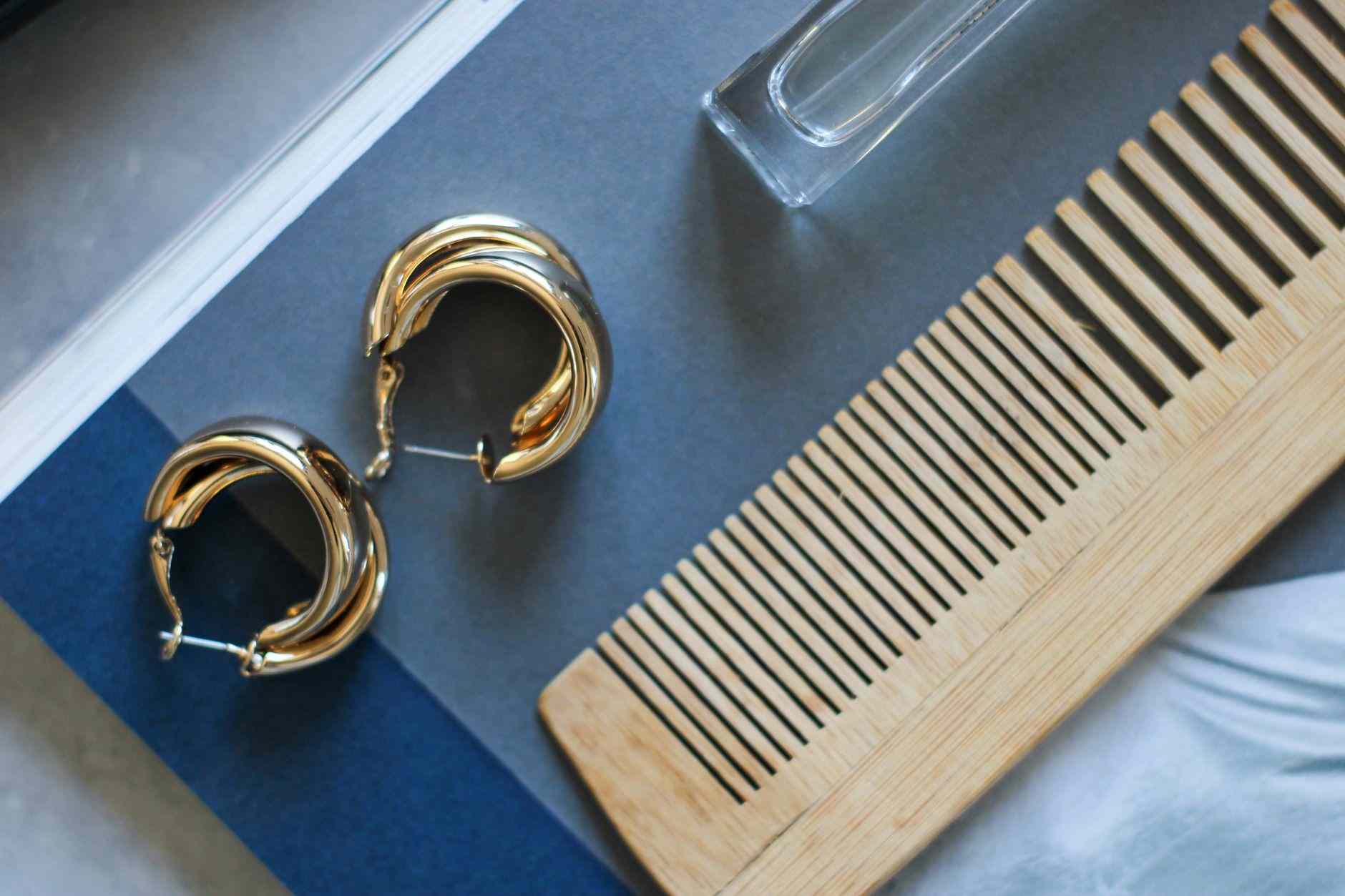
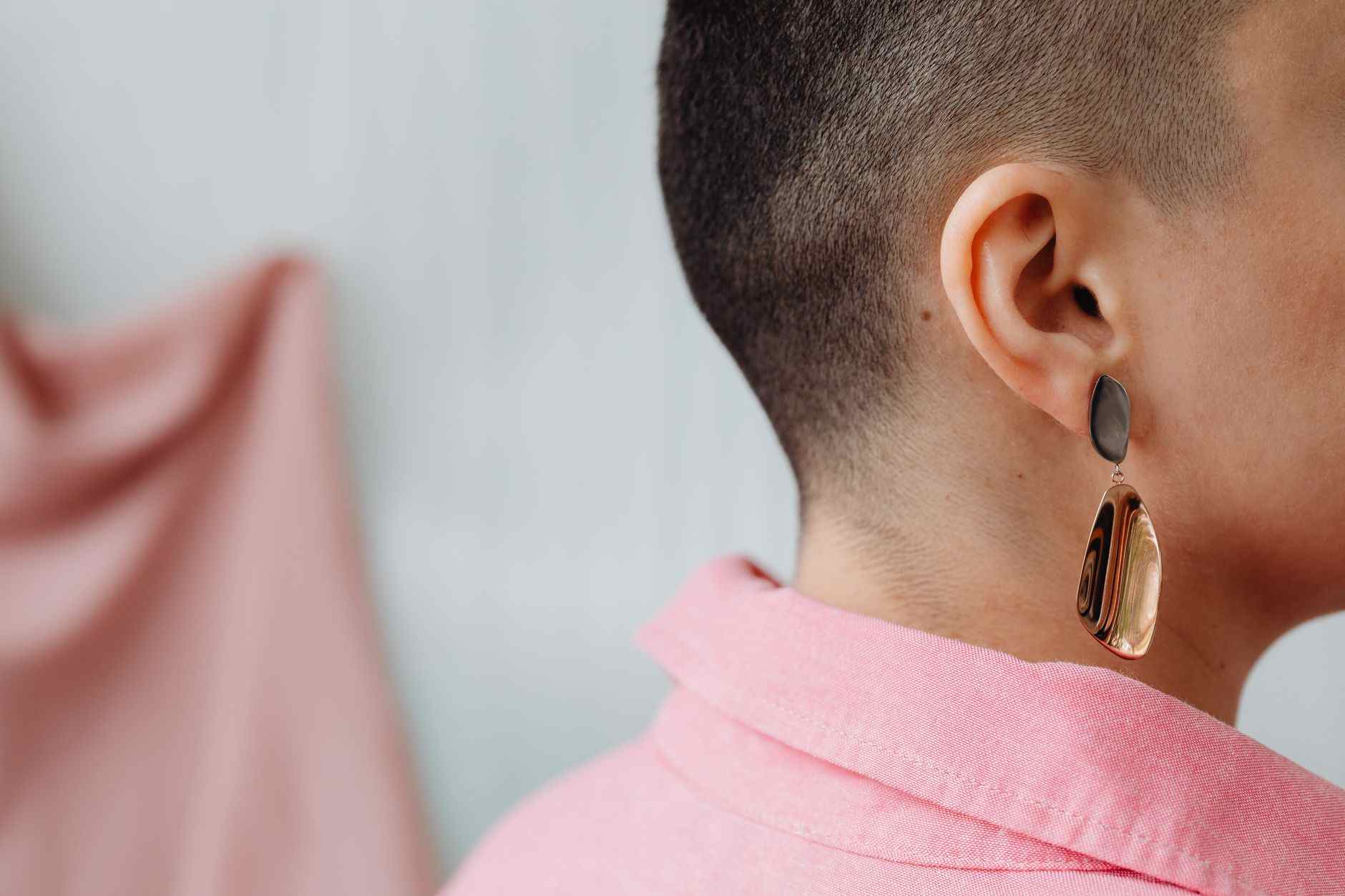
Are gold hoop earrings really over? They are not over, but they have become the default rather than the accent, which reduces their power. A single unexpected piece of jewellery, a signet ring, a piece of vintage, a slightly unusual earring, will read as more considered than the standard hoop this year.
What is the right way to build a considered wardrobe on a modest budget? Buy fewer pieces at slightly higher price points from second tier houses like Toteme, Reiss, Massimo Dutti, and Arket. Add pre-owned pieces from The Row, Khaite, and Bottega Veneta through Vestiaire Collective or The RealReal for the top of the wardrobe. Skip fast fashion entirely.
Is it worth having clothes altered rather than replacing them? Almost always yes for pieces you love and wear frequently. A good tailor can shorten sleeves, adjust waists, take in shoulders, and reshape hems for a fraction of the cost of buying a new comparable piece. Build a relationship with one you trust.
How do I resist buying into a uniform without going the other way and dressing eccentrically? Start with one considered swap per season. Change the blazer colour, change the shoe shape, add one piece of jewellery with history. Small deliberate choices compound over time into a wardrobe that reads as specific to you rather than to the moment.
Image Tags
1. woman over thirty five wearing chocolate wool blazer 2. silk ivory blouse and wide leg trouser flatlay 3. considered wardrobe rail warm palette autumn 4. vintage gold jewellery on marble surface 5. oxblood block heel and tan leather bag 6. woman styling silk shirt with tailored trouser 7. autumn outfit chocolate camel oxblood layered 8. minimal considered wardrobe editorial flatlay