

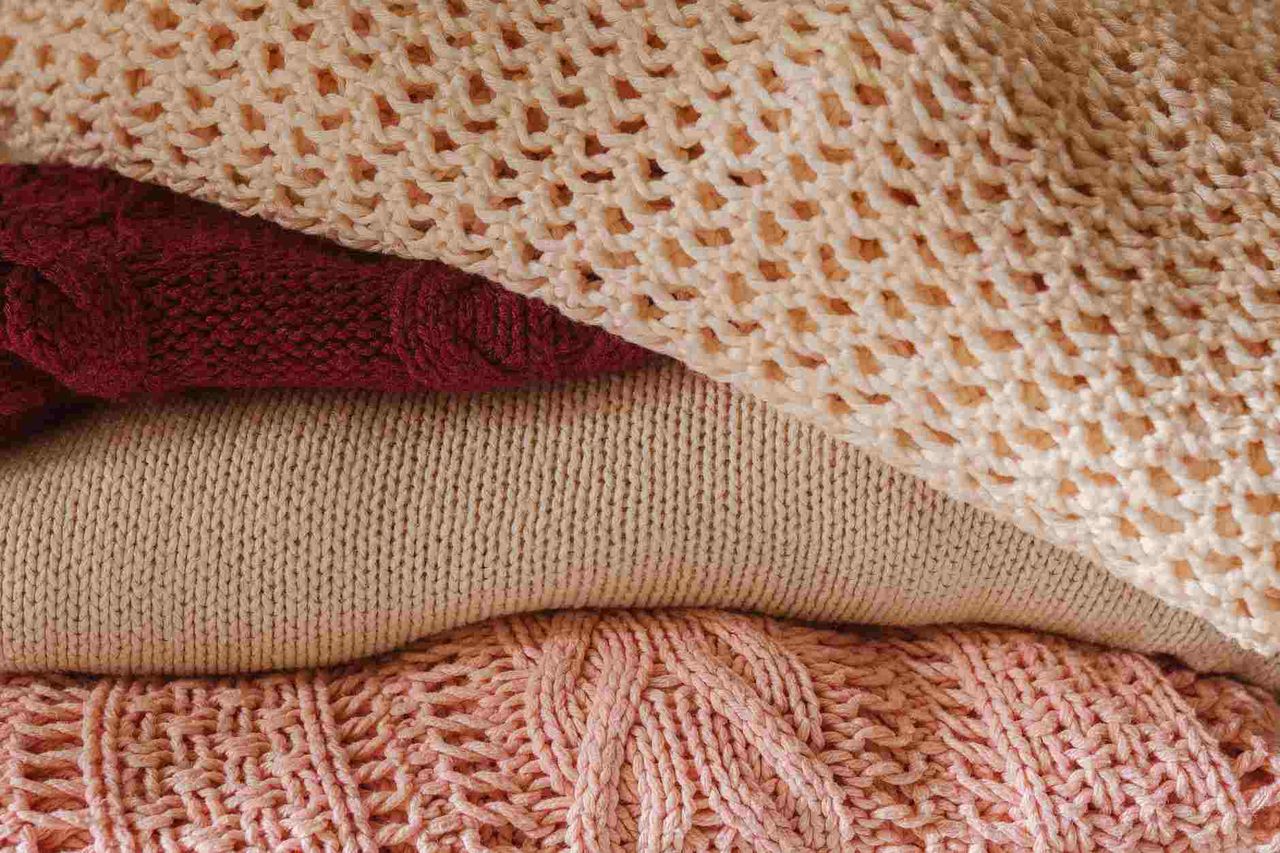
There is a moment every autumn, usually the first week of proper cold, when the wardrobe review begins. You pull the wool coat down from the top shelf, you shake out the cashmere, you register what has survived summer storage and what has quietly gone slack. And you make a list. This year the list has a Toteme wool coat on it, or a COS wool coat, or possibly both because you are trying to decide between them. I have spent the last four autumns treating that decision as a spreadsheet problem rather than a taste problem, logging what I actually wear and how often, and the numbers have surprised me repeatedly. There are categories where the quiet luxury price tag pays for itself almost immediately. There are others where the mid-market piece outperforms the luxury one for reasons that have nothing to do with taste and everything to do with fabric maintenance, colour churn, or how often the item goes on a plane.
This piece is not a review of Toteme, or COS, or Zara, or Loro Piana. It is a framework for deciding, category by category, when to spend and when to save. The five categories that dominate the autumn investment conversation are cashmere, blazers, denim, boots, and handbags. Each behaves differently over time, and each has a break-even point where the luxury version starts to justify the multiple. I have tested pieces in both tiers across three years of real wear, and the answers are less romantic than the fashion press suggests. Sometimes the £120 COS coat wins for reasons the £800 Toteme cannot fight. Sometimes the £2,400 boot pays itself off in year two and the £180 alternative is in the charity bag by then. The framework matters more than the individual pick.
The Framework: Cost Per Wear, Not Sticker Price
Every category below runs through the same three-question test. First, how many times will you realistically wear this piece across its useful life. Second, how does the fabric or construction behave when it gets that many wears. Third, what is the risk that the piece will date, either because the cut belongs to a specific trend cycle or because your body shape or life circumstances shift.
The reason cost per wear beats sticker price is that fashion pricing is almost never linear. A £120 wool coat is not one sixth as good as a £720 wool coat. It might be one third as good, or four fifths as good, or in a specific category it might even be marginally better. What you are actually buying at the higher tier is a combination of fabric quality, cut retention, colour stability, and construction that survives dry cleaning. Whether those attributes pay off depends entirely on how you use the piece.
The Break-Even Rule of Thumb
For a piece to earn its luxury price at roughly six times the mid-market equivalent, it needs to be worn at least three times as often, last at least twice as long, and hold its shape well enough that you never quietly stop reaching for it. If any of those three conditions fails, the mid-market piece wins on the maths, even if the luxury version looks better on the rail.
Category by Category Comparison
| Category | Luxury Pick | Mid-Market Pick | When Luxury Wins | When Mid-Market Wins |
|---|---|---|---|---|
| Cashmere jumper | Toteme, £460 | COS, £115 | Wear 100+ times, want density that holds two winters | Wear 30 times, treat as a seasonal refresh |
| Wool blazer | The Row, £2,900 | Massimo Dutti, £280 | Work uniform, wear weekly for five years | Occasion piece, wear monthly, wardrobe rotates |
| Denim | Khaite Danielle, £360 | Everlane 90s, £98 | Signature cut, wear four times a week | Trend-driven silhouette, replace every 18 months |
| Boots | Chloé Susanna, £1,290 | Vagabond, £180 | Daily wear, want resole every three years | Occasional weekend, replace after two seasons |
| Handbag | Hermès Kelly, £11,000 | Polène Numéro Un, £360 | Genuine intergenerational piece, insured, appreciates | Everyday use, weekly rotation, colour-driven buying |
Cashmere: Where Luxury Wins the Fastest
Cashmere is the category where the price gap is most visible in the hand. A Toteme cashmere jumper at £460 uses a two-ply yarn from a Loro Piana affiliated mill, and after two winters of wear plus quarterly handwashing, mine still has the same density and drape it had new. A COS cashmere jumper at £115 uses a lighter single-ply from a different supplier, and after the same treatment mine is visibly thinner at the elbows and needs the sweater comb every six weeks.
The break-even here happens fast. If you wear the jumper twice a week through a five-month cold season, that is roughly forty wears in year one. At forty wears, the Toteme is at £11.50 per wear and the COS is at £2.90. Sticker maths says COS wins. But by year three, if the COS is showing its wear and the Toteme still has one or two winters in it, the numbers converge, and by year four the Toteme is under £3 per wear while the COS has been replaced twice.
When COS Actually Wins
If you are buying a specific colour that reflects the current season, and you know it will not slot into your wardrobe next year, buy the COS. Cream, pale blue, and any of the moss and mustard tones move quickly. Buy them at £115, wear them thirty times in one season, and let them go. The Toteme investment only pays back on the classics, oatmeal, charcoal, navy, black, and brown.
Blazers: The Category Where Fit Trumps Everything
The blazer maths is harder because the tailoring premium is enormous and the fit sensitivity is high. A Massimo Dutti wool blazer at £280 is genuinely well cut for the price and will get you through the first two years of a serious work rotation without embarrassment. A Row Fara blazer at £2,900 is on a different planet in cut, cloth, and shoulder construction, and it will hold its line through a decade of dry cleaning.
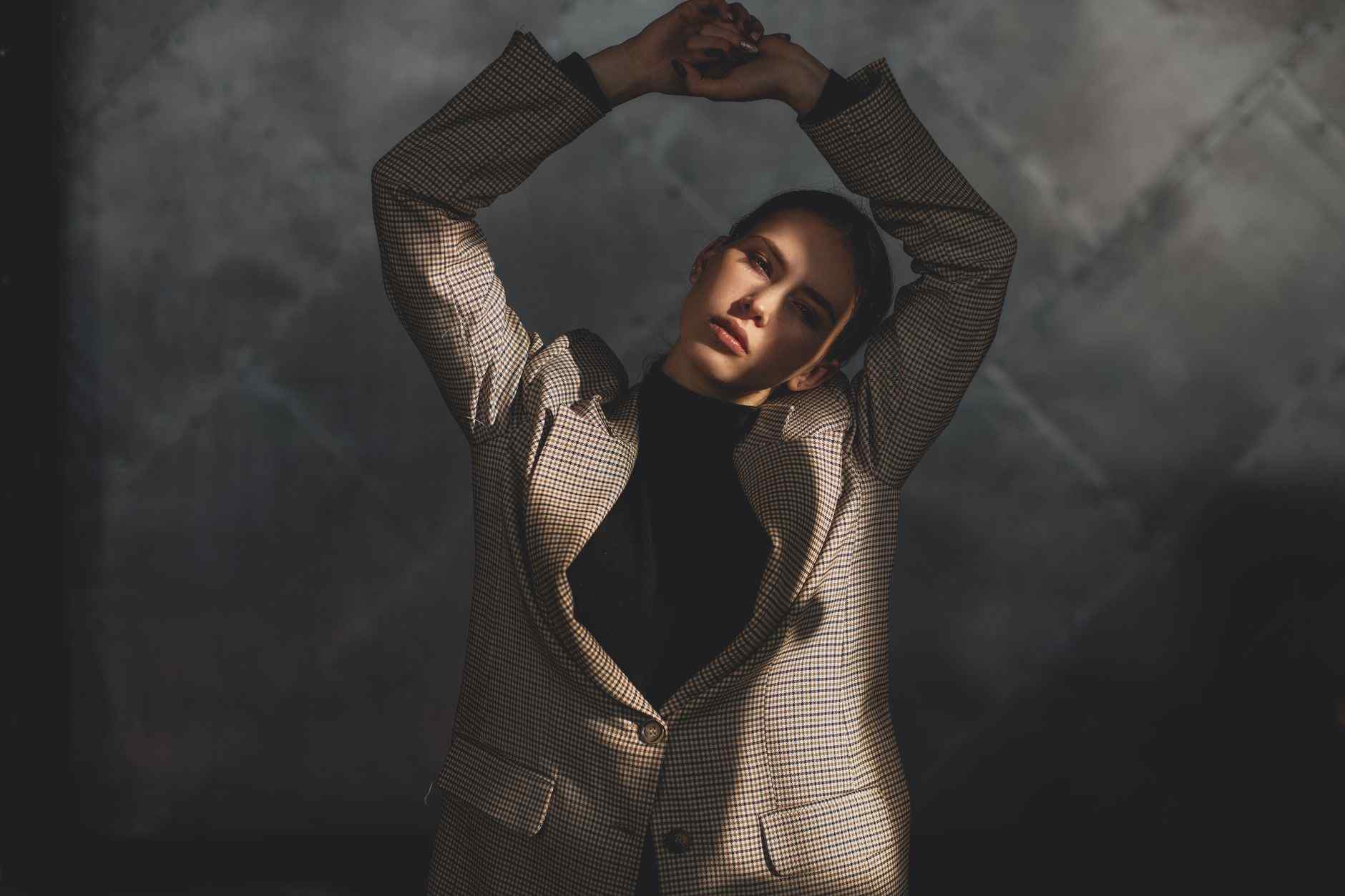
The break-even is trickier here because blazers do not get worn as often as knitwear. In a hybrid work pattern, a good blazer might get worn once a week, which is forty wears a year. At the price gap of roughly ten times, the Row needs to last more than ten times as long, or be worn more than ten times as often, for the numbers to balance. Neither is guaranteed. The Row is more likely to still be in rotation in year eight, but by year eight you may have changed jobs, changed body shape, or simply grown tired of the cut.
When to Save on Blazers
If your blazer wear is occasional rather than daily, save. If your body is still shifting because of pregnancy, weight change, or a fitness programme, save. If your work culture treats a blazer as one option among several rather than the uniform, save. The Massimo Dutti or COS blazer will hold its shape well enough for the wear you are giving it, and you can trade up when your circumstances settle.
Denim: The Category Where Luxury Is Genuinely Better
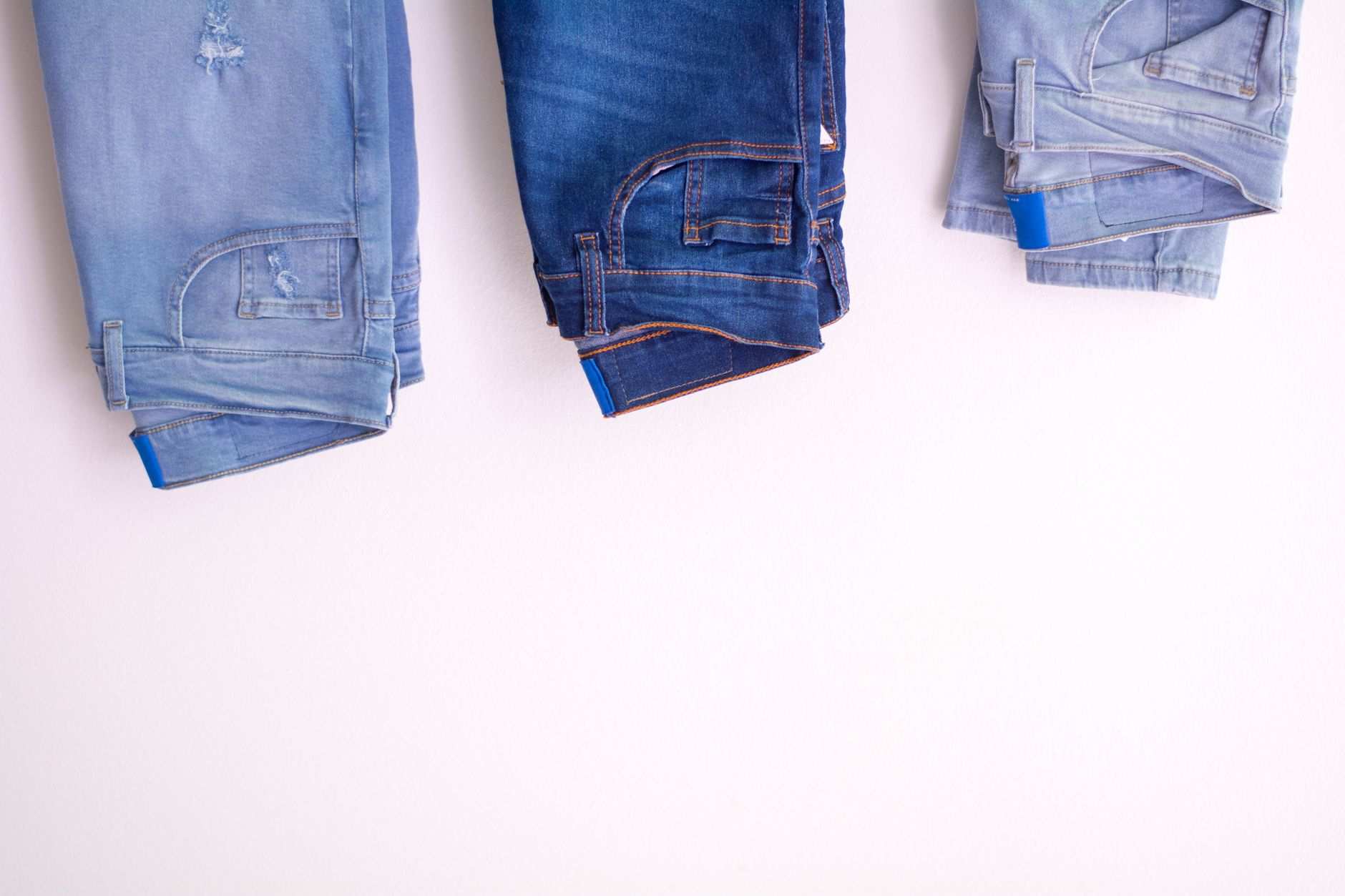
Premium denim is the sneaky winner in this whole framework. A Khaite Danielle jean at £360 costs three and a half times what a good Everlane 90s Cheeky at £98 does, but the fabric is completely different. The Khaite uses a proprietary stretch weave that holds its shape after fifty wears, the rise is precise, and the leg opening is engineered rather than approximated. The Everlane is a good jean, and for most people it is enough, but the Khaite reads and behaves like a different garment.
If you wear jeans daily, the maths favours the Khaite comfortably. Four wears a week for two years is around 400 wears. At £360 that is 90 pence per wear. The Everlane at £98 might last 150 wears before the shape softens noticeably, which is 65 pence per wear, but the difference in how the jean looks and holds together at wear 100 is substantial.
When Everlane or Levi's Wins
If you wear jeans occasionally and mostly at weekends, the Khaite is overkill. Buy the Everlane, buy two colours, wear them for eighteen months, and cycle out. Trend-driven silhouettes like a very wide leg or a barrel leg should never be bought at the luxury tier because they will date faster than the fabric wears out.
Boots: The Longest Payback Category
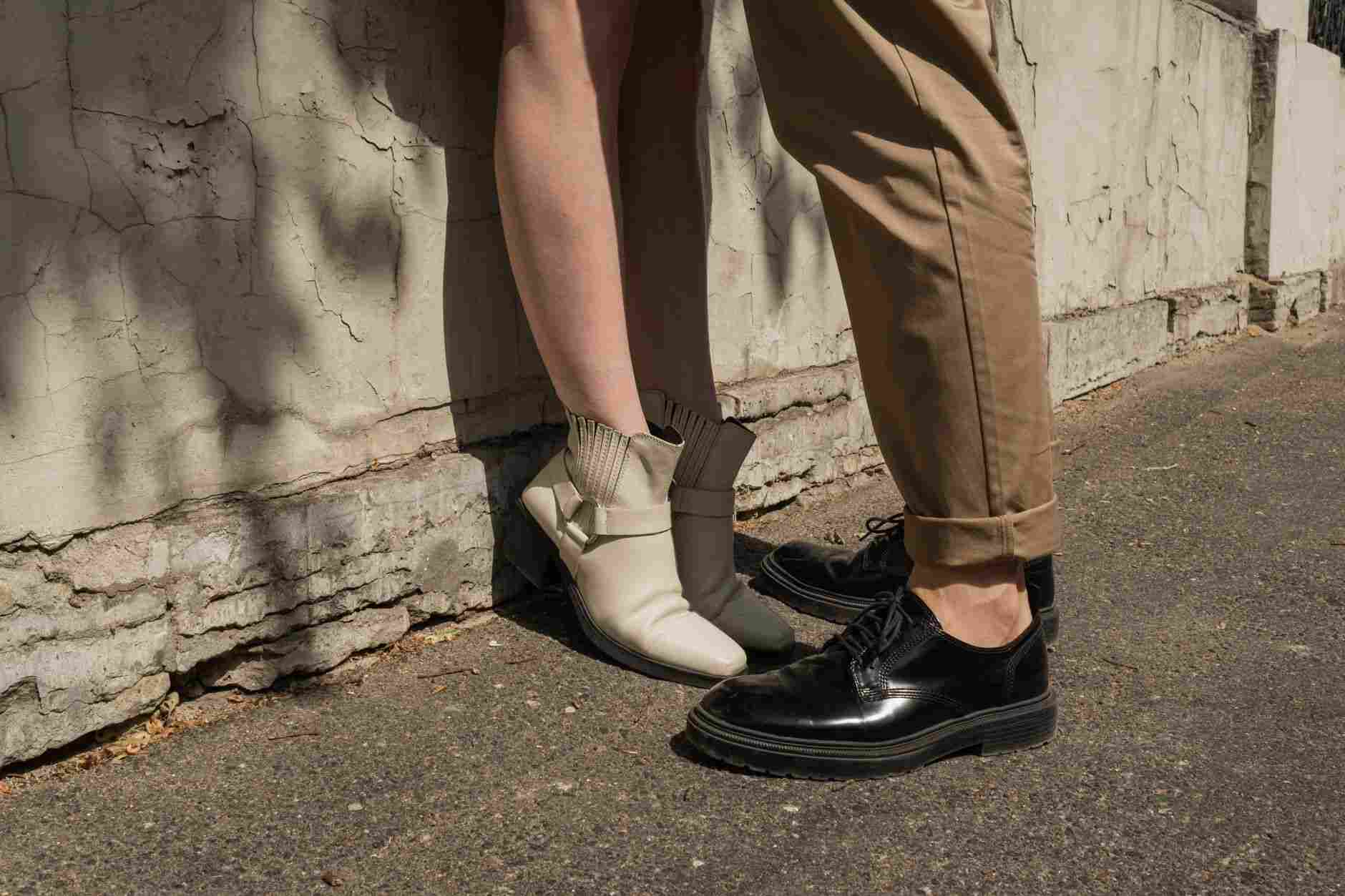
Boots are where the traditional wisdom about buying quality pays off most reliably, but only for daily wearers. A Chloé Susanna boot at £1,290 or a Church's Chelsea at £790 will last a decade with two resoles. A Vagabond or Sam Edelman at £180 will last two winters if you are careful.
The break-even is straightforward. If you wear the boot three times a week through a five-month cold season for ten years, that is 600 wears. The Chloé at £1,290 lands at £2.15 per wear. The Vagabond replaced five times over ten years lands at £1.50 per wear. Vagabond still wins on pure maths, but the Chloé is comfortable at wear 500 in a way that the fifth pair of Vagabond in year ten will not be, because you never fully break in a boot you only own for two years.
When Vagabond Wins Outright
If you live somewhere with heavy rain, salted pavements, or genuinely aggressive winter conditions, do not buy the Chloé. Salt and heavy wet destroy fine leather regardless of price. Buy the Vagabond or a serious weatherproof brand like Blundstone, treat it as consumable, and save the Chloé money for a bag or a coat.
Handbags: The Category Where the Rules Break
Handbags are the outlier in this whole framework because they do not depreciate the way clothes do. A Hermès Kelly holds or appreciates in value if kept in good condition. A Chanel Classic Flap has increased in retail price every year since 2019. This changes the maths entirely, because the piece is closer to an investment asset than a wardrobe item.
For daily wear, a Polène Numéro Un at £360 is a genuinely well made bag in vachetta leather that will last five years of daily use. The break-even against a Loewe Puzzle at £2,500 or a Bottega Cassette at £2,900 depends heavily on how you feel about the resale market. If you plan to keep and use the bag for a decade and then sell it, the luxury option often returns a meaningful percentage of its cost. If you use bags hard and let them show wear, the Polène is the smarter buy.
When Mid-Market Handbags Win
If you carry a bag daily, throw it into taxis, use it as a laptop bag, or generally treat it as a working tool, buy the Polène or the Cuyana or the APC Demi-Lune. These bags are designed to be used and to be replaced when they wear out. The luxury handbag investment case only works if you treat the bag with a level of care that most people are not honest about.
Do's and Don'ts
| Do's | Don'ts |
|---|---|
| Log cost per wear on every purchase over £150 | Don't judge a purchase by sticker price alone |
| Buy classic colours at the luxury tier | Don't invest in trend colours at Row or Khaite prices |
| Save on trend-driven silhouettes | Don't spend big on the current wide-leg or barrel jean |
| Invest in daily-wear cashmere basics | Don't buy occasion cashmere at the luxury tier |
| Choose Massimo Dutti or COS for occasional blazers | Don't spend Row money on a blazer you wear monthly |
| Buy premium denim if you wear jeans four days a week | Don't buy premium denim for a weekend-only wear pattern |
| Get boots resoled at year three instead of replacing | Don't let good leather boots go without a cobbler visit |
| Treat luxury handbags as long-term assets | Don't buy a Loewe if you throw bags around daily |
| Handwash cashmere at both tiers, not just luxury | Don't dry clean a COS jumper you plan to keep two years |
| Recalculate cost per wear at the two year mark | Don't hold onto pieces out of guilt, sell or donate honestly |
FAQs
What is the fastest way to know if a luxury piece is worth it? Ask yourself whether you will wear it at least twice a week for two years. If the answer is yes and the piece is in a classic colour and cut, the luxury version usually pays back. If either condition fails, the mid-market piece is the better maths.
Is there any category where fast fashion actively wins? Yes, for trend-driven pieces you know you will not keep. A very of-the-moment colour or silhouette from Zara or H&M at £30 to £60 is the honest answer. Wear it ten times, feel finished with it, move on. That is a healthier relationship than trying to justify a luxury version of the same trend.
How do I know when to resole boots rather than replace? If the upper leather is intact, if the shape has held, and if the boot still feels like yours on the foot, resole. A good cobbler in London or New York charges £80 to £180 for a full resole and heel replacement, versus £790 to £1,290 for a comparable new boot.
What about second hand luxury as a middle path? Excellent for handbags and outerwear, mixed for knitwear, avoid for boots. Vestiaire Collective and The RealReal both authenticate, and the Toteme or Khaite you want at 40 to 60 percent off retail is often there if you are patient. Pre-owned cashmere is riskier because you cannot know how it was washed by the previous owner.
Does Zara or H&M ever hold up to two years of wear? Very rarely for wool or cashmere, occasionally for cotton basics, and sometimes for outerwear if the construction is unusually good. Treat these tiers as one-season pieces and do not build outfits around them long term.
How do I stop myself buying luxury pieces I do not actually need? Institute a two-week wait for anything over £500. If you still want the piece after two weeks and you can name three specific occasions or outfits it will slot into, buy. If you cannot, walk away. The pieces I regret most were bought within 24 hours of first seeing them.
Is quiet luxury just a marketing story? Partly, but not entirely. The category describes a genuine shift toward unbranded, well made basics that show quality in fabric and cut rather than logo. The marketing story is that everyone needs to buy into it. The reality is that a strong wardrobe combines quiet luxury classics with mid-market pieces and occasional trend buys, and the mix is more sustainable than the pure luxury version.
What is the single best category to spend up on if I only have £500? Cashmere, without hesitation. A Toteme cashmere crewneck in oatmeal or charcoal at £460 will change how the rest of your wardrobe reads. It layers under blazers, sits over shirts, works with denim and with tailored trousers, and it will still be doing all of that in three years.
Image Tags
1. cashmere jumper folded stack neutral tones 2. wool blazer tailoring editorial shot autumn 3. premium denim flat lay indigo wash 4. leather ankle boots pair studio 5. structured handbag beige camel autumn 6. autumn wardrobe rail neutral palette 7. woman styling wool coat street style 8. luxury versus high street comparison flat lay