

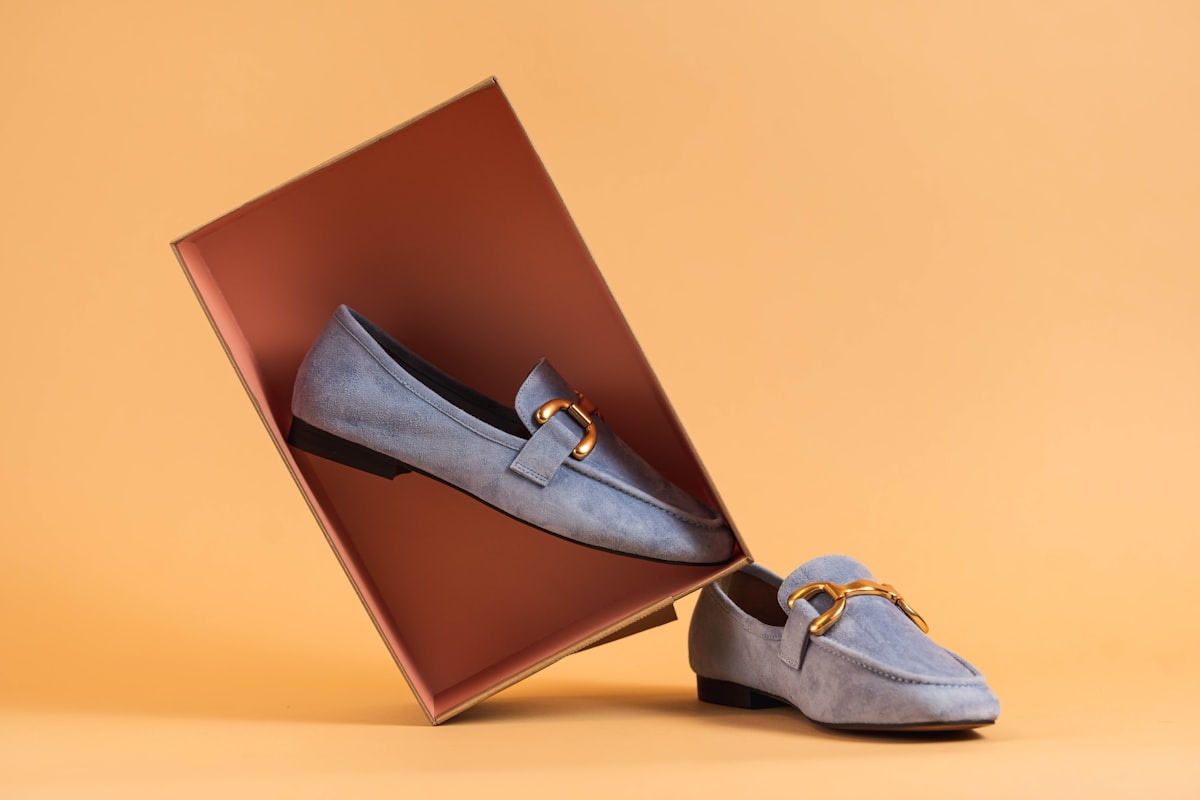
The Gucci Horsebit loafer has been fashion’s most copied shoe for over seventy years, and honestly, it deserves that crown. First introduced in 1953, the design barely changed because it never needed to, gold hardware, clean leather, a silhouette that makes everything from raw hem denim to tailored wool trousers look deliberate. At roughly $1,100 retail in 2026 (depending on material and colourway), it sits firmly in investment piece territory. The kind of shoe you either save for aggressively or stare at through the Gucci website late at night, adding it to cart and closing the tab. Both are valid experiences.
But here is what nobody at the Gucci boutique will tell you: the horsebit loafer silhouette is not proprietary. That gold bar and ring hardware, the almond toe, the low stack heel, dozens of brands have iterated on this shape for decades. The real question is whether a Gucci Horsebit loafer dupe actually holds up in hand, on foot, and after six months of real wear. So I pulled three contenders at wildly different price points, the Gucci 1953 original, the Massimo Dutti leather horsebit loafer, and the Sam Edelman Colin, and broke down exactly where your money goes (and where it does not) at each tier.
Why the Gucci 1953 Horsebit Loafer Costs What It Costs
At $1,090 to $1,150 depending on colourway, the Gucci Horsebit 1953 is not priced arbitrarily. The leather is sourced from select Italian tanneries, and the construction uses blake stitching, a method that creates a slimmer profile than standard cemented soles. Pick up the shoe and you notice weight distribution immediately; it is substantial without being heavy. The hardware is solid brass with a quality of plating that does not flake or dull after a year. Gucci also shapes the toe box with a slightly more generous cut than most competitors, which means it accommodates a wider range of foot shapes without looking bulky. The insole moulds over time to the specific contours of your foot, which is something cemented constructions at lower price points simply cannot replicate. Is that worth four figures? That depends entirely on how many wears you will get. At 200+ wears over five years, the cost per wear drops below $6, genuinely competitive with fast fashion shoes you replace every season.

Massimo Dutti: The Quiet Contender at $149-$169
Massimo Dutti does not market itself as a dupe brand, and that is part of the appeal. Sitting under the Inditex umbrella alongside Zara, it operates with a quieter, more editorial sensibility, think clean product pages, minimal branding, and leather goods that punch above their retail tag. Their horsebit loafer in calfskin leather retails around $149 to $169 USD, depending on the finish (smooth, crackled patent, or embossed). The brass toned hardware is lighter than Gucci’s, you can feel the difference if you hold them side by side, but the visual read from three feet away is nearly identical. The leather is genuine and reasonably supple out of the box, though it lacks the depth of patina that Italian tanned leather develops. Construction is cemented rather than blake stitched, so the sole profile is marginally thicker. For office wear, weekend errands, and the kind of smart casual life most of us actually live, the Massimo Dutti version delivers about 80 percent of the Gucci experience at roughly 14 percent of the price. That maths is hard to argue with.

Sam Edelman Colin: The $120 Crowd Favourite
The Sam Edelman Colin has become the default Gucci loafer alternative in fashion circles, and for good reason. At $120 to $150 full price (frequently discounted to $90-$105 at Nordstrom Rack, THE OUTNET, and Revolve sales), it is the lowest barrier to entry for the horsebit look. The Colin uses leather uppers with a padded insole and a 1.1 inch stacked heel, slightly higher than the Gucci, which gives a touch more leg line in cropped trousers. The hardware is gold toned metal, lighter in weight than both Gucci and Massimo Dutti. It comes in an enormous range of colourways, black, cognac, modern ivory, brown multi, tortoiseshell, which is where Sam Edelman really differentiates. You can own three Colins for the price of one Massimo Dutti loafer and rotate colours seasonally. The trade off: the leather is thinner, the sole shows wear faster, and the toe box runs narrow. If you are between sizes, go up a half.

The Side by Side Breakdown: What You Actually Get at Each Price
Let us be specific about where the money goes. The Gucci uses full grain calfskin with vegetable tanning. Massimo Dutti uses chrome tanned calfskin. Sam Edelman uses a thinner chrome tanned leather. In hardware, Gucci’s brass feels cool and weighty; Massimo Dutti’s is mid weight alloy with decent plating; Sam Edelman’s is the lightest, though the gold tone is convincing enough in photos. Sole construction tells the biggest story, blake stitched at Gucci means resoling is possible, extending the shoe’s life to a decade or more. Cemented soles at Massimo Dutti and Sam Edelman mean the shoe has a finite lifespan of roughly two to four years with regular wear. For anyone building an investment wardrobe on a budget, the honest answer is that one pair of Gucci outlasts three cycles of Sam Edelman, but you need the upfront capital to prove that math.

How to Style a Horsebit Loafer Without Looking Like a Finance Bro
The horsebit loafer walked straight off Wall Street menswear in the 1950s and into womenswear by the 1970s, and its styling range has only expanded since. With wide leg linen trousers and a tucked silk blouse, it reads Carolyn Bessette Kennedy quiet luxury. With straight leg jeans and a camel coat, it reads off duty editor in Milan. With a pleated midi skirt and an oversized knit, it reads weekend in the Cotswolds. The key is to keep the rest of the outfit relatively unstructured so the shoe acts as the polish point. Avoid overly matched accessories, the horsebit hardware is enough. A simple gold chain or a structured leather tote keeps the look coherent without competing for attention. If you want to look expensive without the spend, a well chosen horsebit loafer under $200 paired with thoughtful basics gets you ninety percent of the way there.

Who Should Buy the Original (and Who Should Not)
Buy the Gucci if you wear loafers at least three times a week, if you value the ritual of leather ageing and patina, and if the brand heritage genuinely matters to your sense of personal style. It is also the right call if you buy few shoes and keep them for years, the cost per wear justifies itself. Skip the Gucci if you are trend cycling, if you want multiple colours, or if loafers are a sometimes shoe for you. There is zero shame in wearing a Gucci Horsebit loafer dupe that reads identically in every photo and outfit context. Fashion editors do it constantly. The Massimo Dutti hits the sweet spot for anyone who wants real leather, decent hardware, and a brand that does not scream “dupe.” The Sam Edelman Colin is ideal for colour experimentation and anyone under 25 who is still figuring out their wardrobe DNA and does not want to commit $1,100 to a single pair of flats.

Do’s and Don’ts
| Do | Don’t |
|---|---|
| Compare hardware weight in person before buying if possible | Assume all gold toned hardware looks the same after six months |
| Size up a half in Sam Edelman Colin if you have wider feet | Buy Gucci just for the label if you will only wear them twice a month |
| Invest in cedar shoe trees for any leather loafer over $100 | Store leather loafers in their box without airflow long term |
| Check Massimo Dutti’s seasonal sale, horsebit styles drop to $99 | Pay full retail at Sam Edelman when Nordstrom Rack stocks them regularly |
| Break in leather loafers with thick socks at home for a few days | Wear brand new stiff loafers for a full day and blame the shoe |
| Use leather conditioner every 4-6 weeks on any tier | Neglect the sole edges, polish them with edge dressing |
| Try the loafer with your actual wardrobe before committing | Buy based on a styled product photo alone |
| Consider resale Gucci on The RealReal at 40-60% off retail | Assume pre owned means damaged, most are barely worn |
| Match the hardware tone to your other accessories loosely | Mix silver jewellery with gold horsebit hardware in the same outfit |
| Walk on carpet or soft ground for the first few wears | Scuff new leather soles on concrete immediately |
FAQs
Is the Sam Edelman Colin a direct copy of the Gucci Horsebit loafer? Not exactly. While the Colin borrows the general horsebit hardware motif, the bar and ring detail across the vamp, it has a slightly different toe shape (more rounded) and a higher heel stack at 1.1 inches compared to Gucci’s flatter profile. The proportions are close enough that in an outfit photo they read similarly, but side by side the differences in hardware weight, leather grade, and construction are noticeable. It is inspired by, not a replica of, the Gucci original.

How long does the Massimo Dutti horsebit loafer last with regular wear? With three to four wears per week and proper care (shoe trees, leather conditioner, rotating with another pair), you can expect two to three years before the sole shows significant wear. The cemented construction means resoling is not practical, so once the sole goes, the shoe’s lifespan is essentially over. For occasional wear, once or twice a week, you could stretch that to four years comfortably.
Can a cobbler resole the Gucci 1953 Horsebit loafer? Yes, and this is one of the strongest arguments for the investment. Because Gucci uses blake stitching, a skilled cobbler can replace the sole entirely, effectively giving you a new shoe on the original upper. Expect to pay $80 to $150 for a quality resole depending on your city. Many Gucci owners get two or three resoles over a decade, making the long term cost per year surprisingly reasonable.
What is the best Gucci Horsebit loafer dupe under $100? The Sam Edelman Colin during sale season is the strongest contender, it frequently drops to $90-$105 at outlets like THE OUTNET and Revolve. Another option worth checking is the Quince Italian Leather Horsebit Loafer at $70, which uses genuine Italian leather and has built a following for its comfort straight out of the box. Both offer the visual signature without requiring a three figure commitment at full price.
Are Massimo Dutti loafers true to size? Generally yes, though the brand tends to run slightly narrow in their loafer lasts. If you are between sizes or have a wider foot, size up by half. Their leather does soften with wear, so a snug fit on day one typically becomes comfortable by week two. Check their size guide against your actual foot measurement rather than relying on your usual EU or US size across brands.
Is it worth buying pre owned Gucci Horsebit loafers? Absolutely, and this is one of the smartest moves in the dupe conversation. The RealReal, Vestiaire Collective, and Rebag consistently stock authenticated Gucci Horsebit loafers at 40 to 60 percent below retail. Because the design has not changed meaningfully since 1953, even a pair from five years ago looks current. Check for sole wear, hardware condition, and whether the insole still has cushion, those three factors determine whether a pre owned pair has real life left in it.
Does the Sam Edelman Colin come in wide width? Sam Edelman does not currently offer the Colin in a dedicated wide width. The shoe runs narrow, particularly across the toe box, which is the most common complaint in customer reviews. If you need width, the Sam Edelman Loraine (their horsebit bit loafer, priced similarly at around $150) has a slightly more generous cut. Alternatively, sizing up by half and using a thin insole can help compensate.
Conclusion
The Gucci Horsebit loafer is a genuinely great shoe, seventy plus years of design validation does not lie. But the best Gucci Horsebit loafer dupe for you depends on where you are in your wardrobe journey and how you actually live in your shoes. Massimo Dutti wins the middle ground with real leather and restrained branding at $149-$169. Sam Edelman Colin wins on accessibility and colour range at $120 (often less on sale). And the original wins on longevity, craftsmanship, and the quiet confidence of knowing what is on your feet. Whichever tier you choose, the horsebit loafer remains one of fashion’s most reliably chic silhouettes, and that has nothing to do with the price tag.