

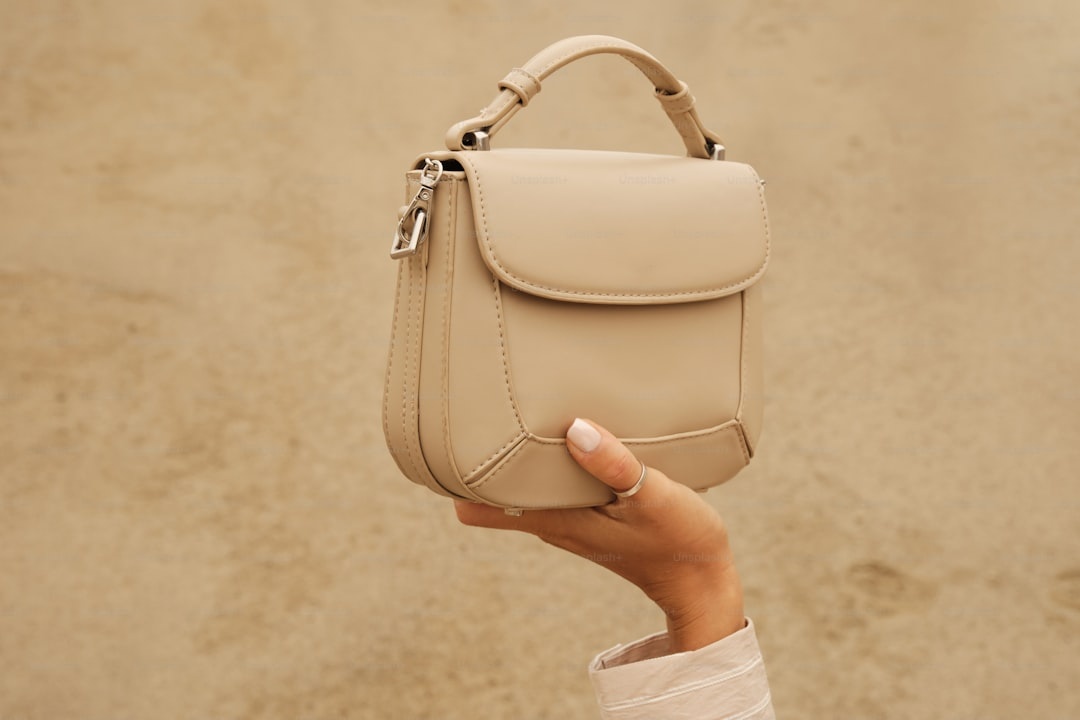
There’s a very specific sound a fashion comeback makes, and right now it sounds like a Coach Tabby turnlock snapping shut on a TikTok B-roll. Five years ago, if you’d told a luxury buyer in Milan that the Coach Tabby Gen Z takeover would become one of the most studied brand turnarounds of the decade, they would have politely choked on their espresso. Coach, to that crowd, meant outlet malls, logo coin purses, and the kind of gifting-your-aunt energy that sits somewhere between nostalgic and slightly embarrassing. And yet here we are in 2026, watching Coach post a 10% jump in Q2 sales to $1.7 billion, with more than two-thirds of its nearly 900,000 new North American customers coming from Gen Z and millennials. That is not a blip. That is a rewrite.
The person with his fingerprints all over it is Stuart Vevers, the British creative director who joined Coach in 2013 after stints running Mulberry and Loewe. Twelve years in, Vevers has done something almost nobody in mid-luxury pulls off — he made a legacy American leather house feel genuinely young without hollowing it out. The Tabby, the Pillow Tabby, the cherry charms, the book charms, the Explore Your Story campaign — every beat has landed with a generation that is supposedly impossible to sell handbags to. So the question every BoF reader is asking now is uncomfortably simple. Coach won Gen Z. What does Vevers do for an encore?
The Tabby Wasn’t an Accident — It Was a Callback
The Tabby didn’t arrive out of nowhere. Vevers pulled it out of Coach’s own archive, reworking a 1970s shoulder bag with a brass turnlock closure that spelled out the Coach name. That detail matters because Gen Z’s entire relationship with luxury is built on “vintage-coded, not vintage-priced.” The Tabby looked old in the right way — pre-loved, lived-in, slightly clunky — while being new enough to buy in a mall. Today the core Tabby 26 sits at around $450 to $495, the Tabby 20 starts lower in the mid-$300s, and the tiny Tabby 12 exists almost purely as a micro-bag joke for people who know the reference. That pricing architecture is the whole game. It sits just below the Polène, Demellier, Wandler tier and dramatically under Bottega or Loewe, which means a 23-year-old can actually own one without a co-sign from her parents.

The Pillow Tabby Was the TikTok Detonator
If the original Tabby was the spark, the Pillow Tabby was the flamethrower. Vevers launched the quilted, marshmallow-soft version during the pandemic — a bag designed, as he put it, to say “hold me” — and it detonated on TikTok almost immediately. The puffy silhouette photographed like candy, the Nappa leather bruised beautifully, and the price (currently around $550 for the Pillow Tabby Shoulder 20) kept it squarely in aspirational-but-achievable territory. By Q4 2024 the Tabby was Lyst’s hottest fashion product globally and Coach search demand on the platform was up 332% year over year. This is where the Coach resurgence stopped being a cute story and started being a case study every luxury CFO prints out for their Monday meetings. Bloomberg was covering Coach outlet hauls. CNBC was running “How Coach got its cool back” explainers. The whisper turned into a scream.

Explore Your Story — The Campaign That Codified It
In February 2026, Vevers formalized all of this with the Explore Your Story campaign, launched alongside Coach’s Spring 2026 collection and debuted around the Fall 2026 show at the Cunard Building in downtown New York. The concept was clever precisely because it didn’t pander. Instead of another celebrity-stack campaign, Coach leaned into the fact that Gen Z is quietly reviving long-form reading — BookTok, the Lit Girl aesthetic, annotated Penguin Classics on the subway. Vevers dropped twelve miniature, actually-readable book charms that clip onto your Tabby: Austen’s Sense and Sensibility, Maya Angelou’s I Know Why the Caged Bird Sings, Jandy Nelson’s I’ll Give You the Sun. The campaign cast leaned into the same mix of aspirational and accessible — Elle Fanning returning as global ambassador, Storm Reid, WNBA Rookie of the Year Paige Bueckers, Chinese singer Shan Yichun. It is the Explore Your Story campaign doing exactly what the cherry-charm moment did a year earlier: turn the bag into a base, and let Gen Z customize it into a personality.

Why Mid-Luxury Is Having the Loudest Moment in Fashion
Zoom out and Coach is part of a bigger shift. Heritage megabrands spent 2023 and 2024 pricing themselves into a corner — Chanel flaps past $10,000, a Birkin that requires a Vatican-level relationship with your SA, Louis Vuitton price bumps every six months. Gen Z watched, did the math, and walked. What they walked into was mid-luxury: Coach, Polène, Longchamp’s rebooted Le Pliage Xtra, Marc Jacobs’ Tote bag, Miu Miu’s Arcadie. Coach’s advantage in that lineup is that it has actual scale, actual leather goods heritage, and a creative director who understands internet culture without chasing it. The Tabby is the de facto ambassador bag for the entire “I want luxury vibes at sane money” movement. That is a category Coach didn’t just enter — it built the house the category lives in.

So What Does Stuart Vevers Actually Do Next?
Here’s the hard part. Every brand that wins a generation faces the same trap: the minute the customer stops feeling clever for buying you, the magic is gone. Coach is currently one viral misstep away from feeling played-out, and Vevers knows it. Watch the signals. The Fall 2026 show leaned harder into ready-to-wear with sharper tailoring and a more grown-up palette — a clear hedge against being trapped in puffy-leather-cuteness forever. The accessories pipeline is moving from cherries to books to what insiders are whispering will be a ceramics-and-hardware collaboration by late 2026. And Coach has started very quietly raising entry pricing on non-core styles, which is the polite industry way of saying “we’d like to be thought of as luxury now, please.” If Vevers can pull the brand up a notch without losing the 23-year-old who bought her first Tabby on a student budget, he will have done something LVMH has been failing at for two years.

Do’s and Don’ts — Reading the Coach Moment Like an Editor
| Do | Don’t |
|---|---|
| Buy the Tabby 26 if you want the version fashion editors actually carry | Don’t assume the Tabby 12 is a serious bag — it’s a styling prop |
| Treat the Pillow Tabby as a statement piece, not a daily workhorse | Don’t baby the Nappa leather — patina is part of the look |
| Watch Stuart Vevers’ runway shows for the real Coach direction | Don’t judge Coach by its outlet stores anymore |
| Consider a charm (book, cherry, hardware) as the cheapest way to refresh the bag | Don’t stack more than two charms — it starts looking cluttered |
| Shop seasonal colors like Flower Pink or Honey Brown before they vanish | Don’t buy logo-heavy older Coach styles expecting resale value |
| Pair the Tabby with tailoring to push it into “grown-up luxury” territory | Don’t overpay on resale — Coach restocks core Tabbys consistently |
| Follow BoF and Lyst for real Gen Z demand data, not influencer hype | Don’t mistake virality for longevity — some charms age in months |
| Use the Explore Your Story charms as personalization, not collecting | Don’t chase every drop — Coach releases a lot |
| Compare Coach pricing against Polène and Demellier before buying | Don’t ignore the Tabby 20 — it’s the most wearable size |
| Think of Coach as the mid-luxury benchmark, not a backup plan | Don’t call it “basic Coach” — that conversation ended in 2023 |

FAQs
Why did the Coach Tabby Gen Z takeover actually happen? It was a perfect storm. Stuart Vevers dug a 1970s silhouette out of the Coach archive at exactly the moment Gen Z started rejecting logo-heavy megabrands and chasing vintage-coded, mid-priced leather goods. The Tabby looked old in the right way, cost under $500, and photographed beautifully on TikTok. Add the Pillow Tabby quilted variant in 2021, a cherry-charm viral moment, and Coach’s willingness to cast Paige Bueckers and Storm Reid instead of legacy stars, and you get a brand that feels made for the For You Page without obviously trying.
Who is Stuart Vevers and why does he matter? Vevers is a British designer who worked at Calvin Klein, Bottega Veneta, Givenchy and Louis Vuitton before running Mulberry (2005–2007) and Loewe (2007–2013). He joined Coach as executive creative director in 2013 and has spent twelve years modernizing the handbag line, introducing ready-to-wear and runway shows, and slowly convincing the fashion press that Coach deserved to be taken seriously as a creative house, not just a commercial one.
What is the Explore Your Story campaign? It’s Coach’s Spring 2026 campaign, launched in February 2026, built around the idea that Gen Z is quietly rediscovering books and long-form storytelling. Vevers introduced twelve miniature readable book charms — including titles by Jane Austen, Maya Angelou and Jandy Nelson — that clip onto the Tabby. The campaign cast includes Elle Fanning, Storm Reid, Paige Bueckers and Shan Yichun. Think of it as the cherry-charm strategy leveled up.
Is the Pillow Tabby worth the price? At around $550 for the Pillow Tabby Shoulder 20, it sits at the top of Coach’s core Tabby pricing but well under comparable Bottega or Loewe pieces. The Nappa leather is genuinely soft, the quilting ages into a nice patina, and it remains one of the most recognizable bags of the last five years. If you want a statement piece that photographs well and isn’t trying to scream luxury, yes — it earns its shelf space.
How is Coach different from other mid-luxury brands like Polène or Demellier? Polène and Demellier are younger, tighter, more minimalist — they play in the $400–$700 space with a quieter aesthetic. Coach has heritage, scale, a real creative director, and a runway, which gives it narrative weight those brands don’t have yet. The Coach resurgence is fundamentally a story about a legacy house reinventing itself, which is a different business than a DTC newcomer scaling up.
Will Coach prices keep climbing? Almost certainly, at least on non-core styles. Coach has already nudged runway and special-edition pricing upward and is clearly hedging toward being perceived as luxury rather than accessible luxury. Expect the Tabby 26 to stay in the mid-$400s for now as the anchor, while newer, more design-led pieces push into $700–$1,000 territory.
What should I actually buy if I want one Coach piece? For most people, the Tabby 26 in a classic color — black, honey brown, or the current Flower Pink — is the right answer. It’s the size fashion editors actually carry, it works crossbody and on the shoulder, and it’s the bag that defined the Coach Tabby Gen Z moment. Skip the micro sizes unless you already own the core bag.
Is the Coach resurgence going to last? Short answer: yes, if Vevers plays it right. The Coach resurgence has moved past viral-moment territory into structural demand, with repeat Gen Z customers and consistent growth. The risk isn’t a crash — it’s stagnation. If Coach can push creatively without alienating its new base, this is a five-to-ten-year run, not a TikTok cycle.

Conclusion
The Coach Tabby Gen Z story isn’t really about one bag. It’s about a creative director who understood that mid-luxury was about to be the loudest room in fashion and built a brand ready to walk into it. What Vevers does next — how he ages the customer up without losing her, how he turns book charms into a real design language, how he pushes Coach’s ready-to-wear into grown-up territory — is the most interesting open question in fashion right now. Keep one eye on the runway and one on your Tabby. For more mid-luxury reading, see our guides on Luxury vs Budget Fashion and How to Look Expensive on a Budget.