

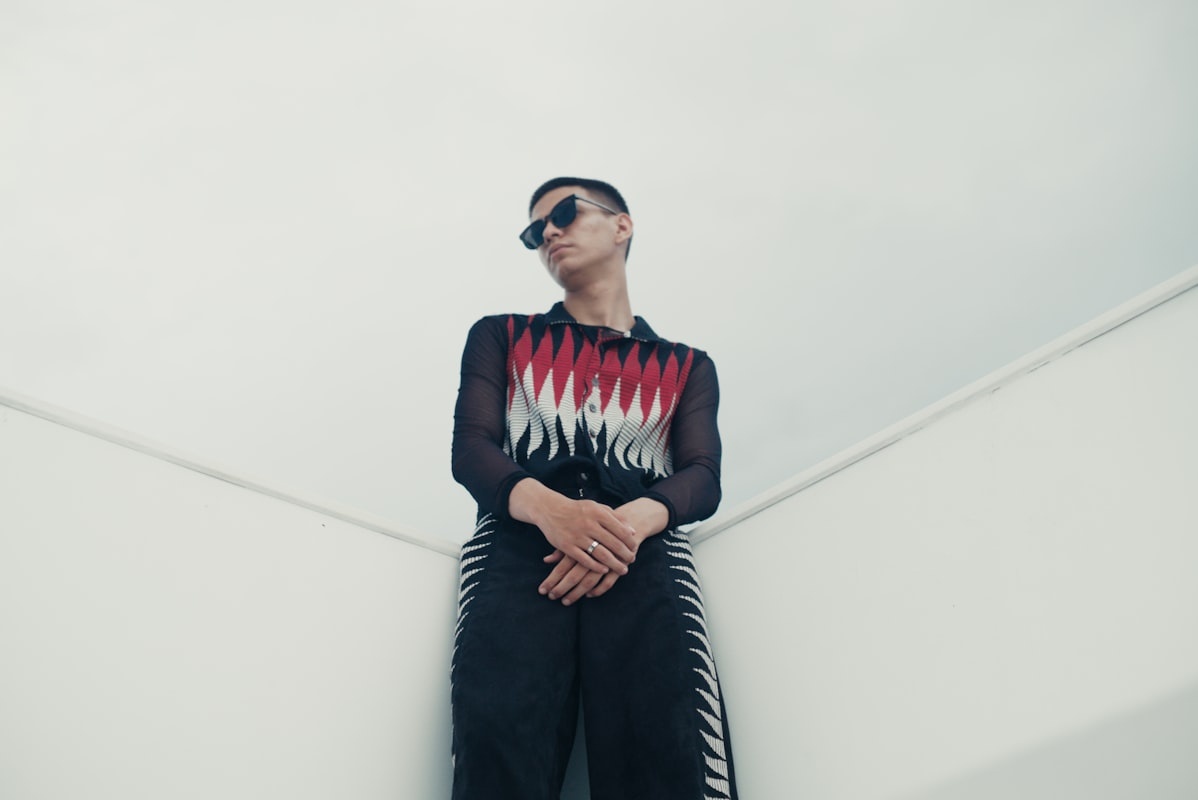
The Loewe new creative director announcement in spring 2025 was the kind of news that made the group chat explode before the press release even finished loading. Jonathan Anderson, the Northern Irish wunderkind who spent eleven years turning a quiet Spanish leather house into the loudest name in LVMH’s portfolio, was out. In his place: Jack McCollough and Lazaro Hernandez, the Parsons classmates who built Proenza Schouler into New York’s most quietly influential ready to wear label since Helmut Lang packed up. Two Americans. One Spanish heritage house founded in 1846. A Madrid atelier full of artisans who can hand stitch a Puzzle bag in their sleep. Everyone had opinions, and most of them were wrong.
Because here’s the thing about watching a creative director transition at a house like Loewe, the announcement is almost never the story. The story is what gets kept, what gets retired, and what gets reinvented in the first six months. Anderson left behind a very specific vocabulary: surrealist heels shaped like roses, tomato stem clutches, that viral trompe l’oeil denim, the whole “art school professor who somehow also dresses Zendaya” energy. McCollough and Hernandez do not speak that language. They speak a different one, breezier, more utilitarian, deeply Tribeca, and the SS26 debut at Paris Fashion Week was the first time anyone got to hear the accent. If you care about where luxury is heading in 2026, this is the transition to watch, and this is what actually changed.
Who Jack McCollough and Lazaro Hernandez Actually Are
Before the Loewe post Anderson era, McCollough and Hernandez were the guys who sold their entire Parsons senior thesis collection to Barneys New York in 2002, a story so fashion folklore at this point that it gets retold every September. They named the brand Proenza Schouler after their mothers’ maiden names and spent the next twenty three years building a label that the CFDA kept giving awards to and stylists kept putting on Michelle Obama, Chloe Sevigny, and basically every downtown woman with a Soho loft. Their aesthetic was never loud. It was the PS1 satchel with the fold over flap, the bias cut slip dress you could wear to a gallery opening, the boxy wool coat that looked like it cost three times what it actually did. Sharp, American, grown up, slightly intellectual. If Anderson’s Loewe was a Spanish surrealist painting, Proenza was a Donald Judd sculpture in a loft with good light.

Why LVMH Made the Call
When Anderson announced his exit in early 2025, he went to Dior Men, if you missed it, the shortlist of replacements read like a fantasy football draft. Instead, LVMH and Loewe CEO Pascale Lepoivre went with the duo who had never run a house this big, never worked under a conglomerate’s quarterly pressure, and had just stepped away from their own label in January 2025 to take the job. The logic, if you squint, makes sense. Loewe doesn’t need another conceptual genius right now, it needs someone who can translate Anderson’s cultural heat into consistent, sellable, everyday luxury. McCollough and Hernandez have spent two decades doing exactly that at Proenza, where “wearable” was never a dirty word. They are the Loewe new creative director pick for a house that wants to stop being a cult and start being a business.

The SS26 Debut: What Actually Walked
The Loewe SS26 show at Paris Fashion Week in October 2025 was the duo’s first full womenswear collection, and the reviews, WWD, W, Dazed, Who What Wear, landed somewhere between “relieved” and “surprised.” The palette was sunny and saturated: butter yellow, tomato red, washed denim, chalky pastels. There were logo embellished V neck sweaters layered over half buttoned poplin shirts with loafers, in a way one reviewer called “very after school” and meant as a compliment. The house’s heritage showed up as fringe trims, molded leather bodices, and a new Loewe towel dress shown in multiple iterations, a literal beach towel reworked into ready to wear, which is about the most Tribeca meets Madrid move imaginable. Critic Julie Gilhart, who bought the duo’s first Proenza collection in 2002, called it a “perfect 10.” The standing ovation, by all accounts, was not polite.

What’s Staying: The Bags That Built the House
Here is the question every Loewe customer actually wanted answered: do the bags change? The short answer is no, not yet, and probably not dramatically. The Puzzle bag, Anderson’s 2015 breakout design, the one that turned Loewe from a quiet leather house into a global obsession, is still front and center on loewe.com, with the small Featherlight Puzzle in nappa lambskin sitting at $4,800 and the mini at $3,850. The Flamenco clutch, which predates Anderson entirely and goes back to the house’s 1970s archive, still anchors the accessories wall at roughly $2,600 for the mini and $3,990 for the larger sizes. The Hammock, another Anderson era hit, remains in production, the compact version sits around $3,250, the Hammock Flip at $3,950. McCollough and Hernandez are smart enough not to kill the cash cows in year one. Expect evolution on hardware and colorways, not discontinuation.

What’s Quietly Getting Retired
What’s going away is harder to pin down but easy to feel. The surreal, high concept flourishes, the heels shaped like bars of soap, the tromp l’oeil t shirts, the runway props that looked like they were borrowed from a Venice Biennale installation, those were Anderson’s signature, and they’re not in the new vocabulary. SS26 had no gimmicks. The clothes stood on their own, which sounds like faint praise until you remember how many Anderson era pieces only made sense in the context of the show. Expect fewer viral “did you see this?” moments and more pieces you actually pull off the rail at Dover Street Market. That’s a trade some people will mourn and others will quietly celebrate while placing an order. For a broader read on how houses reset post icon, our luxury vs budget investment guide breaks down what actually holds value when creative direction changes.

What It Means for the Rest of Loewe Post Anderson
The real stakes go beyond the runway. Anderson turned Loewe into a $2 billion plus house built on cultural relevance, the Rihanna campaigns, the Paddington collab, the Squid Game moment. McCollough and Hernandez now inherit that machine and have to keep it humming without copying the previous sound. Early signs suggest they’ll lean into wearability, repeatable silhouettes, and the kind of customer who wants Loewe craftsmanship without the inside joke factor. If that sounds less exciting than Anderson’s pyrotechnics, remember that Proenza Schouler Loewe is, at its core, a business decision, and businesses this size need designers who can deliver four collections a year without creative burnout.

Do’s and Don’ts
| Do | Don’t |
|---|---|
| Buy the Puzzle or Flamenco now if you’ve been waiting, they’re not going anywhere | Assume the entire Anderson era archive is about to get discounted |
| Watch the pre fall 2026 drop for the first real commercial test of the duo | Write off SS26 as “too safe” before you’ve seen the clothes in person |
| Look at Proenza Schouler’s back catalogue to understand their vocabulary | Expect trompe l’oeil surrealism or viral prop moments |
| Invest in the leather goods, still the house’s strongest category | Panic sell your Anderson era pieces on resale, values will hold |
| Follow the accessories team for subtle hardware changes | Confuse “approachable” with “boring” until FW26 lands |
| Read the full WWD and Dazed SS26 reviews for context | Rely only on Instagram carousel reactions |
| Track the Madrid atelier coverage, craftsmanship is the continuity story | Assume McCollough and Hernandez will abandon New York references |
| Compare SS26 to Proenza’s Spring 2024 minimalism show | Compare SS26 directly to Anderson’s greatest hits, it’s a different brief |
| Save your splurge for the towel dress if it makes production | Buy into every “end of an era” take, houses reset constantly |
| Keep an eye on the next campaign imagery for the new visual language | Expect everything to change at once; year one is always a transition |
FAQs
Who is the Loewe new creative director after Jonathan Anderson? Jack McCollough and Lazaro Hernandez, the American duo who founded Proenza Schouler in 2002, were named co creative directors of Loewe in spring 2025. They officially took over in April 2025 and are responsible for all collections, womenswear, menswear, leather goods, and accessories. They remain minority shareholders and board members at Proenza Schouler but no longer design for that label.

When did Jonathan Anderson actually leave Loewe? Anderson exited in early 2025 after eleven years as creative director, during which he transformed Loewe from a quiet heritage house into one of LVMH’s biggest cultural engines. He moved to Dior Men shortly after, making his own debut at Paris Fashion Week later in the year. His final Loewe collection was the FW25 show in March 2025.
What was the Loewe SS26 debut collection like? The SS26 collection, shown at Paris Fashion Week in October 2025, was tactile, sunny, and considerably more wearable than late Anderson Loewe. The palette ran from butter yellow to tomato red to washed pastel. Standout pieces included a new Loewe towel dress, logo embellished V neck sweaters layered over poplin shirts, and intricately worked leather bodices that nodded to the house’s Madrid atelier roots. Reviews were strongly positive.
Are the Puzzle, Flamenco, and Hammock bags getting discontinued? No. All three remain in active production and are prominently featured on loewe.com as of 2026. The small Featherlight Puzzle retails around $4,800, the Flamenco mini clutch around $2,600, and the compact Hammock around $3,250. McCollough and Hernandez are expected to introduce new hardware, materials, and colorways over time rather than retire the core leather goods archive.
What makes McCollough and Hernandez different from Anderson stylistically? Anderson came from a conceptual, surrealist, art school professor school of design, his Loewe was full of references to sculpture, craft, and subversion. McCollough and Hernandez come from a New York minimalist tradition built on utility, clean tailoring, and sophisticated everyday dressing. Think Helmut Lang and Calvin Klein Collection rather than Comme des Garçons or Martin Margiela. The shift is from conceptual spectacle to wearable craft.
Is the Proenza Schouler brand still running? Yes, Proenza Schouler still exists as an independent company in New York. McCollough and Hernandez stepped away from designing for it in January 2025 to prepare for Loewe, but they remain minority shareholders and sit on the board. The house is continuing with a new design team, though at the time of writing the long term creative direction of Proenza Schouler has not been publicly announced.
Should I invest in Loewe pieces now or wait? For the heritage bags, Puzzle, Flamenco, Hammock, there’s no reason to wait. They’re not changing dramatically in the short term, and the craftsmanship that drives their resale value is being preserved. For ready to wear, the SS26 drop is worth watching in person before you commit, especially since the first pre fall and FW26 collections will give a clearer read on what the duo’s everyday Loewe actually looks like on the sales floor.
Where can I see the Loewe SS26 collection in full? The full SS26 runway video and lookbook are on loewe.com under the Stories section, and WWD, Dazed, W Magazine, and Who What Wear all published detailed reviews with runway photography. Paris based retailers and flagship Loewe boutiques in New York, London, and Madrid began stocking the collection in early 2026.
Conclusion
The Loewe new creative director transition is the most consequential house shake up of the year, and McCollough and Hernandez’s SS26 debut suggests the Proenza Schouler Loewe era will be quieter, more wearable, and more commercially sharp than Anderson’s. That’s not a downgrade, it’s a reset. If you’ve been circling a Puzzle or a Flamenco, now is a perfectly reasonable time. If you care about where luxury is heading, keep your eyes on Madrid.